Home-Grown Remedies for Bee Stings

The friendly honeybees at Better Farm.
By Allison Bachner

They say "Don’t throw stones if you live in a glass house." Well, perhaps I would recommend "Don’t throw swats if you live in a temple of the bees." One of the many benefits of having an organic farm that doesn’t use harmful pesticides and is surrounded by fields of wild and native plants is a healthy population of bees that help preserve these natural habitats. Bees are absolutely essential to healthy production on a farm. However, not all bees are created equal; and the wasp nest that sprang up at our farmstand was filled with nasty bugs hungry for an easy shot. I was stung under my left eye.


After the initial, painful confusion, my eye was swollen shut to the likes of Popeye the Sailor Man. Thankfully, Better Farm cultivates a number of suggested natural treatments; including honey, garlic, onions, basil, and parsley, to alleviate the symptoms of bee stings. Unfortunately for me, stings near eyes and mouths tend to last for at least three days of varying severity depending on treatment.

After removing the stinger and washing the sting site, you can try these homeopathic remedies to help reduce pain, itching and swelling:
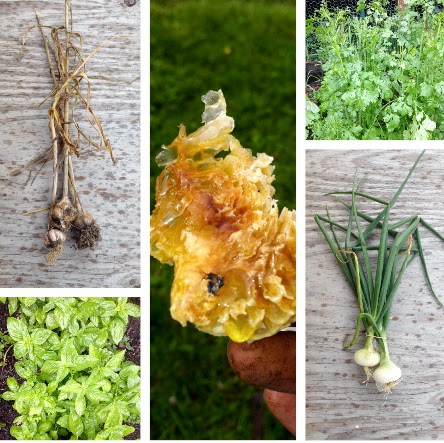
-Honey- Apply honey on the affected site
-Garlic- Apply crushed garlic to the sting site, cover and let it sit for a half hour
-Onion- Cut an onion slice and press on sting site
-Basil- Apply crushed basil to sting to help alleviate pain and swelling
-Parley- Apply crushed parsley
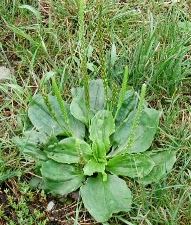
-Plantain- This common weed’s leaves can be crushed up and the juice applied to sting site as an antibacterial and anti-inflammatory (image below)
Along with the remedies found in your garden, these household items also help:

-Ice- Applying ice both helps numb pain and reduce the swelling significantly
-Vinegar- Application of vinegar to affected site can help draw out the sting’s venom
-Baking Soda- Applying a paste of baking soda and water can help neutralize the sting venom

Comment

Nicole Caldwell

Nicole Caldwell is a self-taught environmentalist, green-living savant and sustainability educator with more than a decade of professional writing experience. She is also the co-founder of Better Farm and president of betterArts. Nicole’s work has been featured in Mother Earth News, Reader’s Digest, Time Out New York, and many other publications. Her first book, Better: The Everyday Art of Sustainable Living, is due out this July through New Society Publishers.

New Partnership Brings Fresh Produce to Redwood Food Pantry

The belles of Better Farm transport Redwood's Community Greenhouse to its new home.
A new partnership has turned the Redwood Community Greenhouse into a produce operation that will supply fresh greens and veggies to the Redwood Food Pantry.

Local organizations Hearts for Youth, Redwood Neighborhood Association, and Better Farm have teamed up to provide volunteer hours that will cultivate fresh, organic produce earmarked specifically for use by the Redwood Food Pantry in order to provide local residents with healthy, local food.
Redwood Community Greenhouse.
To that end, the Community Greenhouse has been relocated to Better Farm in order to receive the round-the-clock attention and watering a summer greenhouse requires; while also taking advantage of the extended growing season a greenhouse can provide. In the greenhouse's former home along Route 37 in downtown Redwood, raised beds have been constructed for public use. Now a community garden, it is the hope of these partnered organizations that people within the hamlet who do not have access to a garden will take advantage of the Redwood Community Garden to grow veggies from corn to broccoli.
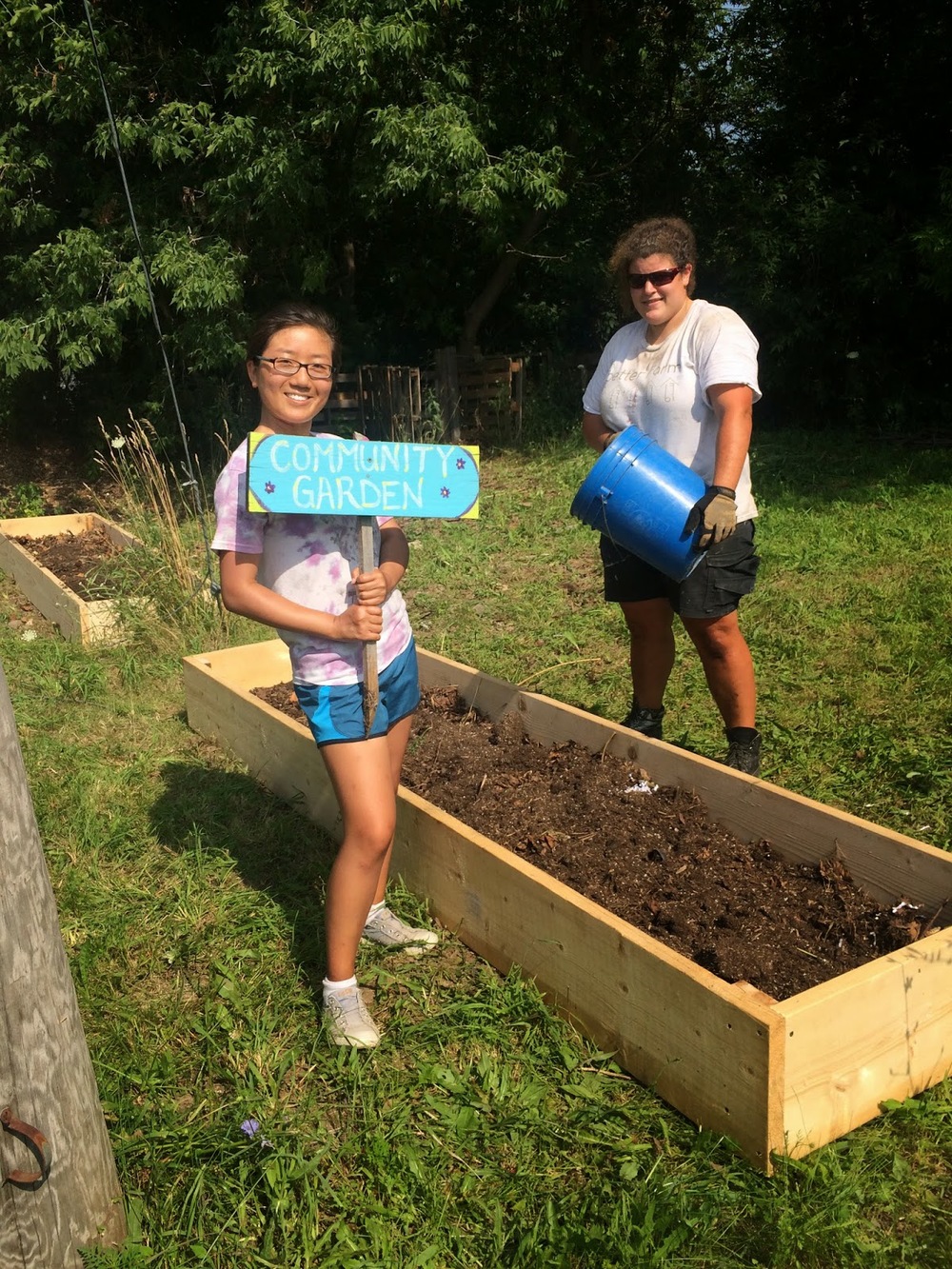
Xuan Du and Kathryn Mollica fill raised beds in Redwood's Community Garden.
For more information or to volunteer at the greenhouse or community garden, call (315) 482-2536 or email info@betterfarm.org.
Comment

Nicole Caldwell

Nicole Caldwell is a self-taught environmentalist, green-living savant and sustainability educator with more than a decade of professional writing experience. She is also the co-founder of Better Farm and president of betterArts. Nicole’s work has been featured in Mother Earth News, Reader’s Digest, Time Out New York, and many other publications. Her first book, Better: The Everyday Art of Sustainable Living, is due out this July through New Society Publishers.

BetterArts Partners with Macomb Historical Association for Old Home Days

BetterArts is partnering with the Macomb Historical Association for Macomb Old Home Days this Saturday, Aug. 9, at the Macomb Historical Society Building in Hammond.

This year's event  additionally marks the 50th anniversary of the Macomb Historical Association.

Bill Berry, president of the Macomb Historical Association, says the event is a chance for people to get together to share their stories and memories of the community (see his interview with 7 News This Morning here).

There will be museum and cemetery tours, a chicken barbecue, a cake walk, old-fashioned games for kids, and a band from 8 to 11 p.m.

BetterArts will have a table set up with arts and crafts, information about the upcoming Summerfest, a workshop schedule and sign-up sheet, and games for children.

Reps will also have digital recorders to allow revelers to record memories they have of growing up and living in the North Country. These stories will be archived for us on the upcoming Better Radio.

Other events at the Old Home Days include a silent auction, chicken BBQ, dance Saturday night), cemetery tours, demonstrations of old time skills, children's games, a tour of the museum, and the sharing of memories.

Old Home Days will be held at the Macomb Historical Society building at 6766 State Highway 58 in Hammond, NY.

1 Comment

Nicole Caldwell

Nicole Caldwell is a self-taught environmentalist, green-living savant and sustainability educator with more than a decade of professional writing experience. She is also the co-founder of Better Farm and president of betterArts. Nicole’s work has been featured in Mother Earth News, Reader’s Digest, Time Out New York, and many other publications. Her first book, Better: The Everyday Art of Sustainable Living, is due out this July through New Society Publishers.

Troubleshooting At-Home Hydroponics and Aquaponics Kits

Better Farm's aquaponics tanks.
Aquaponics is the method of growing aquatic animals and crops simultaneously in a closed system. Water from the aquaculture component transfers to the hydroponics component, where nitrogen-fixing bacteria break down the byproducts into nitrates and nitrites (which the plants use as nutrients). The clean water then recirculates back into the aquaculture component, and the process starts again.


With Better Farm’s aquaponics system, a bed of lettuce and tomato rests above a fish tank, and pea gravel is used in place of soil. A tube transports water from the fish tank to the bed, and because the bed tilts at an angle, excess water drains back into the tank. Essentially, aquaponics requires no soil, fertilizers, weeding, or direct watering to grow the plants—and the fish tank gets cleaned out, too. Pretty darn cool.

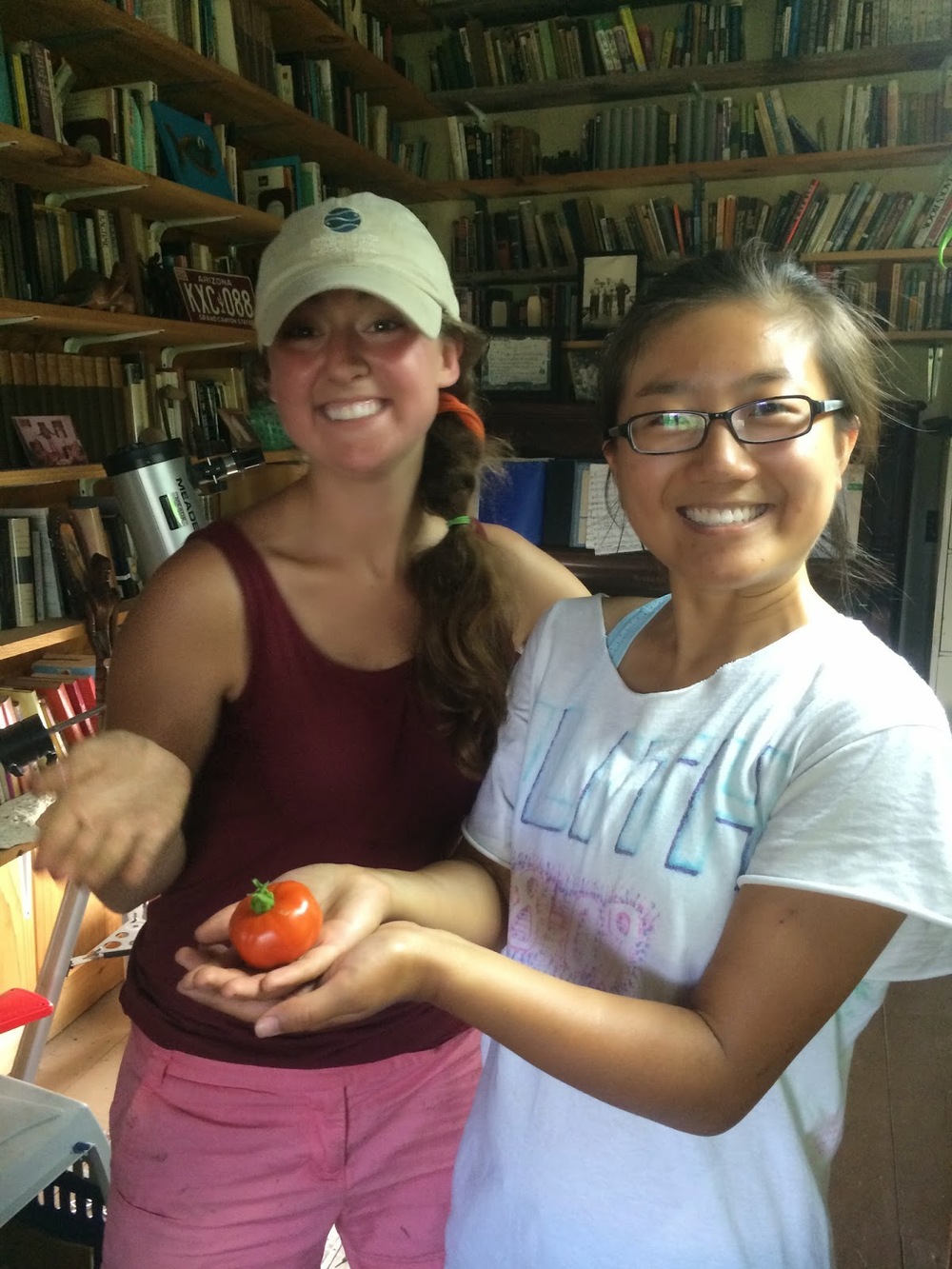
Here's our first aquaponic tomato:
In any basic hydroponic or aquaponic system, you want to keep a close eye on a few major factors: one, the nutrients getting to your plants; two, the health of your water (and fish in aquaponics); and three, the life cycle of your plants and timing regular clean-outs for your setup.
 
We learned by trial-and-error that in an aquaponics setup, you need to be careful how much food you are feeding your fish. Too much, and you'll be dealing with a disastrously cloudy tank.  We dealt with this last month by doing a thorough cleaning-out of the entire grow bed. Rinsing out the pea gravel and scrubbing the container (and scrubbing the walls of fish tank, and changing the tank's filters) gave us a pristine system in which to continue growing.

Yesterday, we did our annual maintenance of the hydroponic setup, which involves cleaning out the grow bed and water tank, scrubbing the gravel, and refilling the tank with fresh water.


The annual or semi-annual maintenance required for aquaponics and hydroponics makes these methods some of the easiest for growing fresh, organic produce.

Further reading:
Aquaponics at Better Farm
Hydroponics

Blueberry Wine Workshop Aug. 10

BetterArts presents its third annual Art of Winemaking workshop at 2 p.m. Sunday, Aug. 10, at Better Farm in Redwood.

Fermentation expert Paul Jennings will teach attendees basic fermentation principles and discuss various methods for wine- and beer-making. Students will gain hands-on experience creating their own batch of blueberry wine with blueberries picked locally.

Each participant is invited to take a bottle of blueberry wine home for aging (wine may be picked up at Better Farm several weeks after the class, when bottling has occurred).

The cost for this class is $10. Pre-register by emailing info@betterarts.org. If you would like to participate in the picking of local, wild blueberries, please let us know! There will be a picking field trip scheduled several days prior to the workshop.

Better Farm is located at 31060 Cottage Hill Road in Redwood. To see a complete listing of upcoming workshops and events, visit www.betterfarm.org/upcoming-workshops.
Comment

Nicole Caldwell

Nicole Caldwell is a self-taught environmentalist, green-living savant and sustainability educator with more than a decade of professional writing experience. She is also the co-founder of Better Farm and president of betterArts. Nicole’s work has been featured in Mother Earth News, Reader’s Digest, Time Out New York, and many other publications. Her first book, Better: The Everyday Art of Sustainable Living, is due out this July through New Society Publishers.

All-Ages Upcycling Workshop This Saturday!

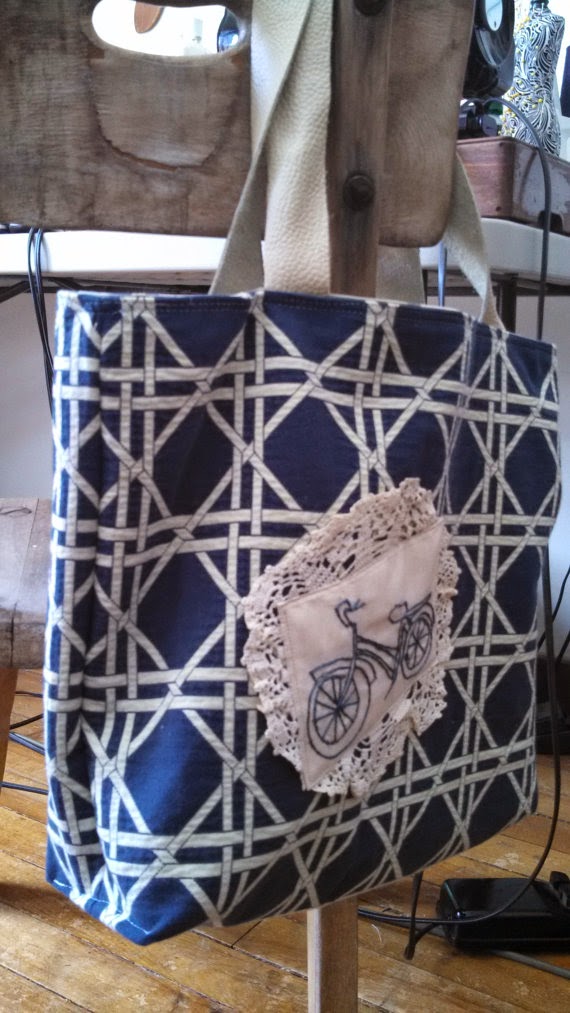
Images from La Mia Designs.

BetterArts presents an Upcycling Workshop for all ages at 11 a.m. this Saturday, Aug. 2, at Better Farm in Redwood.

This all-ages workshop invites students to transform old items into something new. Furniture, clothing, or anything else you find is welcome! Crafts supplies like glue, needle and thread, embroidery floss, and other items will be available. If you don't have something specific in mind, we will also have a bunch of old items available for you to upcycle. The fun will last two to three hours. 

The workshop is being taught for the second year in a row by Stephanie DeJoseph of La Mia Designs. La Mia Designs is an eco- conscious business offering handcrafted items such as original artwork, unique photographic images, handbags, jewelry, and home accent pieces such as furniture. In addition to customizing interiors, La Mia minimizes waste by repurposing old and vintage fabrics, clothing, jewelry, furniture and building materials.

There is a suggested $5 donation for this course to help defray instructor and material fees. Email info@betterarts.org to pre-register. Better Farm is located at 31060 Cottage Hill Road, Redwood. For a full list of upcoming events at the farm, visit http://www.betterfarm.org/upcoming-events.
Comment

Nicole Caldwell

Nicole Caldwell is a self-taught environmentalist, green-living savant and sustainability educator with more than a decade of professional writing experience. She is also the co-founder of Better Farm and president of betterArts. Nicole’s work has been featured in Mother Earth News, Reader’s Digest, Time Out New York, and many other publications. Her first book, Better: The Everyday Art of Sustainable Living, is due out this July through New Society Publishers.

Soap-Making for Rainy Days

Have I entered the world of Little House on the Prairie? On a rainy day last week, I decided to make soap. No, I didn't use animal fats—I'm not that hardcore—but I did pick some fresh lemon balm, oregano, and sage from our herb garden to add to the concoction.


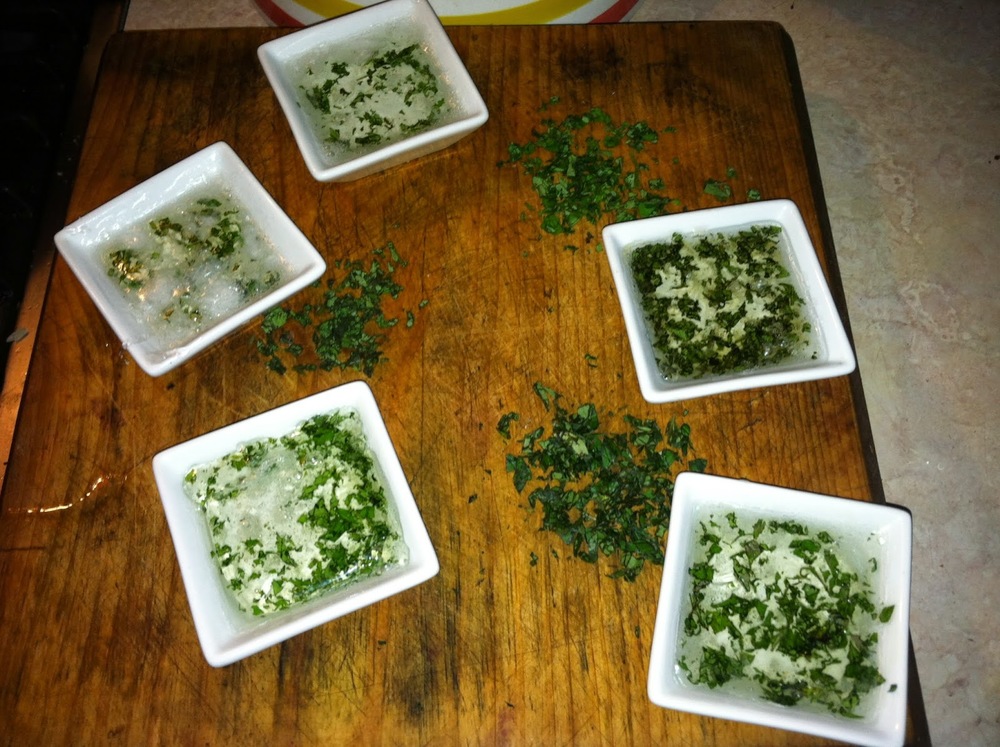
chopped herbs

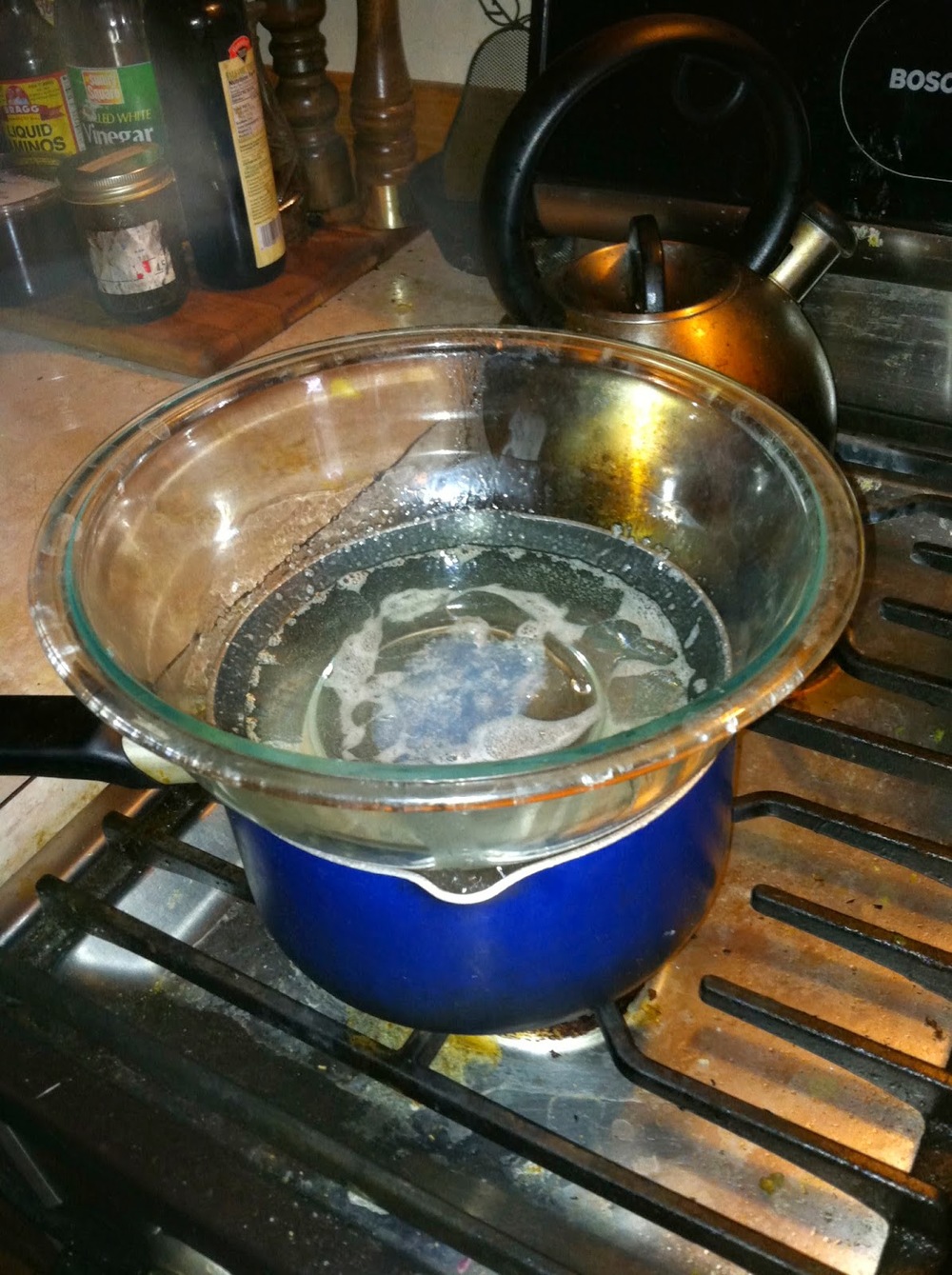
I cut off a piece of soap brick from our handy soap-making kit (Life of the Party: Moisturizing Clear Glycerin Soap) and melted it using a double boiler method (put a glass bowl over a saucepan).


 I added the herbs to bowls...

...and poured the melted soap into them. After they dry, I have the perfect gift for my parents :)

This Friday: Works by Graphic Novelist and betterArts Resident Maggie Fishman

"Faceoff" by Maggie Fishman
Visual artist Maggie Fishman will have pieces from her graphic novel The End of Oil on display at 6 p.m. Friday, July 25, in Better Farm's Art Barn gallery in Redwood.
"Fieldwork Detail" by Maggie Fishman
Fishman, a Brooklyn-based artist who focuses on drawing, painting, and graphic poetry, has spent the last several weeks in Northern New York as an artist-in-residence through the betterArts Residency Program. That program invites artists of every discipline and from all over the world to visit the Better Farm campus in Redwood to focus on a body of work against a backdrop of sustainability initiatives and green living.

In addition to her work as a professional artist, Fishman has worked in education, activism, anthropology, and writing while exploring how we put beliefs into action, how we connect the personal with political and artistic expression and social change—and how we can nurture and educate the next generation to build the world anew. By combining drawing, painting, comic narrative, and visual poetry, Fishman speaks in different voices from the unconscious to the documentarian.

The End of Oil is a series of drawings and paintings in ink and watercolor which Fishman is building into a book. The pieces explore how common stories and themes shared by humanity are acted out in a world we are told is near its end. The book has three parts: The first follows a claustrophobic car journey of a nuclear family; the second, they gather with others in the countryside; and in the third, this small community joins the wider public by the sea. Fishman has used her betterArts residency to work on the second section, using her time in a community-based living situation to reflect and clarify the themes and stories in her work.

Fishman possesses a PhD with Honors in cultural anthropology from New York University, a BA with honors from Haverford College, and has earned fellowships and scholarships to New York University and the New York Studio School. She has worked as a lead researcher, visiting professor, adjunct instructor, and developer for arts outreach organizations and at colleges; and is co-founder of the River School Project. Her work has been featured in solo and group exhibitions for more than 20 years.

This gallery event is free and open to the public. Better Farm is located at 31060 Cottage Hill Road in Redwood. To learn more about Maggie Fishman's work, click here. For more information about the betterArts Residency Program, visit www.betterarts.org.
Comment

Nicole Caldwell

Nicole Caldwell is a self-taught environmentalist, green-living savant and sustainability educator with more than a decade of professional writing experience. She is also the co-founder of Better Farm and president of betterArts. Nicole’s work has been featured in Mother Earth News, Reader’s Digest, Time Out New York, and many other publications. Her first book, Better: The Everyday Art of Sustainable Living, is due out this July through New Society Publishers.

DIY Granola

At Better Farm, we make every effort to buy ingredients as opposed to pre-made, processed foods. By learning to create our own dishes, breads, and other products, we can control what is in our food and ensure only the healthiest, best ingredients make it to our table. Our latest "from-scratch" effort was to make granola.

First, we gathered our ingredients: oats, dried cranberries, almonds, dried apricots, salt, oil, honey, and molasses. There's no exact list of ingredients you need; this is all about what you like! NO matter what ingredients you pick, here's the basic tutorial on making the granola:
  • Turn the oven on to 350 
  • In a large bowl, mix all your dried ingredients
  • Add wet ingredients (you will know you've added enough when the mixture begins to clump)
  • Pour the mixture onto a greased cookie sheet and press it down into all the corners.
  • Bake for 12 minutes
  • Take out the tray and mix up the granola, then return the tray to the oven
  • Bake until the granola is golden-brown
  • Enjoy with yogurt, milk, soy or almond milk!

Better Mud Run Recap

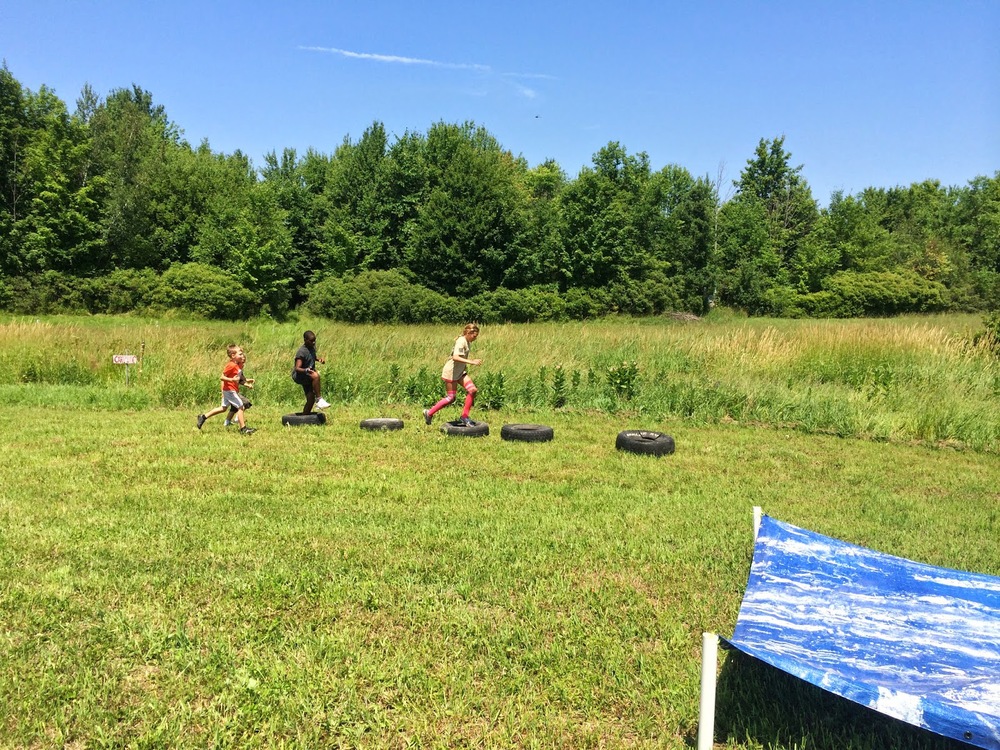
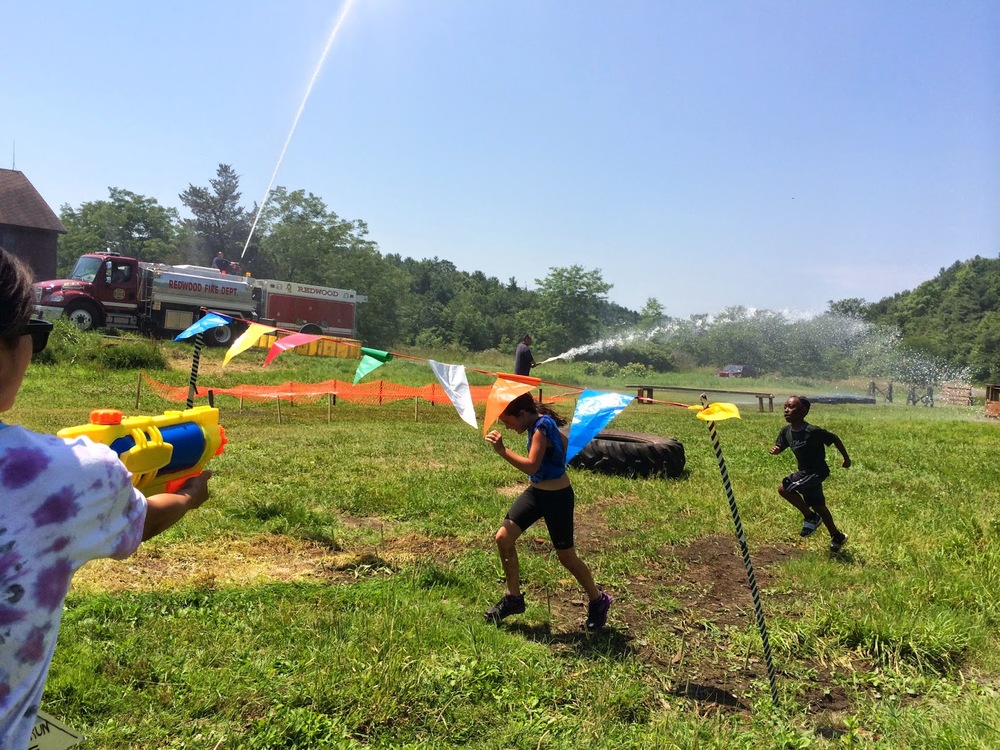
The fierce youth competitors of last Saturday's Better Mud Run.
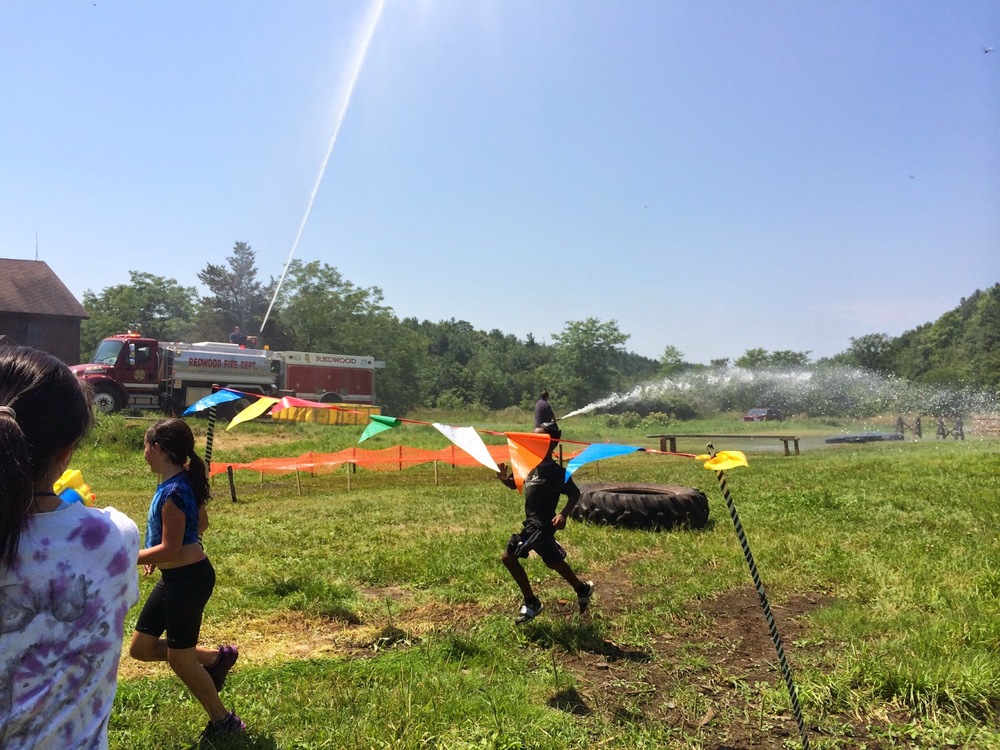
Redwood Volunteer Fire Department members who came out to soak the course.
Last Saturday marked the First Annual Better Mud Run at Better Farm, which raised funds for Better Farm's wellness outreach as well as for nearby USO Fort Drum.

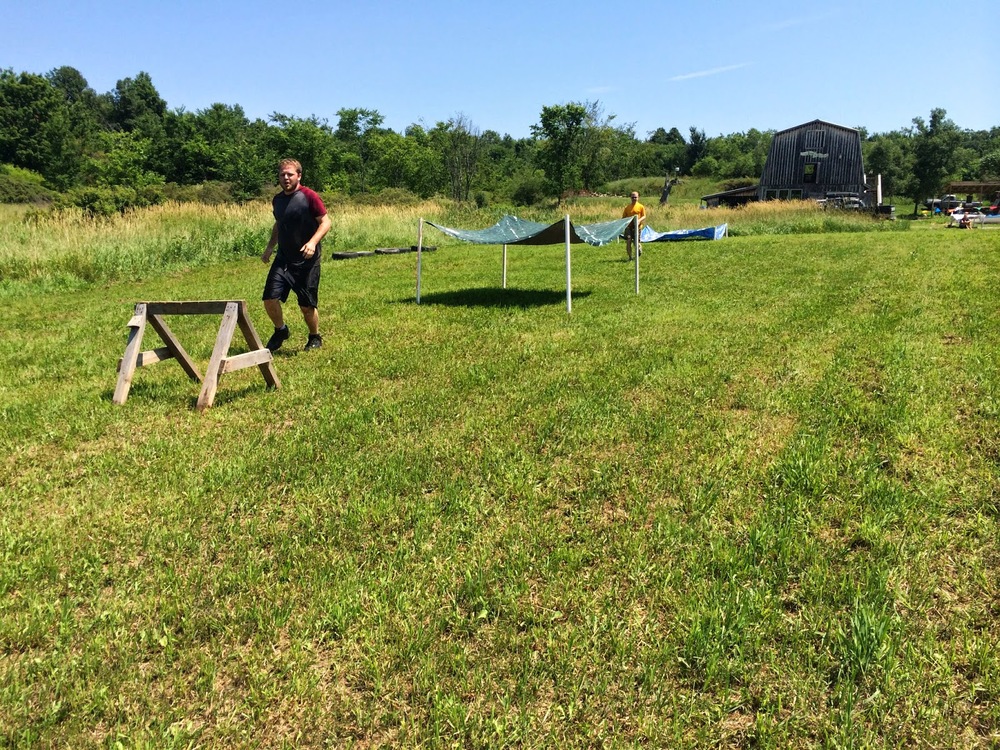
Hosted by Better Farm and featuring more than 20 obstacles, the Better Mud Run invited the fiercest  athletes and thrill-seekers to the Better Farm campus for agility obstacles, a road run, scaling mountains, and—of course—getting really, really muddy. There was an abridged course for younger competitors—and even the Redwood Volunteer Fire Department got involved, agreeing to take time out of their day to wet down the course:

Our grounds crew worked tirelessly the week prior, getting everything in order for the day:

Finally, the big day arrived. Here are some shots from the event itself:


Many thanks to Doc, Carl, James, Mollica, and our other organizers; Cheesman for running the tree-stand shootout tower, all our volunteers, and to everyone who came out to support such great causes. See you in 2015!

Comment

Nicole Caldwell

Nicole Caldwell is a self-taught environmentalist, green-living savant and sustainability educator with more than a decade of professional writing experience. She is also the co-founder of Better Farm and president of betterArts. Nicole’s work has been featured in Mother Earth News, Reader’s Digest, Time Out New York, and many other publications. Her first book, Better: The Everyday Art of Sustainable Living, is due out this July through New Society Publishers.

The Humanure Compost Toilet System

One of the most wasteful uses of fresh, drinkable water in the world is that of flushing the toilet. Residential toilets alone account for roughly 30 percent of indoor residential water use in the United States—that's equal to more than 2.1 trillion gallons of freshwater each year, according to the EPA. There's got to be a better way.

Why would we use fresh, drinkable water—which, by the way, is in limited supply—to flush humanure away into some unknowable place for endless processing, especially at a time when we are increasingly aware of the benefits of at-home composting systems? Why do people insist on being the only animals on the planet to live so far removed from any natural systems?

There is a better way. Whether you 're hosting an event and need a few extra porta-potties, in need of a toilet out by your work room or garage, re-doing your camp on the lake and lack a bathroom, or if you're ready to transition from a water-based septic or sewer system, the "humanure" compost toilet is a simple, cheap, ecologically responsible way to deal with human waste.

Over the course of your lifetime, you will likely flush the toilet nearly 140,000 times; with each flush using somewhere between 1.28 gallons (if high-efficiency) and 7 gallons of fresh water. Leaking toilets (even the ones you only hear at night) can lose 30 to 500 gallons per day.

Joseph Jenkin's amazingly informative website The Humanure Handbook offers tons of ideas for alternatives to traditional, flush toilets—none of which are so gross that the average person can't figure out how to maintain, clean, and utilize the system in his or her everyday life. Although most of the world's humanure is quickly flushed down a drain, or discarded into the environment as a pollutant, it could instead be converted, through composting, into lush vegetative growth, and used to feed humanity.

The humanure process involves a compost toilet, a compost bin and cover material. Toilet instructions are simple. There are a variety of ways to make a humanure toilet (or you can buy one).

One of the Better Farm projects last year was to teach students how to construct a basic humanure compost system utilizing discarded scraps of lumber, a 5-gallon pail, and sawdust.

The popularity of that project fostered a second workshop this year. It was also my first time using power tools… thankfully, no fingers were hurt in the process.

First, we constructed the base.

Then, we added the sides.

Next, we added the top with the toilet seat and hinges.

Voila! Our completed compost bin (dubbed Shitty Prototype II):

Who knew that recycled wood, a bucket, and an old toilet seat could come in so handy? 

Gallery Showing of Works by betterArts Resident Kiran Chandra July 11

Kiran at work in the Art Barn.
A gallery showcasing the work of betterArts resident Kiran Chandra is slated at 6 p.m. Friday, July 11, at Better Farm's Art Barn in Redwood.


Kiran has been at Better Farm since June 25 through the betterArts Residency Program, creating a body of work that investigates notions of time, place, communication, and dialogue.

Kiran works with paper, water colors, India and colored inks, spoken word, and video. "I write original texts which become recorded audio pieces that are heard alongside drawings or 3-dimensional work," she said. "The sound, drawings and objects come together to create an effect, and often become an immersive environment for the viewer to enter. The materials are in dialogue together, connected by their physical materiality, but also the very structure of the language that informs the work."

Here are some shots of Kiran-in-action:

Kiran doing a plant study in Better Farm's library.


The artist earned a bachelor's degree from St. Stephen's College at Delhi University in India before moving from Calcutta to Boston to earn a secondary bachelor's in fine art from the Art Institute of Boston. In 2013 she earned an MFA from Hunter College in Manhattan. She now lives in Brooklyn, where she is a teaching artist with various organizations throughout New York City; including the Brooklyn Arts Council, City Lore, Artistic Noise, Studio in aSchool, and the Sadie Nash Leadership Program for Young Women.

Light refreshments and snacks will be served at the gallery opening.


The Art Barn is located at Better Farm, 31060 Cottage Hill Road, Redwood NY, 13679. For more information about the betterArts residency program, click here.
Comment

Nicole Caldwell

Nicole Caldwell is a self-taught environmentalist, green-living savant and sustainability educator with more than a decade of professional writing experience. She is also the co-founder of Better Farm and president of betterArts. Nicole’s work has been featured in Mother Earth News, Reader’s Digest, Time Out New York, and many other publications. Her first book, Better: The Everyday Art of Sustainable Living, is due out this July through New Society Publishers.

betterArts Presents: Film Noir Movie Night This Thursday!

BetterArts' new movie-screening series kicks off at 6:30 p.m. this Thursday, July 10, with a double-feature of film noir classics at Better Farm in Redwood.

Film noir is a cinematic term used primarily to describe stylish Hollywood crime dramas, particularly those that emphasize cynical attitudes and sexual motivations. Hollywood's classical film noir period is generally regarded as extending from the early 1940s to the late 1950s. 

Thursday's screenings are set to include Orson Welles' Touch of Evil and John Huston's The Maltese Falcon. Summary sheets—and popcorn!—will be provided. Before the screening, attendees will hear a bit about the genre of the films and their impact on the film community and society as a whole. A led discussion with instructor James Challice will follow the films. 

Please pre-register by emailing info@betterarts.org. Better Farm is located at 31060 Cottage Hill Road in Redwood. For further information, email info@betterarts.org or call (315) 482-2536. For a full listing of upcoming events and workshops, click here.
1 Comment

Nicole Caldwell

Nicole Caldwell is a self-taught environmentalist, green-living savant and sustainability educator with more than a decade of professional writing experience. She is also the co-founder of Better Farm and president of betterArts. Nicole’s work has been featured in Mother Earth News, Reader’s Digest, Time Out New York, and many other publications. Her first book, Better: The Everyday Art of Sustainable Living, is due out this July through New Society Publishers.