Solar Radiation Mapping at Better Farm

Solar radiation map of Better Farm by Elyna Grapstein.


Elyna Grapstein studied sustainability at Better Farm in September of 2012 before going on to study at SUNY-ESF's ranger school in Wanakena, N.Y. While there, her projects have included land-cover mapping (as we showcased in December on our blog), and more recently, solar radiation mapping of Better Farm's property. Below are her findings.


Elyna Grapstein's completed solar radiation map and guide.
Solar Radiation on Better Farm Property
by Elyna Grapstein
INTRODUCTION:
Better Farm, a sustainability education center and artist colony, exists as a place where visitors and residents have the opportunity to experiment in a way which will "[enhance] the local and regional community by offering each individual the opportunity to expand, grow, and flourish sustainably." I feel that one productive way in which Better Farm may choose to experiment is with renewable sources of energy—specifically solar power. These maps were made with the intention of displaying where solar radiation is strongest and weakest on Better Farm's property in the case of wanting to install solar panels in the future, and where those panels would be be placed based on solar radiation strength and current land conditions.
STUDY AREA:
Better Farm is located in the Indian River Lakes region of Jefferson County, New York, in the hamlet of Redwood. It is set in the center of several lakes: east of Butterfield Lake, west of Lake of the Woods, northeast of Millsite Lake, and southwest of Grass Lake. Set west of the Adirondack Region, Redwood's topography consists of hills and wetland.


METHODS:
First, I set up ArcMap 10 through ArcGIS so that I could use the basemap feature, World Imagery. I then navigated to the Jefferson County website and located the Better Farm property parcel number and boundaries through interpreting Jefferson County's tax parcel. Once the property was located, I took a screen shot and saved the image as a .jpeg. Doing so allowed me to crop and edit the screen shot so only the necessary image components were present. I added tax parcel data, adjusted its transparency so I could see the parcel's outline and base layer for georeferencing. Once that was done, I was able to heads-up digitize a polygon shapefile of Better Farm's property.

The other piece of downloaded data was a Digital Elevation Model (DEM) of Redwood. This was necessary to map solar radiation. I was also able to access this data from the Jefferson County website.

After the polygon of the property was made, I began to cut the polygon using the "cut polygons" tool to distinguish different land uses. This was done through interpretation of orthoimages and my own knowledge of the property. Once this was done, I added the necessary features to make it a complete map (Fig. 1). Figure 2 is designed to portray the amount of solar radiation that comes in contact with the property. This map was created by turning on the spatial analyst extension property and then extracting the mask so only the DEM raster cells that are within the property parcel would be exercised. My downloaded DEM file was the "input raster" and the polygon of the Better Farm property that I had digitized was the feature mask data.

From here, deriving solar radiation was straight forward. After selecting "Area Solar Radiation" under "Spatial Analyst Tools", inputting the extracted Better Farm DEM and selecting the time configuration for the year 2013, I was able to create a map of solar radiation.

To create Figure 3, figures 1 and 2 were overlapped, the solar radiation map was made transparent use the "Effects" toolbar, and the spaces that had the highest solar radiation were marked using a "points" shapefile.

RESULTS:
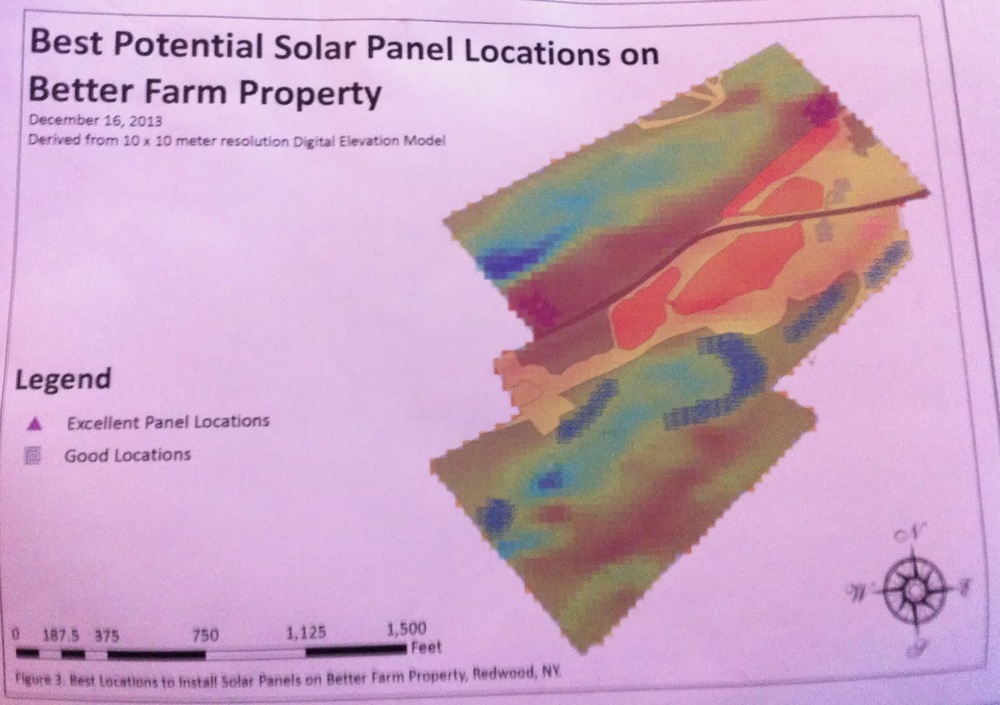
Fig. 3
Based on these map overviews, it seems the spaces that experience the highest amounts of solar radiation are located on the forested portions of the property.  This is not unexpected, as approximately 73 percent of the property is forested (Fig. 1, Table 3). However, the areas experiencing the strongest amount of solar impact also happen to be located on edges; so if solar is ever to be installed at these locations, getting to these spots and clearing forested spaces would not be nearly as involved relative to other locations on the property.

The areas with the second-greatest amounts of solar radiation are generally located in more remote zones and are more difficult to access; however there is one location on the southern end of the property's lawn that would make a good location to set up solar panels. No land clearing would be necessary, as the space is vacant and there is little slope to interfere with the installation (Fig. 3).

Though solar power may not be in Better Farm's immediate future, these three maps may be used as references for numerous other projects involving property management and planning—be it for organizing crop locations for Better Farm's garden, building trails through the forest, or even as an educational tool for visiting students and guests.

Fig. 1.
Fig. 2.

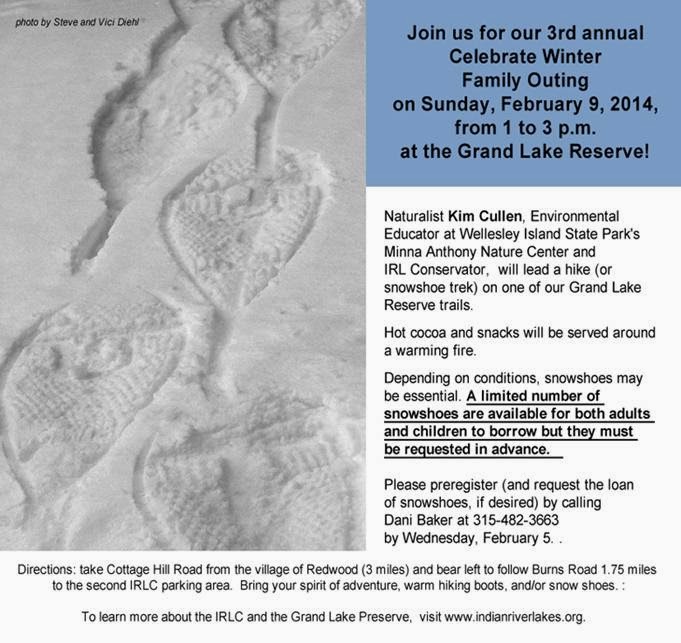
IRLC to host Winter Hike Feb. 9

The Indian River Lakes Conservancy has scheduled its third annual "Celebrate Winter Family Outing" from 1-3 p.m. Sunday, Feb. 9, at the Grand Lake Reserve:

Comment

Nicole Caldwell

Nicole Caldwell is a self-taught environmentalist, green-living savant and sustainability educator with more than a decade of professional writing experience. She is also the co-founder of Better Farm and president of betterArts. Nicole’s work has been featured in Mother Earth News, Reader’s Digest, Time Out New York, and many other publications. Her first book, Better: The Everyday Art of Sustainable Living, is due out this July through New Society Publishers.

Coming Soon: Better Buckets


Image from Jose Vilson.
Introducing Redwood to Compost in Order to Preserve its Natural Beauty and Teach Sustainability 
Composting is the process of turning food scraps into nutrient-rich soil. With up to 40 percent of all landfills comprised of otherwise biodegradable food scraps, composting is a simple way to cut a huge amount out of the waste stream while benefiting backyard gardens, homegrown produce, and increasing amounts of topsoil.

To that end, Better Farm has partnered with the Redwood Neighborhood Association and other local groups and individuals to kick off a new campaign that will turn natural waste into soil and help preserve and expand the natural beauty of the area.

“Better Buckets” allows individuals and families in the Redwood area to isolate food scraps from the waste stream in order to benefit their community. Better Farm will deliver five-gallon pails to those who have signed up and make regular visits to empty the buckets. Waste will be brought to Redwood's Community Greenhouse for processing (and overflow to Better Farm), where over time the food scraps will become healthy soil perfect for fertilizing flowers and produce grown in the community greenhouse. Redwood residents are invited and encouraged to participate in the process of growing plants in the greenhouse, which is operated and overseen by members of the Redwood Neighborhood Association. Plant sales and giveaways throughout the summer months will help to nourish residents and beautify the hamlet. This program is brought to the community at no cost to participating individuals.

A three-tier compost bin will be installed at the community greenhouse during a compost workshop this spring, and fliers will be distributed to residents with more information and sign-up opportunities. Stay tuned for more information!

If you are interested in participating in this initiative, please email info@betterfarm.org or attend the next meeting of the Redwood Neighborhood Association at 7 p.m. on the second Tuesday of next month at St. Francis church on Route 37 in Redwood.
1 Comment

Nicole Caldwell

Nicole Caldwell is a self-taught environmentalist, green-living savant and sustainability educator with more than a decade of professional writing experience. She is also the co-founder of Better Farm and president of betterArts. Nicole’s work has been featured in Mother Earth News, Reader’s Digest, Time Out New York, and many other publications. Her first book, Better: The Everyday Art of Sustainable Living, is due out this July through New Society Publishers.

Exceptional Winter Chicken Care

Rapunzel in winter. Photo/Nicole Caldwell
Winter chicken care can be a particular challenge for those of us living in chillier parts of the world. At Better Farm, we've struggled with cases like frostbite in the flock more this year than the last four winters. Special precautions have had to take place, information for which we acquired through laborious research and interviews. To circumvent that legwork for you, here's a quick rundown of tricks you can utilize to ensure optimal comfort for your birds during the next cold snap.

For starters, let's go over frostbite. Frostbite is damage that occurs to bodily tissues from exposure to extreme cold when fluid in cells freezes. As a result of freezing, blood clots form depriving the cells of oxygen, causing tissue damage to varying degrees. In extremely cold conditions exposed tissues can suffer frostbite in minutes.

In cold weather, chickens are able to conserve body heat by restricting blood-flow to their combs, wattles and feet, the very parts of the body that give off excess heat in warm weather. The result is a decrease in warmth and oxygen to those extremities, which puts them at risk for frostbite.  

For the Damage That's Already Been Done
If you find that one of your chickens is having trouble walking due to frozen or frost-bitten feet, take the bird inside immediately but DO NOT put the bird near extreme heat like that of a wood stove, fireplace, or hair dryer. The drastic temperature shift can put a bird into shock or even kill it. Instead, warm the bird up gradually by putting it in a room of the house that is on the cooler side. After an hour, assess the damage.
  • Lethargic Chicken If the chicken seems dopey, is stumbling, or seems tired, provide sugar or electrolytes. Options include warm water with honey, apple juice or orange juice slightly diluted, or a berry smashed into warm water. Organic apple cider vinegar is an excellent additive to a chicken's beverage on a daily basis. If the chicken doesn't drink on its own you can take a small syringe and dribble the water mixture onto the bird's beak. Be very careful if you put water into the chicken's mouth--chickens don't swallow with muscles, they instead tip their heads back to let liquid run down their throats, so squirting water into a chicken's mouth can cause it to aspirate and choke. (From Yahoo)
  • Blackened Skin or Other Obvious Frostbite If your chicken has a blackened frostbitten area on the comb or wattles, coat the areas with bag balm or petroleum jelly. If the chicken is alert and behaving normally, it will probably be fine to go back outside in the coop. 
  • Peck Marks Chickens can be brutal to each other, and if they sense a weakness they will attack it. They may peck at one another's frostbite; and if they draw blood, they'll keep going. Coat the pecked area in Neosporin. (Note: Never use anything with pain killers. If anything on the ingredient list ends in -cain then it's lethal to chickens!) Keep the chicken isolated until the pecked area heals to prevent further pecking from other birds. If you can't keep the chicken separate for that long then coat the pecked area with pine tar or Blue Kote (in the horse section at the feed store.) When a chicken pecks and gets a mouth full of pine tar, it won't want to peck there again.
  • Damaged/Frostbitten Feet It can take up to six weeks to heal frostbitten feet, so you'll want to be able to keep the bird inside in a heated garage or (our favorite) spare bathroom. Depending on the severity of the frostbite, chickens may lose some toes or even an entire foot. Keep the chicken on a soft bedding, like a towel, that won't cling to his or her feet. If the feet turn completely black then there isn't much you can do except wait for the blackened areas to fall off. Often the chicken is able to survive this and continue on with life, though they will be crippled. If the feet only have partial frostbite, they may grow blisters. Do not pop the blisters no matter what! They will rupture on their own when the skin below is healed enough to be exposed. You can treat frostbite on feet by soaking them twice daily in warm water mixed with Epsom salt, grapefruit seed extract (a natural antibiotic), and hydrogen peroxide (will help to remove dead skin cells and keep bacteria out of healing feet). Don't let the chicken drink that water! Epsom salt in high doses can be very damaging. After a 20-minute soak, dry the feet and coat them with Neosporin or a similar product, then coat with Bag Balm to make a protective layer. Bag balm has menthol in it, which increases circulation and speeds healing. Finally, put loose bandages or an old pair of socks over the chicken's feet to protect them.
NOTE: If your chicken's feet become infected to the point that the chicken is no longer eating and drinking normally then you can administer Penicillin G. This can be purchased at most feed stores, along with syringes and needles. Full sized large breed chickens should get 0.5 mg injected once a day in the drumstick area of the leg, into the muscle. Injecting a chicken can seem a bit intimidating at first, but if you hang the chicken upside down with the help of a partner, the bird will quickly go limp and you can inject the Penicillin without too much trauma. While your chicken is healing be sure to feed it plenty of high protein treats along with normal amounts of food and water to help its body recover. Chickens love scrambled eggs, oatmeal, fruit, and most table scraps aside from raw potatoes and salty foods.

Preventative Care
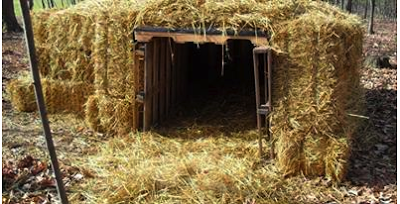
Here's a great idea for a highly insulated wind break chickens can enjoy. All this design takes are four pallets and some hay.
In the winter, whether you've got extreme subzero temperatures or not, chickens should have a place they can go to get away from drafts, snowfall, and cold wind. We recommend putting a tarp over a run and layering fresh hay on the cold ground regularly. This will help prevent frostbitten feet. Some people like to use heat lamps and bulbs for their birds in winter; but in general, we'd caution against that. Heaters can cause additional shock to the system when a chicken goes in or out. Generally speaking, most chickens can acclimate to very cold conditions when given the chance to do so naturally throughout a season. That being said, we have put a small bulb out with the birds under a covered run on extreme days (-20 or colder) in order to melt ice and give the birds a little bit of an edge. here are some other tips:
  • Ventilate the Coop Your goal is to get as much air exchange throughout the coop as possible without drafts, particularly in the roost area. Ideally there will be windows and/or vents on all four sides of the coop. Ventilation holes towards the top of the coop, far above roost height and chicken height are best for achieving effective cold weather air exchange. If your coop does not have adequate ventilation, create more. Think: windows, not little holes. Install as much ventilation as high up on the walls as possible while ensuring that the air over the roost remains still. You want the warmest, heaviest air moving up and out of the coop. 
  • Limit Moisture in the Coop Most breeds tolerate cold extremely well, but freezing temperatures inside the coop in addition to moisture is the recipe for frostbite inside the coop.  Frostbite is most likely to occur overnight in a cold, poorly ventilated coop where damp bedding and moisture from droppings and respiration cannot escape. Chickens generate a great deal of moisture from respiration (breathing) as well as from pooping as droppings consist of 85% water. If the windows of the coop have condensation on them in the morning, there is not enough ventilation in the coop.
  • Keep Litter Dry and Fresh We use shredded paper and dry hay as bedding in our coop; other people recommend sand because of its ability to evaporate moisture so rapidly and retain warmth. 
Tips gleaned from a variety of sources, most notably Yahoo and The Chicken Chick.
1 Comment

Nicole Caldwell

Nicole Caldwell is a self-taught environmentalist, green-living savant and sustainability educator with more than a decade of professional writing experience. She is also the co-founder of Better Farm and president of betterArts. Nicole’s work has been featured in Mother Earth News, Reader’s Digest, Time Out New York, and many other publications. Her first book, Better: The Everyday Art of Sustainable Living, is due out this July through New Society Publishers.

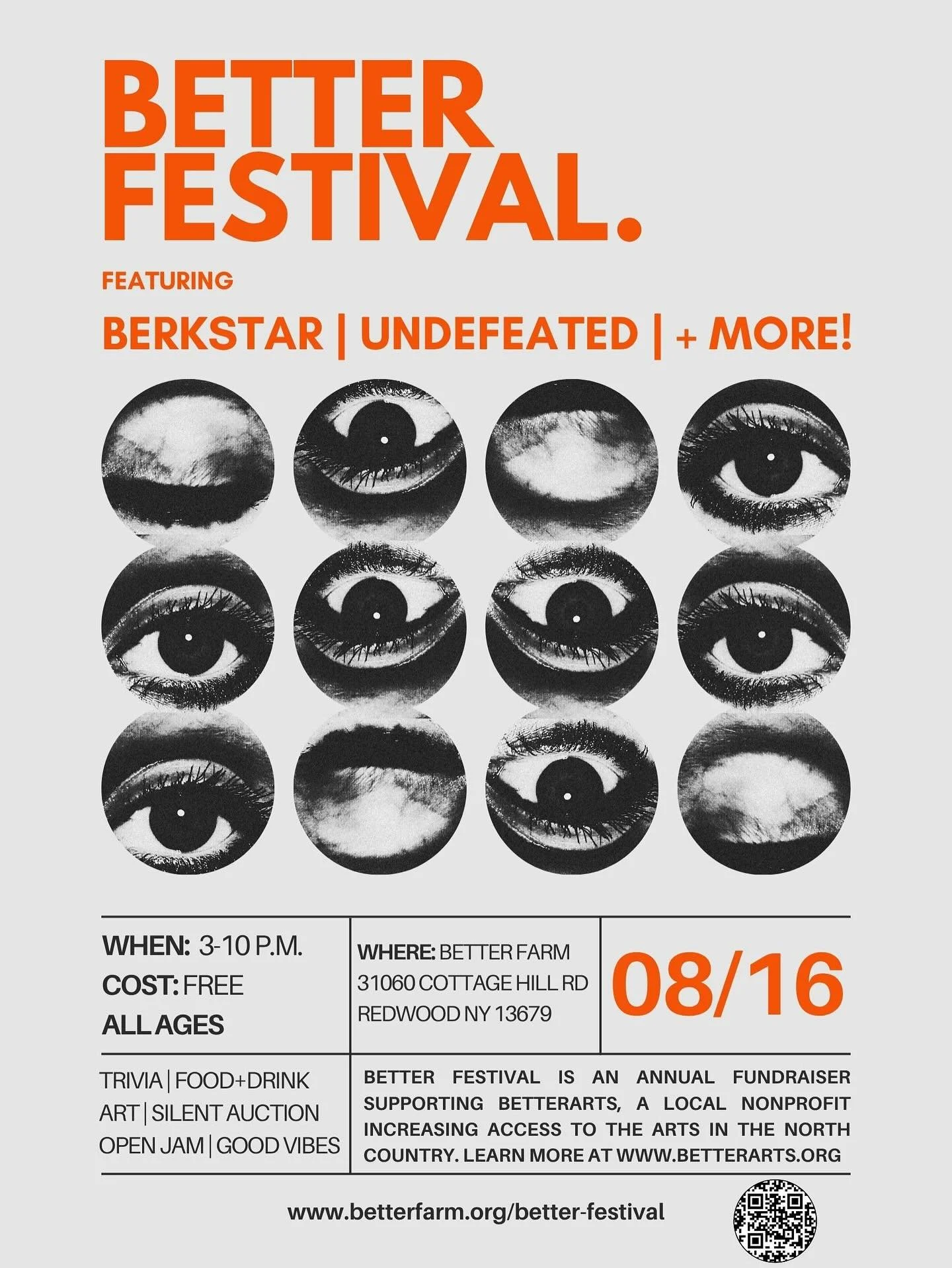
Save the Date: Better Festival June 21

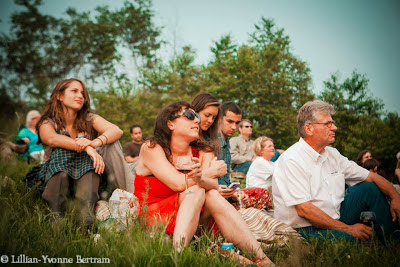
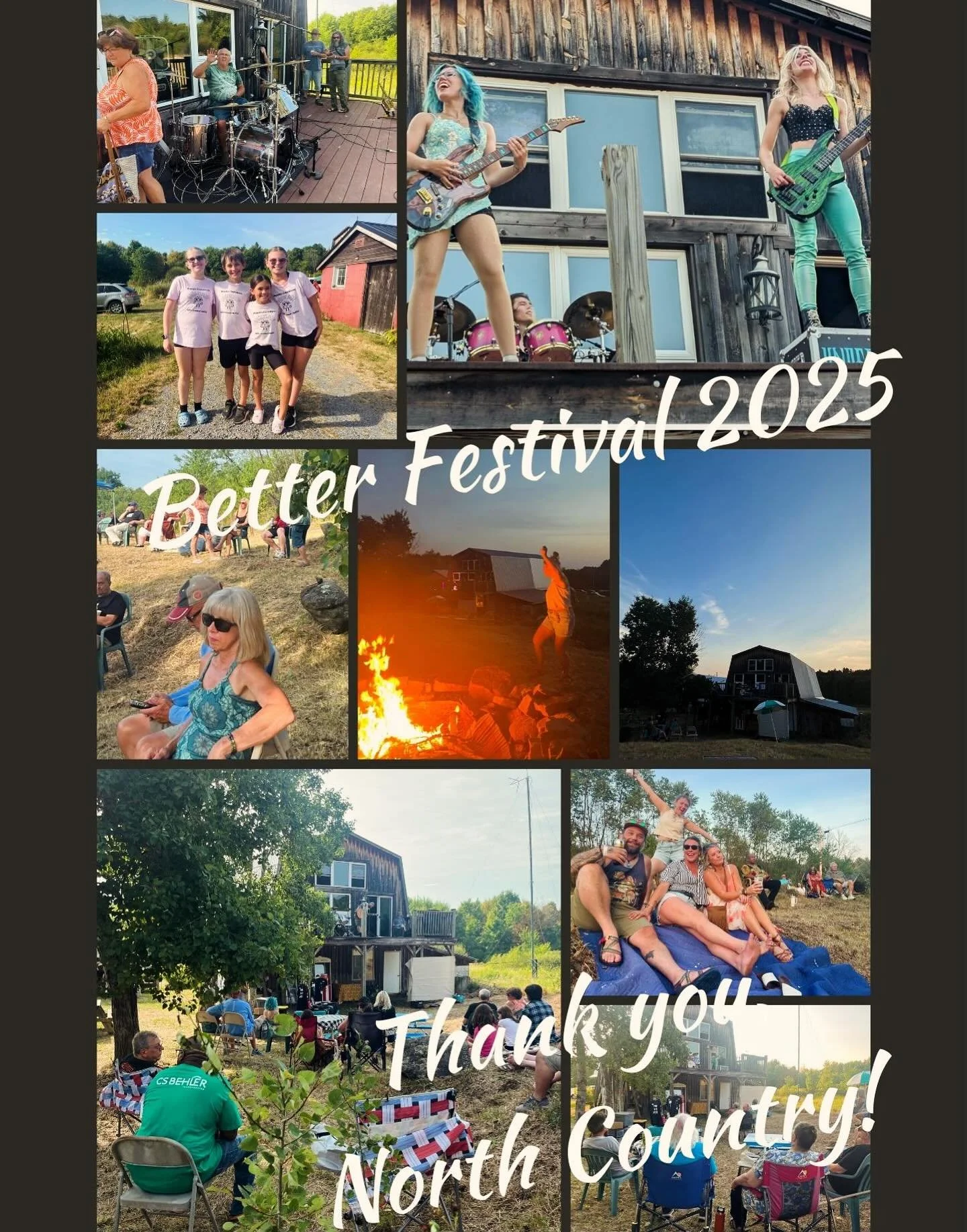
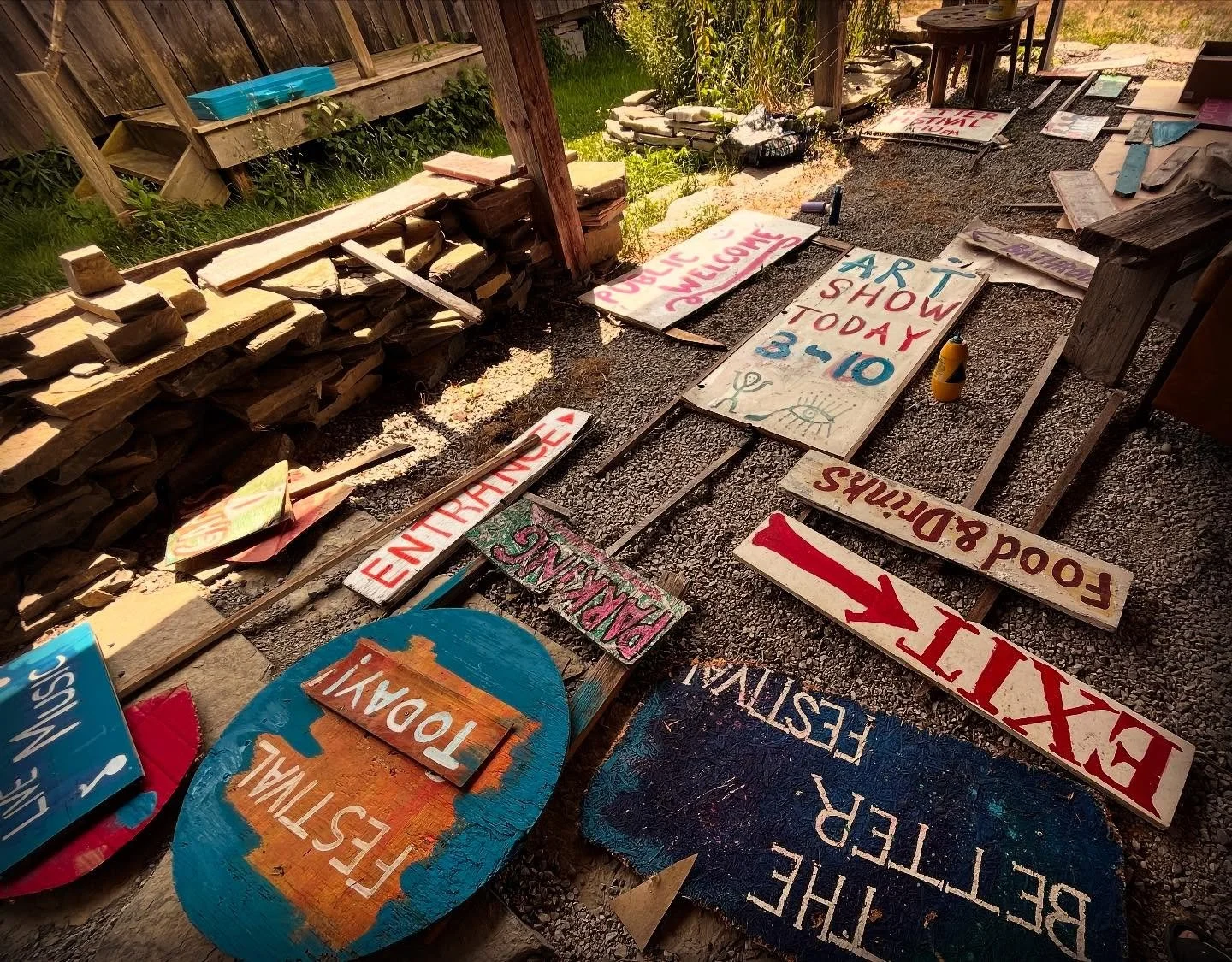
Better Festival, the annual open house, fundraiser, and alumni weekend for Better Farm and betterArts, is slated from 12-8 p.m. Saturday, June 21, 2014.

All money raised at the annual music, sustainability, and arts festival will directly fund art- and sustainability-related community outreach initiatives in and around Redwood.

The day-long event will featuring live performances by local and regional bands, a gallery showcasing artwork by painters, sculptors, photographers, and more, booths featuring art and handmade items for sale, tours of the Better Farm campus, information about Better Farm and betterArts 2014 programming, arts and crafts for kids (and adults!), freshly prepared and locally sourced food, a refreshments tent, games, bouncy castle, and more! To introduce betterArts' latest endeavor
Better Radio, there will be a booth set up for people to create content for that station. Music will also be recorded for video, podcasts, and eventual broadcast use.

Camping is available for $10/person/night. We are offering accommodations Friday through Monday, or any night therein. Workshops will also be scheduled throughout the weekend and include lessons in upcycling, permaculture, and yoga.

Seeking Vendors, Volunteers, Artists, Performers, and Sponsors


  • ARTISTS: Individuals who would like to put their artwork up in the gallery for sale are encouraged to contact us at info@betterarts.org for the appropriate paperwork. There is no fee to hang your pieces, but betterArts does reserve the right to a 15-percent commission on all sold art.
  • PERFORMERS: Bands, singer-songwriters, storytellers, and other performers are invited to participate in the festivities. We have a small stage in the Art Barn's gallery space and a larger outdoor stage on the second-floor deck overlooking a natural amphitheater. If you are interested in performing, please contact amberleeclement33@gmail.com or call (315) 482-2536.
  • VENDORS: A one-day vendor's pass is $15. Please contact us at info@betterfarm.org or call (315) 482-2536.
  • SPONSORS: Sponsors will have their names or business logos included in all press materials and prominently displayed at the event. Sponsorship levels begin at $50. Please contact Nicole Caldwell at nicole.caldwell@betterarts.org or (315) 482-2536 to learn more about becoming a sponsor.
  • VOLUNTEERS: We need people's help setting up, breaking down, running the refreshments tent, cooking, working in the gallery, and more. Please e-mail amberleeclement33@gmail.com.
Better Farm is located at 31060 Cottage Hill Road, Redwood NY, 13679. For more information visit www.betterfarm.org.
Comment

Nicole Caldwell

Nicole Caldwell is a self-taught environmentalist, green-living savant and sustainability educator with more than a decade of professional writing experience. She is also the co-founder of Better Farm and president of betterArts. Nicole’s work has been featured in Mother Earth News, Reader’s Digest, Time Out New York, and many other publications. Her first book, Better: The Everyday Art of Sustainable Living, is due out this July through New Society Publishers.

11th Annual Heart of Winter Show Seeks Artists

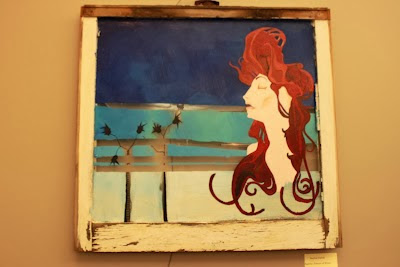
Heart of Winter piece by former Better Farm intern Maylisa Jade
The Heart of Winter Art Show & Chocolate Reception
Macsherry Library
112 Walton Street
Alexandria Bay NY 13640

Macsherry Library on Saturday, Feb. 8, will host the 11th annual Heart of Winter Art Show and Chocolate Reception in the community gallery.

Artists are invited to submit pieces representing the heart of winter. The show will hang from Feb. 8-15 in Macsherry Library's gallery. All artwork must be brought to the library by noon on Feb. 5.

In addition to visual art, writers of original Haiku, short poems, and essays (one page or less) are being accepted for display. For the sake of consistency and readability, all written works will be reprinted and hung with the show. Written works are due at the library by Feb 3.

Artwork may be removed during library hours after Monday, Feb.

There will be a few Peoples Choice Awards for different categories. There will be a decadent assortment of chocolate desserts to sample while enjoying the display.  There will also be a Valentine’s day crafts table for “kids of all ages”. This year will also feature a guitar performance followed by lessons in the meeting room with Gary Waltz. As with most Macsherry Library events, there is no fee to attend.

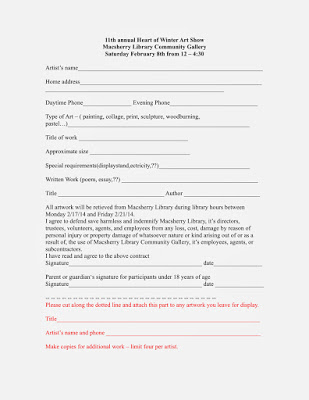
If you would like to help behind the scenes or need more information, contact Sue-Ryn Burns   at (315) 482-2985 or Cecilia Thompson at (315) 777-3385. Artists interested in submitting work can print out this form to be brought along with pieces to library:
Macsherry Library is located at 112 Walton St., Alexandria Bay, N.Y.
Comment

Nicole Caldwell

Nicole Caldwell is a self-taught environmentalist, green-living savant and sustainability educator with more than a decade of professional writing experience. She is also the co-founder of Better Farm and president of betterArts. Nicole’s work has been featured in Mother Earth News, Reader’s Digest, Time Out New York, and many other publications. Her first book, Better: The Everyday Art of Sustainable Living, is due out this July through New Society Publishers.

DIY Pollination

Pollinating tomato plants in Better Farm's aquaponic garden.
Gardening applications such as indoor aquaponics and hydroponics are wonderful for a host of reasons: temperature and climate control, the absence of pests and weeds, and control over the grow cycle. But playing garden god has its consequences; not the least of which being the utter lack of pollinators and helpers-along, namely bees and the wind.


Put simply, there are two types of pollination: same-flower pollination, and multi-flower pollination.
  • Same-flower pollination Veggies and fruits in this category include peppers, tomatoes, and eggplants. In these plants, pollen just needs to be released from one part of a flower to another part in the same flower in order for pollination to occur. Wind is the most common pollinator here, literally “shaking loose” the pollen. Insects, like bees, also help with the vibration of their wings or the physical action of their climbing on flowers moving the pollen around.
  • Multi-flower pollination Plants in this category include cucumbers, melons and squash. These plants produce both male and female flowers. For pollination to occur, pollen must move from the male flower to the female flower. Generally, this is accomplished by insects flying or crawling from one flower to another.
With same-flower pollination, gently shaking or vibrating the plants or individual flowers a few times a week (daily is best) after flowers appear is the most straight-forward way to ensure pollinations.

For plants with male and female flowers, you're going to have to manually transport pollen from male flowers to females. Can't tell which is which?  Male flowers are smaller and you can often see the pollen as “dust” inside. Female flowers tend to be larger and often have a small, unfertilized fruit at their base. For example, with cucumbers, you can actually see a small ½ inch long cucumber at the base of the female flowers. If left unpollinated, this will drop off. If pollinated, it grows into a full-sized fruit.

To fertilize these plants, you can use a Q-tip or tiny paintbrush. Just dab the male flowers a few times and then dab the female flowers and buds. This morning I pollinated tomato plants and clovers using both methods just for due diligence. I'll be knee-deep in aquaponics for the next few weeks repeating the process and capturing pics of the progress. Here are some action shots:


Comment

Nicole Caldwell

Nicole Caldwell is a self-taught environmentalist, green-living savant and sustainability educator with more than a decade of professional writing experience. She is also the co-founder of Better Farm and president of betterArts. Nicole’s work has been featured in Mother Earth News, Reader’s Digest, Time Out New York, and many other publications. Her first book, Better: The Everyday Art of Sustainable Living, is due out this July through New Society Publishers.

Book Your Next Event at Better Farm

We are now taking inquiries and bookings for 2014 retreats, workshops, weddings, corporate meetings and events, lectures, and field trips at Better Farm.


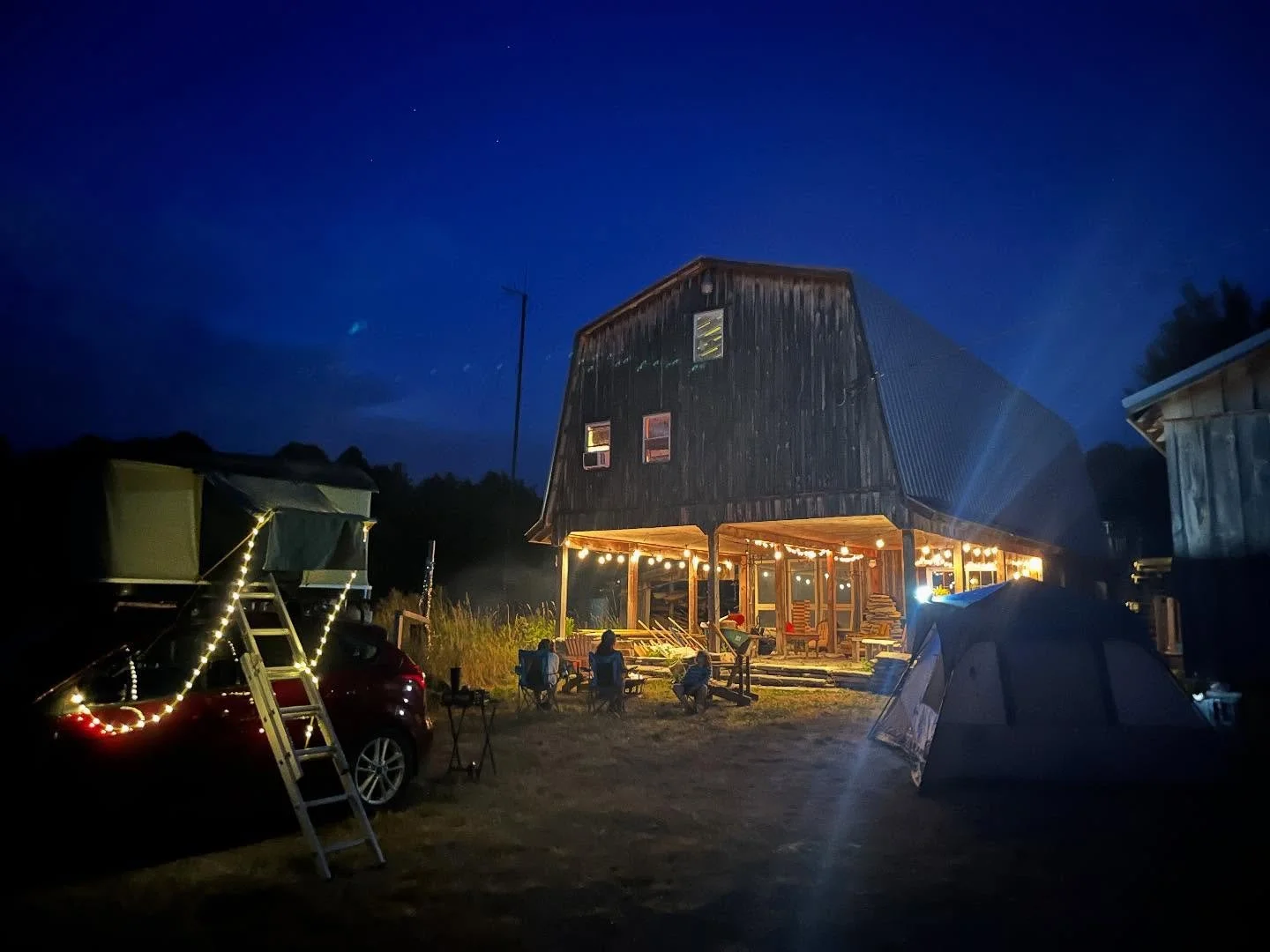
Better Farm is situated on 65 acres of  rolling hillsides, forests, open fields, farmed land, a pond, and a small fruit orchard. There are several buildings: the main house with two kitchens, seven bedrooms, three lofts, a library, four bathrooms, laundry room, office and two common areas; the two-story Art Barn with gallery/event space, studio, and second-story deck functioning as stage overlooking a natural amphitheater; a tool shed, wood shed, greenhouse, and small cabins for additional overnight guests.
The main house, barn, and property are available year-round to rent for weddings, retreats, workshops, field trips, festivals, concerts, lectures, and more. Rent the whole property for big groups, or rent just what you need for a smaller group. Contact info@betterfarm.org with your inquiries and for pricing information. For overnight lodging information, click here.
Comment

Nicole Caldwell

Nicole Caldwell is a self-taught environmentalist, green-living savant and sustainability educator with more than a decade of professional writing experience. She is also the co-founder of Better Farm and president of betterArts. Nicole’s work has been featured in Mother Earth News, Reader’s Digest, Time Out New York, and many other publications. Her first book, Better: The Everyday Art of Sustainable Living, is due out this July through New Society Publishers.

Former betterArts Resident Ruby Amanze in Brooklyn Gallery Show through April 6


Ruby Amanze, a visiting artist-in-residence back in 2011, has a body of work on display as part of a larger gallery exhibit in Brooklyn, N.Y., through April 6 of this year.

Six Draughtsmen, showing at the Museum of Contemporary African Diasporan Arts, highlights the diverse drawing practices of six artists. Arguably the oldest of all mediums, drawing has evolved to redefine and expand its parameters in this increasingly experimental era of contemporary art. Navigating somewhere between the traditions of the past and an imagined future, contemporary drawing embraces and challenges drawing conventions in medium, surface and concept.
By Ruby Amanze
In the past 15 years, there has been a surge of critical discourse on contemporary and experimental drawing, but artists of African descent have been disproportionately absent from the international discussion. The work of many pioneer Nigerian artists shows evidence of a strong historical connection to drawing. Currently, however, drawing in a Nigerian context has primarily been designated a preparatory exercise rather than being recognized as a finished medium.
Ruby Onyinyechi Amanze, Toyin Odutola, Temitayo Ogunbiyi, Wura-Natasha Ogunji, Nnenna Okore and Odun Orimolade are six artists of Nigerian descent who explore aspects of drawing in their current practices in Nigeria and in the U.S. Though most of the artists primarily practice in the U.S., at the time this exhibition was conceived, five of the six women found themselves actively engaged in a studio practice in Nigeria. Aside from those who only draw, participating artists also identify as installation artists, performance and video artists, mixed media artists and sculptors.Yet through their various mediums, all are intrinsically invested in a dialogue with drawing, both two dimensionally as well as by taking mark-making, line, erasure, transparency, memory and process, off the page and into three dimensional space.
This exhibition is curated by artist Ruby Onyinyechi Amanze as part of her culminating research for the Fulbright Scholars Program in Nigeria. From August 2012 to June 2013, Amanze joined the faculty as a resident artist in the Department of Fine and Applied Arts at the University of Nigeria, Nsukka.

The Museum of Contemporary African Diasporan Arts is located at 80 Hanson Pl., Brooklyn, NY 11217. Can't make it to the gallery? See Ruby's amazing work at www.rubyamanze.com.

Comment

Nicole Caldwell

Nicole Caldwell is a self-taught environmentalist, green-living savant and sustainability educator with more than a decade of professional writing experience. She is also the co-founder of Better Farm and president of betterArts. Nicole’s work has been featured in Mother Earth News, Reader’s Digest, Time Out New York, and many other publications. Her first book, Better: The Everyday Art of Sustainable Living, is due out this July through New Society Publishers.

Hydroponics System in Place

Better Farm's newly installed hydroponics kit.
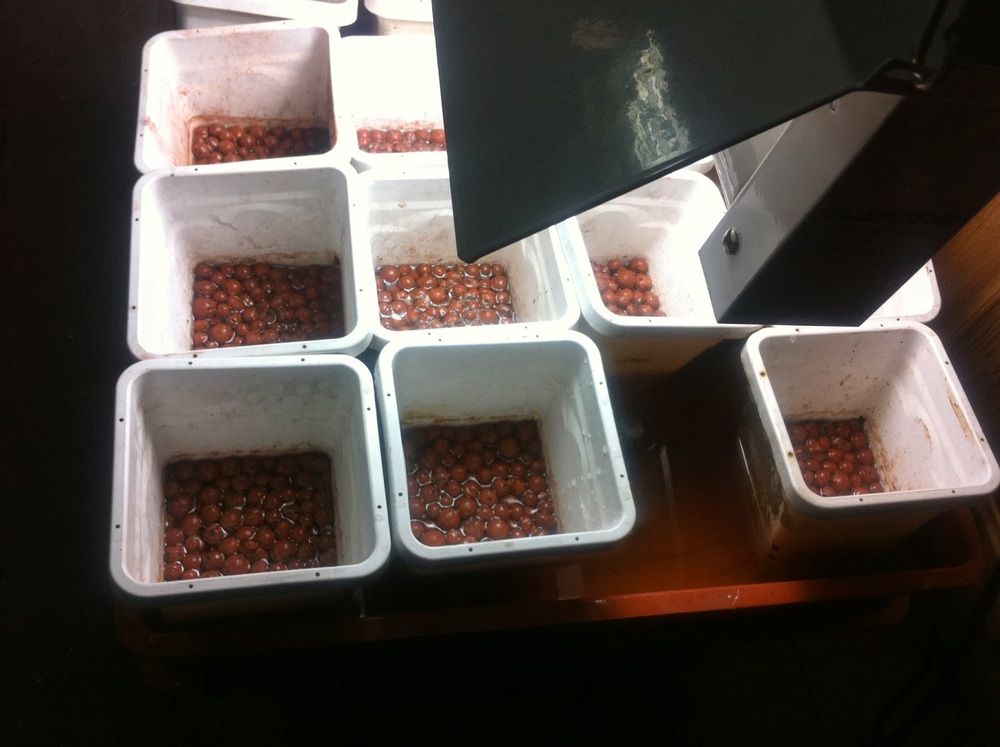
A neighbor last year donated a gently used hydroponic kit to Better Farm for us to grow fresh produce in year-round. This, in addition to our existing aquaponics setup, allows students visiting the farm to learn about small-scale indoor agricultural production: a perfect application for those living in homes without outdoor garden space, or for anyone who wants fresh produce year-round. The hydroponics system is an alternative method to aquaponics, which required fish to make the plants grow.

We waited until this winter to install the hydroponics kit, as we had our hands full all spring, summer, and fall with outdoor agricultural adventures. Now with this additional growing space, we've dedicated the aquaponics tank to grow tomatoes through the winter and tasked the hydroponics tank with lettuce and other salad greens. Because the hydroponics tank runs without the use of fish, we have to artificially add organic fertilizers and growth boosters in order to nourish the plant life.


The setup:
A FluoroWing Hydrofarm compact fluorescent system:

A two-tier grow bed, "Ebb and Flow" Hydrofarm system (water tank in bottom with pump to bring water to top growing layer; another filter to bring water back down into lower tub):

 Pea gravel:

Nutritents (we are using FloraDuo from General Hydroponics):


How the system works:
Our hydroponic "garden" is based out of a 22"x22"x10" tub. The Ebb & Flow System pumps nutrient solution up from a reservoir to a controlled water-level tray. All plants are watered uniformly. To determine how much nutrient to put in the water, we referred to the easy-to-follow instructions on the FloraDuo packaging. Nutrients need to be replenished every one to two weeks, and we'd encourage regular water tests to make sure you've got the right pH and nitrogen levels to make your plants fluorish.

While we're pretty well-versed in aquaponics at this point, hydroponics is a new adventure for Better Farm. With that in mind, this first go-round will include only buttercrunch lettuce for its adaptability and hardiness. We've got our grow light set on a 12-hour cycle, and should have sprouts in the next few days. We'll post our results in a future blog.

If you or a group would be interested in attending a small workshop on how to make aquaponics or hydroponics work for you, please contact us at info@betterfarm.org or (315) 482-2536.
Comment

Nicole Caldwell

Nicole Caldwell is a self-taught environmentalist, green-living savant and sustainability educator with more than a decade of professional writing experience. She is also the co-founder of Better Farm and president of betterArts. Nicole’s work has been featured in Mother Earth News, Reader’s Digest, Time Out New York, and many other publications. Her first book, Better: The Everyday Art of Sustainable Living, is due out this July through New Society Publishers.

Land Cover Mapping

Elyna Grapstein studied sustainability at Better Farm in September of 2012 before going on to study at SUNY-ESF's ranger school in Wanakena, N.Y. While there, her projects have included the one we're showcasing above that depicts land-cover types on Better Farm's property. 


Land cover refers literally to that which covers physical land on a property. While bare rock or bare soil describes the land itself, land cover might be comprised of grass land, recreation area, or lawn. Here's more information from the Natural Resources Management and Environment Department:

Land cover is the observed (bio)physical cover on the earth's surface. When considering land cover in a very pure and strict sense it should be confined to describe vegetation and man-made features. It is disputable whether water surfaces are real land cover. However, in practise, the scientific community usually describes those aspects under the term land cover.

Land use is characterized by the arrangements, activities and inputs people undertake in a certain land cover type to produce, change or maintain it. Definition of land use in this way establishes a direct link between land cover and the actions of people in their environment.
The following examples are a further illustration of the above definitions:
  • "grassland" is a cover term, while "rangeland" or "tennis court" refer to the use of a grass cover; and
  • "recreation area" is a land use term that may be applicable to different land cover types: for instance sandy surfaces like a beach; a built-up area like a pleasure park; woodlands; etc.
The advantages to creating maps like this can help with understanding water-flow dynamics on a property, ideal planting conditions, landscape potential, and placement of outbuildings or other structures. Cover maps are fundamental spacial components of understanding a property or land mass when studying biodynamics, flora and fauna, and the general design of a landscape.

Many thanks to Elyna Grapstein for sharing this project with us.
Comment

Nicole Caldwell

Nicole Caldwell is a self-taught environmentalist, green-living savant and sustainability educator with more than a decade of professional writing experience. She is also the co-founder of Better Farm and president of betterArts. Nicole’s work has been featured in Mother Earth News, Reader’s Digest, Time Out New York, and many other publications. Her first book, Better: The Everyday Art of Sustainable Living, is due out this July through New Society Publishers.

Dailygood Partners with Major Retailers to Support betterArts


Internet shoppers, unite! Goodsearch has partnered with top retailers to donate a portion of all sales to your favorite non-profit—betterArts! What's more, every time you shop you give betterArts for a chance to win $2,000 to continue its mission of increasing access to the arts in the North Country. Simply shop any of 4,000+ brands via Goodshop—the same stores you would be shopping anyway for the holidays! Follow this link to get started: www.goodshop.com

The more you shop—top brands like Amazon, Macy's, Target, PetCo, & Toys R Us—the higher betterArts' chances of winning in the draw. So spread the word for this last chance to win! You can share this information with your friends on Facebook, Twitter, or other social media outlets. Just copy and paste this text to get started:

"Two days left for betterArts to be entered for a $2,000 giveaway! Simply shop any of 4,000+ brands via Goodshop - the same stores you would be shopping anyway for the Holidays! Shop now: www.goodshop.com"

Goodsearch this year raised more than $1 million in donations for various non-profit charities. Those dollars helped to fund after-school youth programs, build shelters for abandoned animals, find resources for people with disabilities, and support a host of other wonderful causes. Thank you for working with us to simply do good!
Comment

Nicole Caldwell

Nicole Caldwell is a self-taught environmentalist, green-living savant and sustainability educator with more than a decade of professional writing experience. She is also the co-founder of Better Farm and president of betterArts. Nicole’s work has been featured in Mother Earth News, Reader’s Digest, Time Out New York, and many other publications. Her first book, Better: The Everyday Art of Sustainable Living, is due out this July through New Society Publishers.

Live 'Better' in 2014

As 2013 draws to a close, many of you will be reflecting on the year that was and making some mental notes on what you'd like to do differently in 2014. At Better Farm, we think this is a great time for all of us to think about how we might like to live more sustainably and creatively—and what steps we need to take in order to get there.

Whether you'd like to start a compost bin at home, create a kitchen garden, work on that novel you've been brainstorming, take more photos, or find some other small (or large!) way to make a difference, consider us the wind at your back. We hope you'll incorporate this blog into your regular online visits for DIY ideas, commentary on environmental issues, and inspiration for craftsy projects and community outreach. If you want to take it a step further but don't have a schedule that allows for a long-term stay at Better Farm, consider sponsoring one of our rescue hens, making a tax-deductible donation to support the arts in the North Country, or visiting our online shop. We are also happy to offer gift certificates for you to send someone you love to Better Farm for a weekend or overnight stay sometime throughout the year (email info@betterfarm.org for details!).

For those of you who do have a few weeks or months to spare over the summer or during winter breaks, consider one of these opportunities:

betterArts Residency
As published at New York Foundation for the Arts

betterArts offers a unique opportunity to artists, writers, performers, and musicians with a residency program based out of Better Farm, a 65-acre sustainability campus nestled in the foothills of the Adirondacks and the Thousand Islands Region.

Residencies are designed to offer artists of every discipline space and time to work on specific projects; whether a series of paintings, a composition, book, set of sculptures, or album.

Located 10 miles from the Canadian Border along the St. Lawrence River and Indian River Lakes System, Better Farm offers an unparalleled rural living experience. There are three lakes within walking distance; an on-site pond; vegetable, fruit, and herb gardens; shop space; open-air sheds for pottery and painting; and a two-story, renovated barn functioning as gallery and studio space. A private room, 24/7 access to a fully stocked communal kitchen, linens and towels, WiFi, parking, and round-the-clock access to the Art Barn are all included in a low stipend required of all residents.

The environment is simple and communal. betterArts residents are encouraged to interact and participate in the goings-on around the property, and to help out with chores and farm-related responsibilities between three and five hours each week. Students visit the farm year-round to study sustainability; so there are many collaborative opportunities available on a regular basis. Responsibilities may include working in the gardens, participating in arts-related community outreach projects, helping with house chores, cooking, construction projects, or assisting with other odd jobs. At the conclusion of each residency, an artist is required to present his or her work to the public in a gallery show, reading, performance, or via some other appropriate medium.
 
Residencies are for two weeks, three weeks, one month, or two-month periods. Basic facilities at Better Farm will be provided; but betterArts residents are expected  to provide the majority of materials and equipment they would need for the production of their work.  

The standards for admission are talent, desire to live and work at Better Farm, and a willingness to have a go at the Better Theory: a belief that each moment presents us with the opportunity for exponential personal growth.

Download the application at: http://www.betterarts.org/residencies

* * *

Better Farm Sustainability Education Program
As posted at Good Food Jobs
Better Farm’s Sustainability Education Program offers a year-round immersive, introductory crash-course in sustainability initiatives. Individuals receive a hands-on education in a myriad of seasonal topics related to sustainability and environmental issues, including: organic small-scale farming and gardening; greenhouses and four-season farming; compost methods; alternative building and energy; rain and graywater collection; aquaponics/hydroponics; chicken care; community outreach initiatives (supper clubs, volunteer work at area farms, workshops, presence at local events); homesteading (organic cooking, canning/preserving, splitting wood); and outdoor survival.

Better Farm is nestled on a 65-acre property in the foothills of the Adirondacks and a mere 10 miles from the gorgeous Thousand Islands region along the St. Lawrence Seaway bordering Canada. The Indian River Lakes System surrounds Better Farm, with 11 lakes within close vicinity. The property boasts a small fruit orchard, organic vegetable and herb gardens, a pond, forests and hillsides, a two-story Art Barn with gallery and studio space, an on-site library, and aquaponic and hydroponic indoor grow systems.

Better Farm's Sustainability Education Program runs in one- to three-month intervals. Students receive daily assignments and chores all related to sustainability initiatives and organic farming, as well as the opportunity to design and implement projects on their own. Upon completion of all units and responsibilities, participants will receive a certificate from Better Farm. College students may additionally receive course credit for completion of Better Farm's Sustainability Education Program (pursuant to agreement by that individual's school).

Individuals are immersed from day one in the local culture while working alongside other residents at Better Farm and in the Redwood community. Students are expected to do their share in maintaining the condition of Better Farm as well as its peaceful environment. Those accepted to Better Farm's Sustainability Education Program are expected to work seriously—and to conduct themselves in a manner that aids fellow residents in their endeavors.Many sustainability specialists visit Better Farm throughout the year to offer additional mentoring and guidance.

Additionally, individuals have the option of taking any workshops and participating in any excursions or field trips scheduled during their time at Better Farm.Students live on-site and communally on the Better Farm campus in shared rooms. A flat fee of $500/month is required to cover educational fees, supplies, lodging, field trips, wireless Internet, use of the laundry machine, all linens and towels, on-site parking, and use of the communal kitchen (stocked weekly with food). Download the application at: www.betterfarm.org/sustainability-internship
Comment

Nicole Caldwell

Nicole Caldwell is a self-taught environmentalist, green-living savant and sustainability educator with more than a decade of professional writing experience. She is also the co-founder of Better Farm and president of betterArts. Nicole’s work has been featured in Mother Earth News, Reader’s Digest, Time Out New York, and many other publications. Her first book, Better: The Everyday Art of Sustainable Living, is due out this July through New Society Publishers.