Better Farm News - July 2011:- Meet Better Farm's Interns and Volunteers
- Our Latest Projects and Community Outreach Efforts
- What's Good at the Farm Stand
- Featured Artists and Upcoming Events
- Future Projects
Hello, Friends of Better Farm!Summer is in full swing here at Better Farm, with a fresh group of workers and artists, tons of new ideas and projects, and a garden bursting at the seams.
Whether helping to clean up at the Redwood Historical Society, volunteering for the Redwood Neighborhood Association, breaking ground on public art installations, or holding art gallery receptions that are free and open to the public, we've embedded ourselves in the local culture of Redwood and beyond. Our stable of interns, farm volunteers, and artists have come from all over the world to participate in a great experiment of arts and sustainability education, creative expression, and community outreach—and it's paying off beyond our wildest dreams.
Thanks to all who came out in force for our annual open house and fundraiser back in May, and for those who continue showing their support through private donations, attendance at our gallery shows, and by helping us out on the grounds of Better Farm. We truly couldn't do it without you.
Please contact us to schedule a visit or tour or to find out how you can get involved. You can stay in touch on a daily basis by following our blog at blog.betterfarm.org or stopping over at our main site, www.betterfarm.org.
Viva Better!
Nicole Caldwell
Executive Director and Co-Founder
Better Farm
Better Farm's Interns and Volunteers
 |
| From left to right: interns Natasha Pietila, Soon Kai Poh, Elizabeth Musoke, and Jaci Collins |
Better Farm owes its gardens and day-to-day operations entirely to the cast of hard-working volunteers and interns who've been calling this little sustainability-center-that-could home. Interns Natasha Pietila, Jaci Collins, Soon Kai Poh, and Elizabeth Musoke have since June been running Better Farm's herb, vegetable, and fruit gardens, and greenhouse. The group has also taken care of green building projects, chemical-free pesticides, nurturing Better Farm's chickens, baking breads and delicious meals, community outreach projects, and even brewing and bottling beer and wine. Some quick bios on this adventurous, ambitious bunch:
- Jaci Collins BS, sustainability, Arizona State University; Associate of Arts, Kent State University
Jaclyn is a fresh-faced graduate from Arizona State University's prestigious sustainability program. She's specifically interested in sustainable farming and ecosystems, and plans to earn a master's degree in agriculture from Oregon State University. Jaclyn's extensive research into food systems and subsequent environmental degradation, food insecurity, and obesity has fueled her efforts and interests in local food production, distribution, consumption, composting systems, and waste. Since being at Better Farm, she's become very interested in starting community gardens in cities.
Natasha is a 22-year-old student at University of St. Andrews in Scotland. Originally from the Bay Area, this California girl is interested in all things green and sustainable; including organic small-scale farming and gardening, general farm management, alternative building, rainwater catchment, community outreach, outdoor survival, and environmental public policy.
Carleton College student Soon Kai spent 22 months after high school in the Singapore military, 6 months working in a bakery, and volunteer farming in Singapore and Japan. Then he enrolled in a liberal arts college in the States, and, a few months later, got in touch with us. Talk about well-rounded!
Elizabeth grew up in Kenya and moved to the United States to study at the College of Architecture, Planning and Design at Kansas State University in Manhattan, Kansas. She'll finish up her masters of regional and community planning in May of 2012; but in the meantime, we are fortunate enough to have her here with us.
For more information about Better Farm's sustainability internship program, click here.
Joining our interns in July are Sara Hawkins and Mollie Cross-Cole, volunteering at Better Farm through the WWOOF program (World Wide Opportunities on Organic Farms). As you can imagine, having such a dynamic force running day-to-day goings-on at Better Farm means a lot is geting done. Which brings us to our next topic...
---
Latest Projects and Community Outreach Efforts
 
There's no time to be bored at Better Farm. Some of our latest projects undertaken by the crew here include:
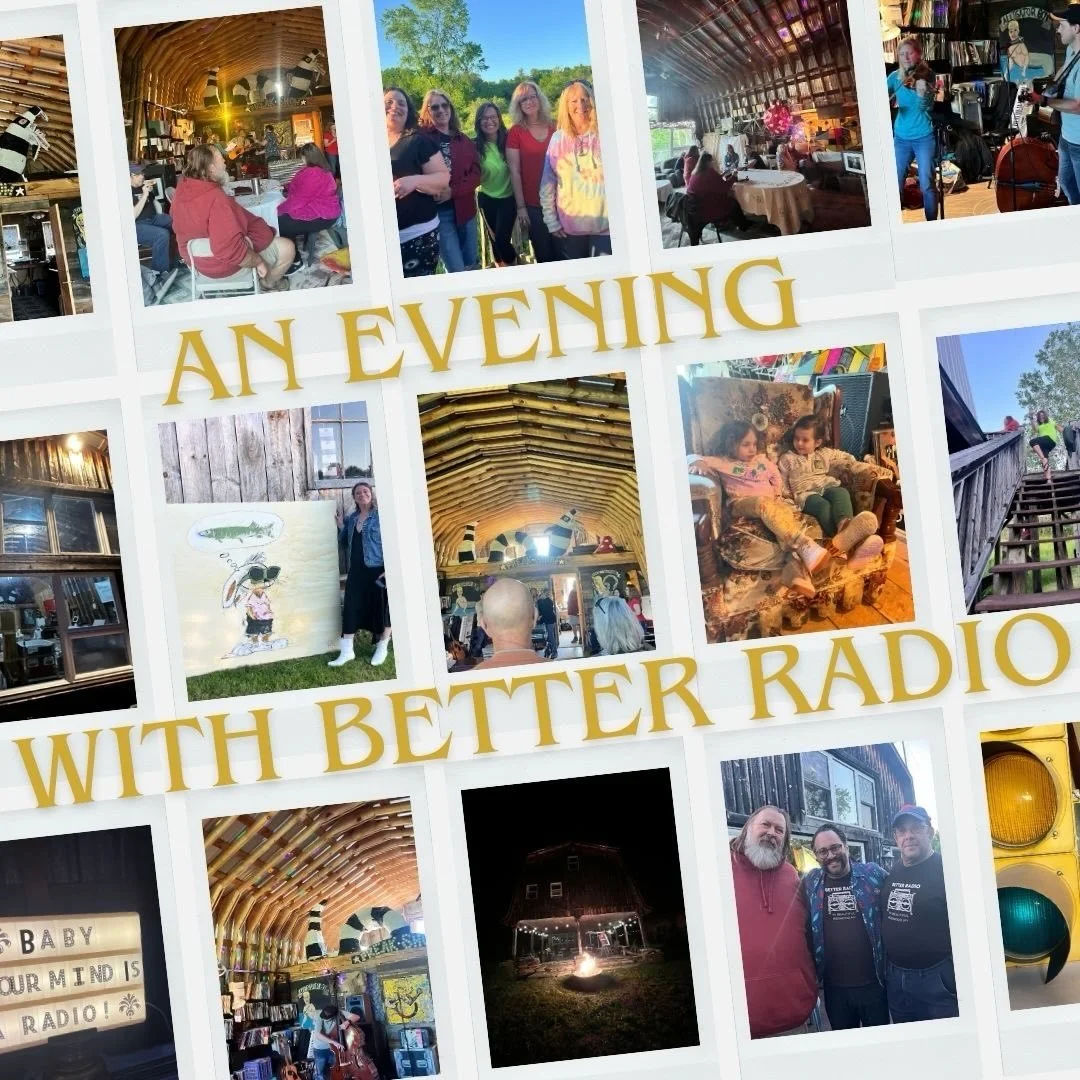
- Annual Open House & Fundraiser Better Farm's annual soiree was a hit this year. The event featured a big gallery showing in our newly renovated Art Barn, performances by several local bands, a group art project that will be installed in downtown Redwood this summer, a raffle, tours of the grounds, backyard cookout, and even some hula hooping, dancing, and a bonfire.
- Volunteering at the Redwood Historical Society Interns Natasha Pietila and Jaci Collins stopped by the Redwood Historical Society a few weeks ago to help clean the building and preserve the local artifacts stored there.
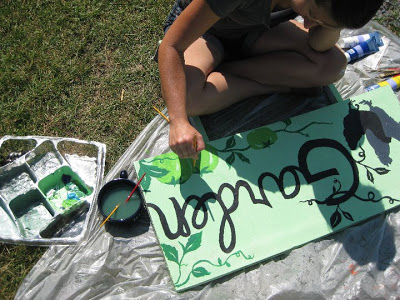
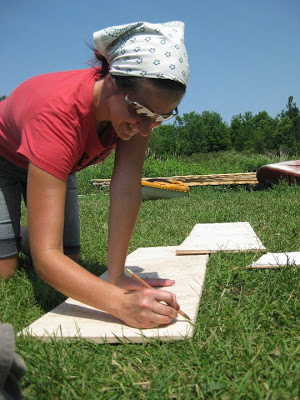
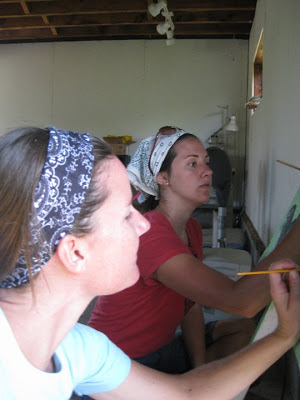
- A Gate for Better Farm's Main Garden Interns Soon Kai Poh, Jaci Collins, Elizabeth Musoke, and Natasha Pietila joined forces with Better Farm's carpenter-extraordinaire in residence Mark Huyser to design and build a brand-new gate for our garden.
- Gallery Opening for Erica Hauser Visiting painter Erica Hauser spent all of June at Better Farm through the betterArts residency program. Her work was wonderful and varied; two points made obvious June 28 when she filled the first floor of Better Farm's art barn with her pieces for the general public to enjoy. Click here for images and the full write-up.
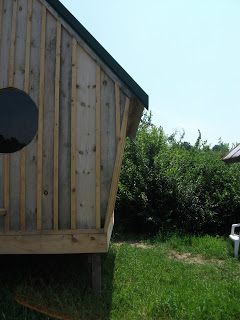
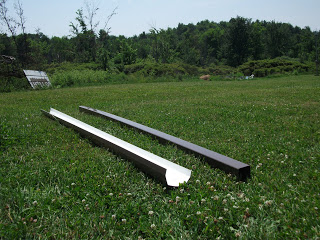
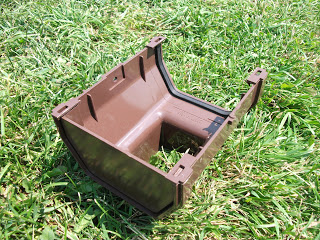
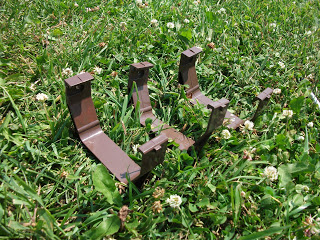
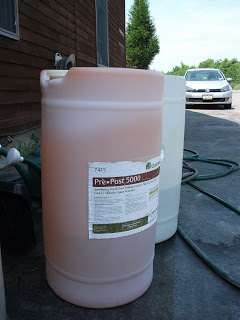
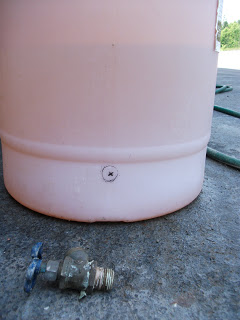
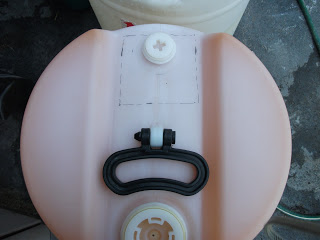
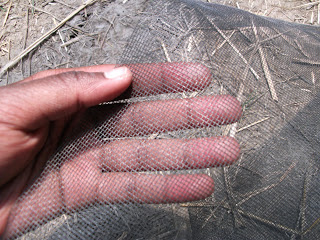
- Rainwater Catchment System for Greenhouse Intern Elizabeth Musoke researched a rainwater harvesting system for Better Farm to implement at the greenhouse. Utilizing a simple gutter system, downspout, and reappropriated plastic barrels, she's put together a harvesting method that will provide plant seedlings plenty of fresh water.
- Mural in the Birdhouse During her stay at Better Farm, Erica Hauser left us with a lovely gift: a four-wall mural in the birdhouse! Click here to see photos of her work.
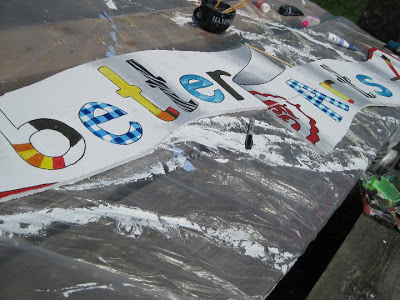
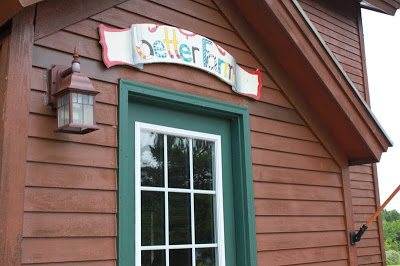
- DIY Projects The interns and WWOOFers have teamed up to put together an herb-drying rack for Better Farm's herbs, several new raised beds for plants and herbs, signage for the Art Barn and garden, homemade breads, and beer and wine.
 
---
What's Good at the Farm Stand

We're installing a permament farm stand at Better Farm next week! Here's a short list of what will be available for sale (contingent on seasonal ripeness and what we've got cooking!):
- Vegetables : Radishes, onions, lima beans, peas, bush beans, cucumbers (all varieties), squash (all varieties), corn, broccoli, cauliflower, kale, lettuce, spinach, cabbage, brussels sprouts, beets, carrots, celery, leeks, pumpkins, and asparagus
- Fruits : Watermelon, canataloupe, raspberries, tomatoes (all varieties), and blueberries
- Herbs : Parsley, oregano, cilantro, basil, dill, amaranth, summer savory, chickory, salsify, chamomile, eucalyptus, mustard greens, chives, and mint
- Baked Goods : Breads, pies, and pastries
- Bath and Body : Biodegradable soaps, shampoos, laundry and dish detergent
- Miscellaneous : As always, we have Better Farm T-shirts and betterArts mugs available for sale (to have one shipped to you, please e-mail info@betterfarm.org).
---
Featured Artists and Upcoming Events
Here's a quick run-down of the artists who've made Better Farm a more creative space so far this summer:
- Joetta Maue is a Brooklyn-based artist who excels in embroidery:
In the last week we've also been fortunate enough to have Marty Weishaar and Meredith Kooi join our ranks as artists-in-residence. We have several art openings and performance pieces scheduled throughout July, August, and September; check back on our blog for times and dates! All events held at Better Farm are free and open to the public.
To learn more about the betterArts residency program, click here.
---
Upcoming Projects
We're in the fundraising stage for a few upcoming projects, namely:
- Installing an exterior staircase to the second floor of the Art Barn
- Constructing a small outbuilding out of straw bales
- The construction of a small outbuilding specifically for Better Farm's interns
- A betterArts project that would offer free music and art lessons with professional teachers to local individuals free of charge
To donate to any of the above causes, please contact us at info@betterfarm.org.
---
Interest Piqued?
Just drop us a line at info@betterfarm.org to learn more, share your ideas, make a donation, or find out other ways you can get involved. Until next time, better be!
|
Share this email:
*|MC:SHARE|*Contact Us:Better Farm
31060 Cottage Hill Road
Redwood, NY 13679
315-482-2536
info@betterfarm.org
|











Connect with us:
 Website
 Facebook
 Blog
Blog
 Merch
Merch