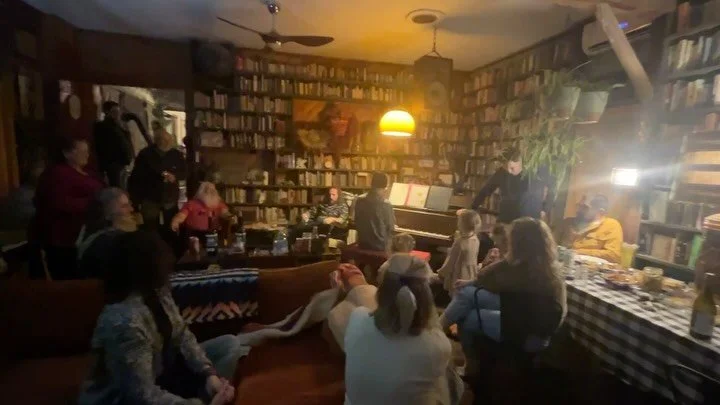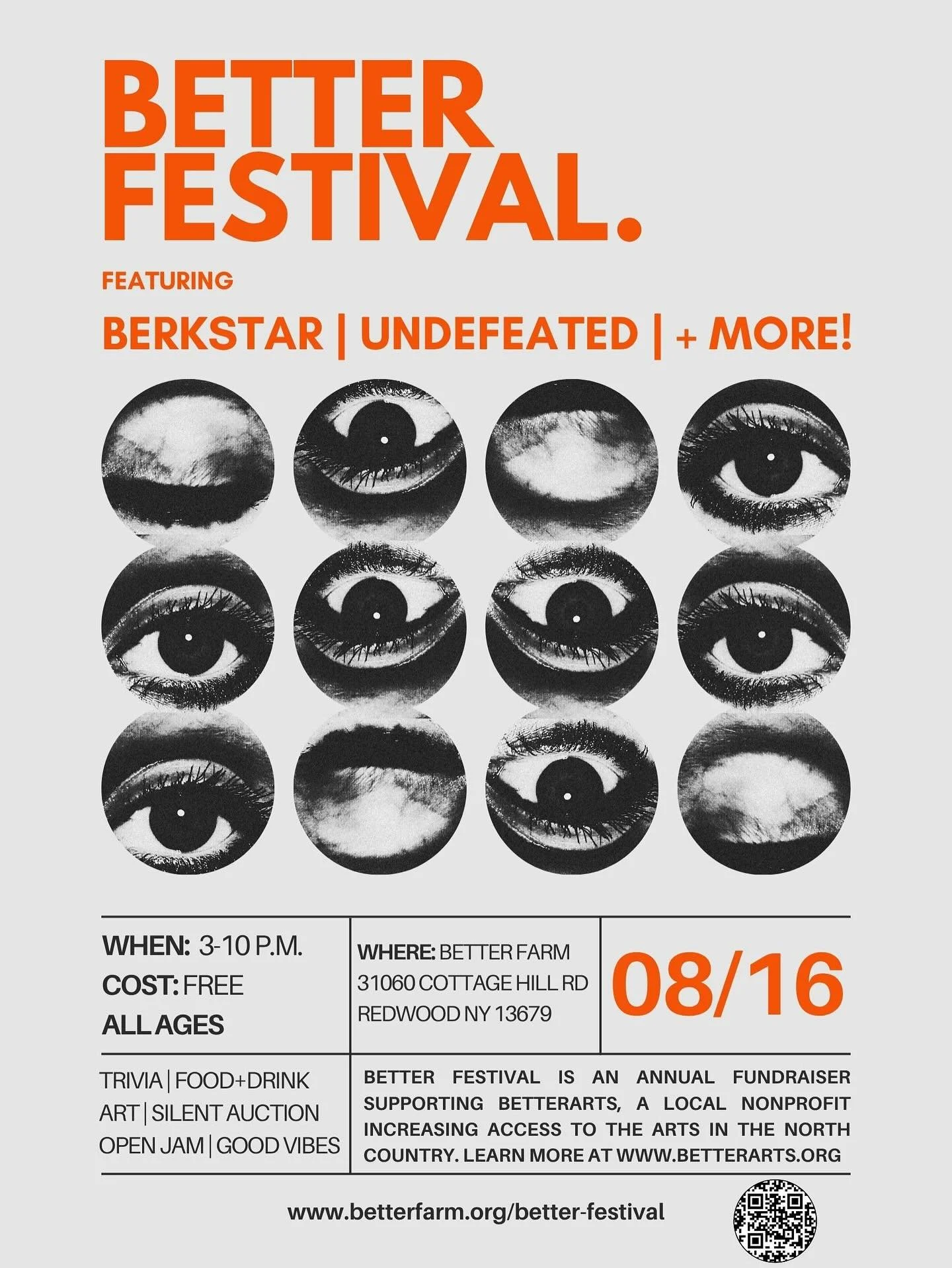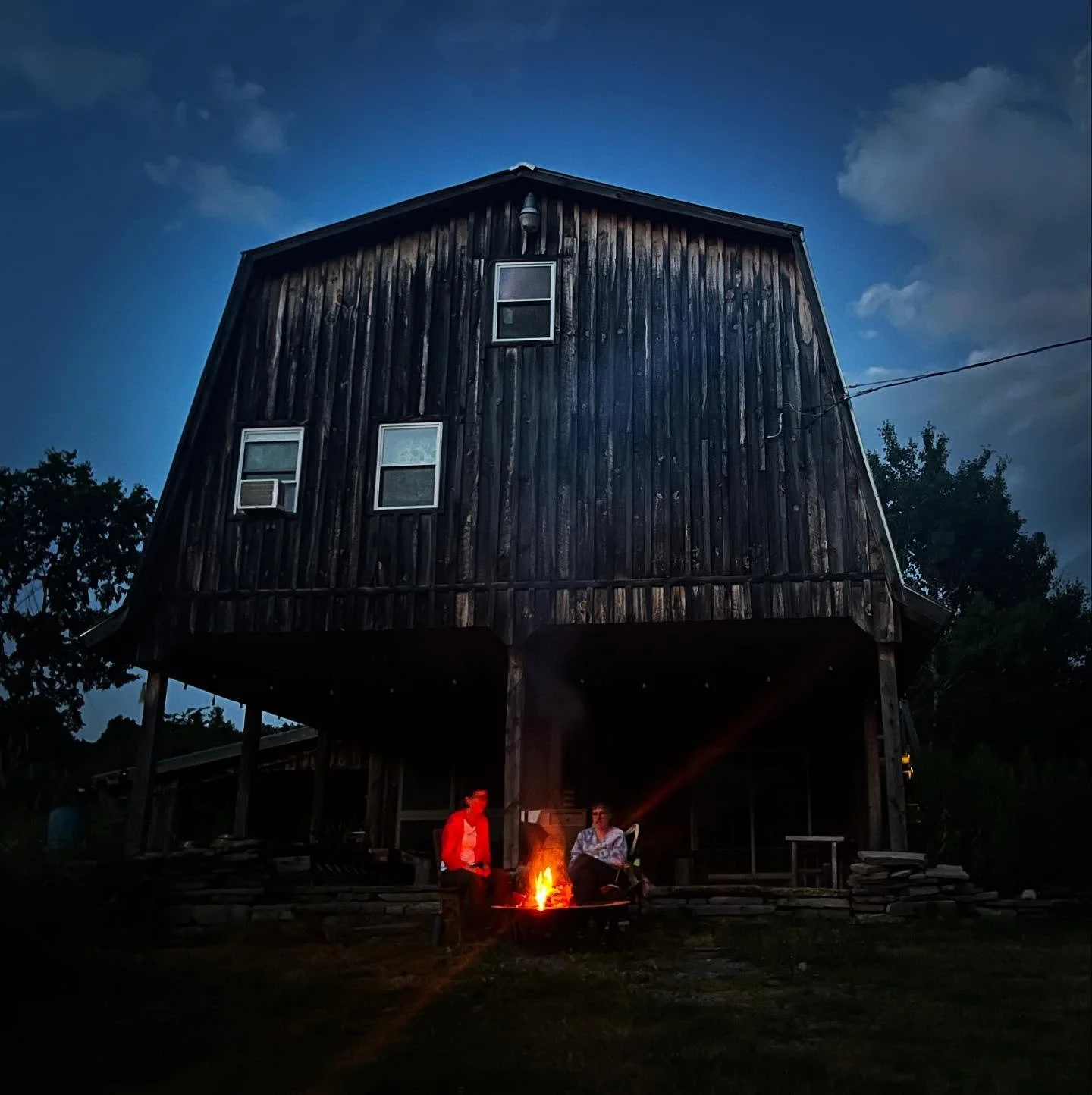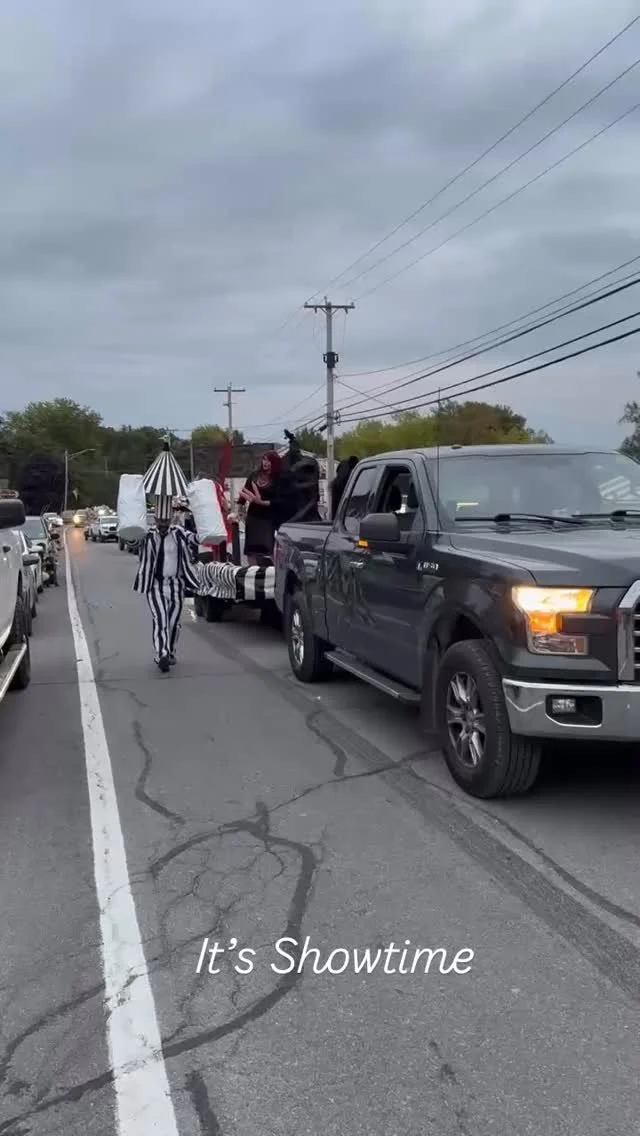

Better Farm Holds First Art Opening
/
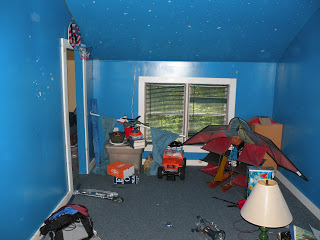
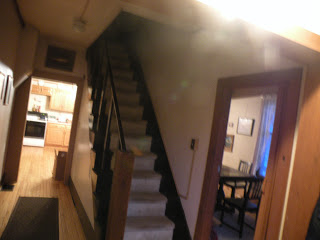
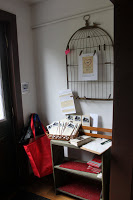
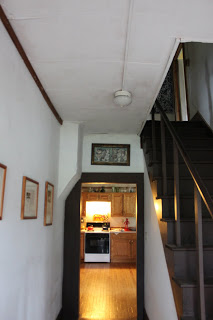
Colleen stayed at the farm throughout June to work on a series of pieces dealing in galaxy and landscape drawings.

More photos after the jump!



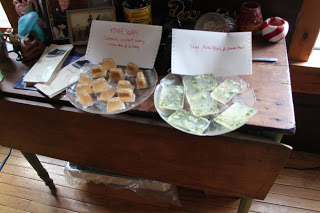
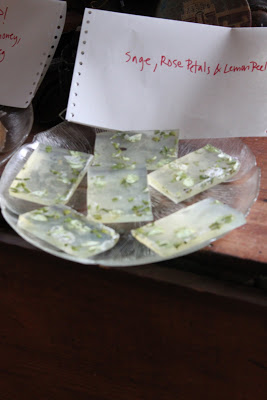


My no-work gardening method is simply to keep a thick mulch of any vegetable matter that rots on both my vegetable and flower garden all year round. As it decays and enriches the soil, I add more. The labor-saving part of my system is that I never plow, spade, sow a cover crop, harrow, hoe, cultivate, weed, water or spray. I use just one fertilizer (cottonseed or soybean meal), and I don't go through that tortuous business of building a compost pile.Stout encourages gardeners to start with eight inches of mulch to ensure no weeds break through. We didn't have that luxury, though we've been compiling compost and stockpiling cardboard and newspaper for the last year. So, we worked with what he had. Here's our own, custom version of Ruth Stout's valuable mulch-gardening technique.


By
The end of last week and beginning of this week have been busy.
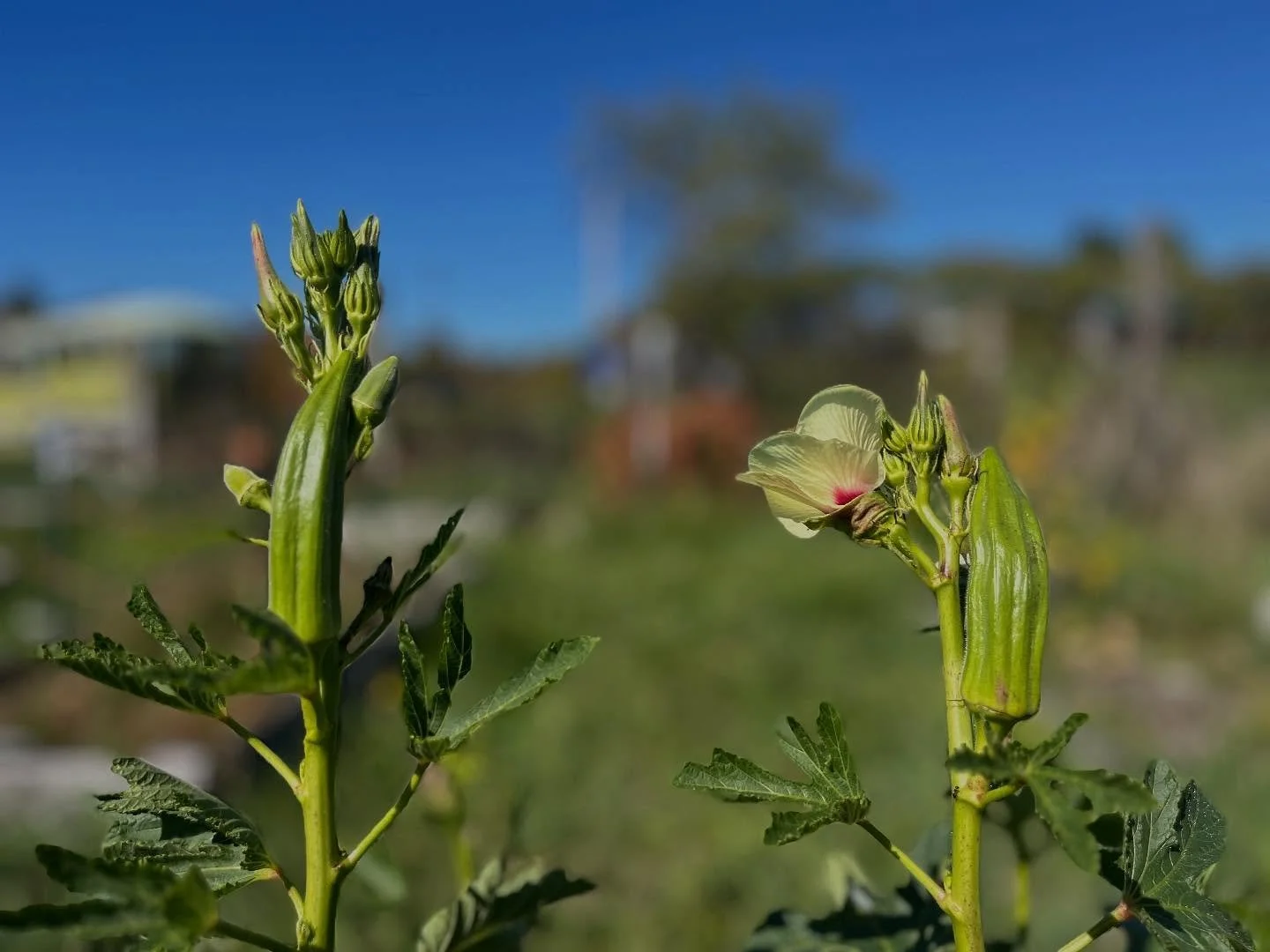
We've been transplanting more from the greenhouse stock. I direct-planted a variety of beans yesterday; and today I finished up some spinach and okra just in time to get inside, away from the rain.
I welcome the rain, and attempted to work in it as long as I could. The small drizzle was no problem; but eventually the sky opened up and rain fell with greater force. The rain still falls as I sit in my window seat a day later writing this post, droplets managing to shift every few moments to follow the winds.
The sky is gray, but it is nice to have rain come right when you need it.
This brings us to the challenges of the farm. When I think about it, there seem to be many different challenges here. Some are day-to-day, and some are larger in scale and in time. There is an overall challenge to this entire operation because we are building and improving an existing structure and landscape with the idea to create a place focused on self-sustained living while having the least negative environmental impact.
After discussing this topic with
, the basic long-term problem is funding for the business of sustainable living on a piece of property that dates back to the late 19
th
century. While the house and land are paid off in full, there are many improvements that must eventually be made. One example is the fuel for the house.
Prior to the “green” era of this communal farm, renovations were made without a thought to sustainability. Convenient options—not green ones—were put in place. The
is fueled by oil, and the
are dependent on propane. While replacing these options are not financially an option now, they are on the list to be made sustainable when the time or the money comes.
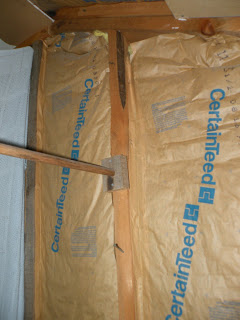
In the meantime, there have been small but significant changes made to the house. The water heater is now
, as is the entire eastern wall of the home and attic. This, along with
smart energy-consumption techniques
has
greatly reduced the energy demand of this 5,000-square-foot house
.
Another example of this is where the farm gets its electricity. Once money is available, they will consider options that will bring the farm further away from the grid by installing
or
power.
Better Farm seeks to be an independent entity that can survive without becoming a nonprofit organization. The goal is to succeed without financial assistance such as grants and become a completely self-sustained and self-sufficient place. This is possible, and the potential for this goal to be reached is realistic, but due mainly to limited funding options it will have to be done over the course of years rather than months.
Originally published at
.
Better Farm last night screened
as the first in an upcoming series of movie nights. Hosted by
and featuring
,
Dirt!
tells the story of the human-dirt relationship. Through the film's explanations of how dirt sustains all living things (food, shelter, water containment and filtration, climate regulation, plant growth, etc.), we also come to understand the link between human and environmental degradation and mistreatment of dirt.
Mass starvation, drought, floods, global warming, wars, and disease are all byproducts of misused or underserved soil, the
contends. And if practices such as
planting and
continue, dirt may just find another use for us humans.
One thing's for sure: The gang here is going to be out in our garden today planting a bunch of organic produce while worshiping that organic matter making all life possible. Long live dirt!
Special thanks to
for organizing this week's
Dirt!
screening.