Seed-Saving 101

Organic cantaloupe from Better Farm's garden, chock-full of seeds ready for saving.
Saving seeds has multiple benefits including continuing a plant's genetic line, increasing biodiversity, and keeping you out of the supermarket while saving you money! Here are a few simple ways to save your own seeds from your best-producing fruits and veggies.

An important note before we start: Most supermarkets carry hybrid fruits like cantaloupes (cucumis meo var. cantalupensis) and the seeds are often sterile. Open-pollinated seeds, however, have no problem reproducing. For this same reason, you want to be careful not to plant many different kinds of the same plant as they are likely to fertilize each other! In order to know which seeds are worth saving, consider the following information we gleaned from Mother Earth Living:
GM seeds, or genetically modified seeds, are seeds that have been created under artificial conditions to meet a specific list of criteria, usually resistance to a package of pesticides and herbicides sold with them. The home gardener is not likely to come across this type of seed because at the moment GM seed is mostly confined to large-scale commercial agriculture. GM seeds are also patented, which means you cannot legally reproduce it unless you pay the maker a royalty. Without belaboring the arguments pro or con about GM seeds, you should avoid buying any seeds that are patented. Most seed packets will state very clearly whether they contain patented material. 
Another type of patented seeds are the F1 hybrids, crosses between different plant species. You cannot save seeds from hybrids because they will not grow true to type. Hybrids are common in seed catalogs everywhere and must be listed as such. After World War II, a few seed companies got the lucrative idea that F1 hybrids were better than traditional seeds and thus began to market them based on perceived benefits, primarily that the cross would have some special trait, such as wilt resistance. More importantly (to the companies marketing them), because you cannot save seeds from F1 hybrids, you have to keep buying new seed. F1 hybrids eventually lose their special traits, and companies must create new ones every few years to adjust for this decline. The seedless watermelon is a good example. It is a patented food because the seeds have been bred out, which is not natural, and the cross is not stable. Indeed, it will produce no viable seed. 
A third type of seed—and the only one you can save—is old-fashioned open-pollinated seed. This means that nature did the pollinating: bees, wind, birds, dew or rain. These seeds are the most “natural,” with no intervention by humans, and can be further divided into heirlooms and nonheirlooms. Heirloom varieties have been around for several generations and have thus proven their worth; they are true hand-me-downs like the tasty and attractive ‘Moon and Stars’ watermelon developed in the 1920s. Nonheirlooms are more recent open-pollinated plants, such as the ‘Green Zebra’ tomato developed in the 1980s, that are heading toward the heirloom category.
How-To
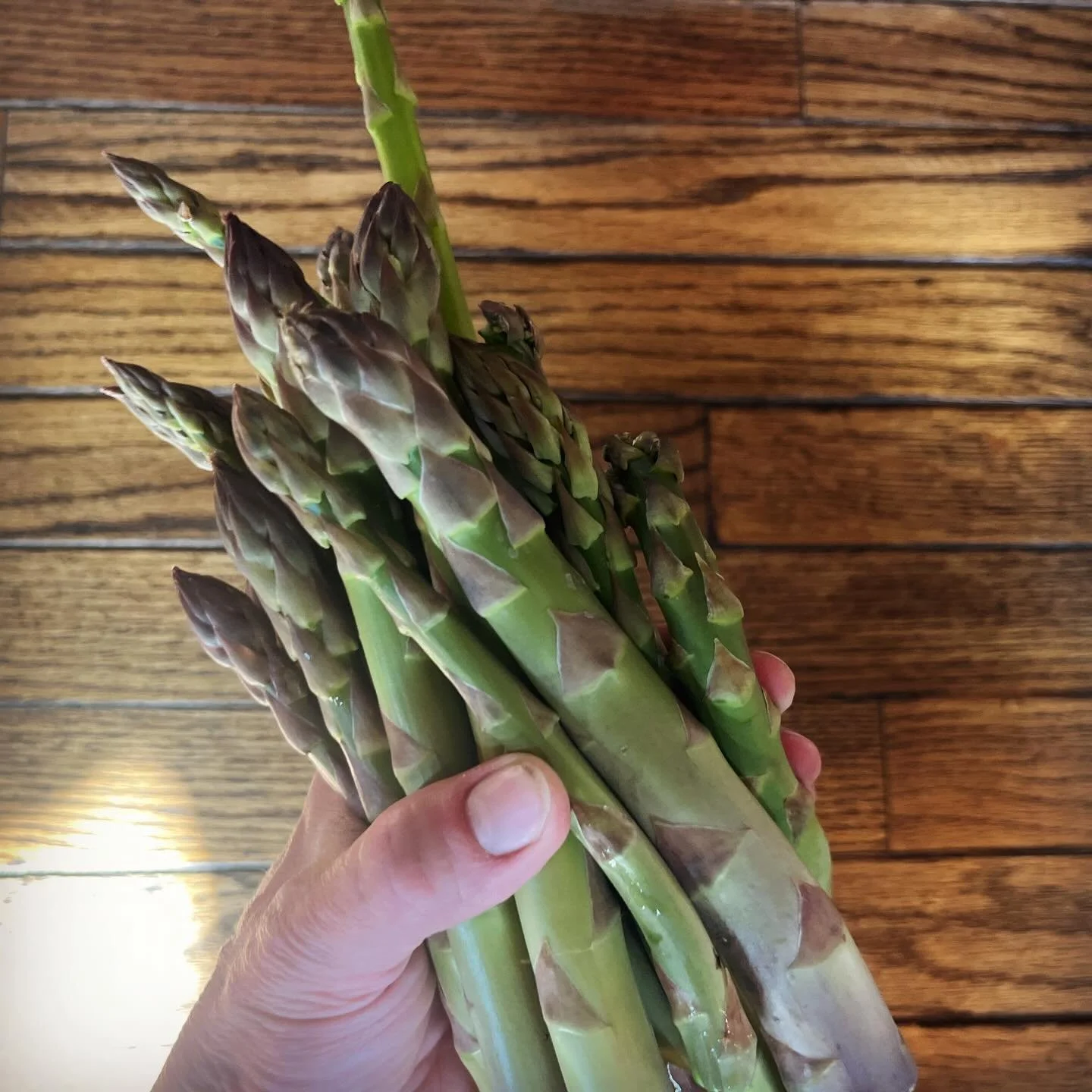
Garden seeds have three camps: annuals produce seeds and die at end of season; biennials (such as beets, carrots and cabbages) bloom and produce seed the following spring as long as you protect them during winter in a frost-free environment; and perennials (i.e. asparagus, horseradish, strawberries and rhubarb) return on their own. We're going to focus on annuals today: specifically, melons, tomatoes, cucumbers and squash.

ANNUALS
Melons  
  • Leave at least one melon (watermelon, caneteloupe, etc.) on the vine until it reaches maturity, as fully ripe meolons will have fully developed seeds.
  • Cut the melon in half and scoop the seeds from the center with a spoon.
  • Rinse the seeds in warm water to separate the juice and pulp from the seeds. Rub the seeds in your hands to help separate the seeds and fruit.
  • Place the seeds in a clean pot or bowl, then cover the seeds with water; the good seeds will stay on the bottom of the pot, while bad seeds and fruit debris will float to the surface.
  • Pour out the water, debris and bad seeds from the top of the pan. Hold your hand over the pan to catch any good seeds that might slip out as you drain the water.
  • Move the seeds to a wire mesh strainer. Run cold water over the seeds, using a sink sprayer hose, to remove any remaining sugar. Turn the seeds frequently to spray all sides.
  • Place the seeds on a clean paper towel and blot with a second paper towel to absorb excess moisture or surface moisture from the seeds.
  • Spread the seeds out to dry on a flat surface, such as a plate or shallow baking pan.
  • Store the seeds in a cool, dry place, such as a basement or refrigerator until ready to plant the following year. Keep the seeds in an air-tight container lined with a paper towel to prevent moisture from getting to the seeds.
 Tomatoes
  • Choose your biggest, most lovely, tastiest tomato and save her seeds. Scoop out the seeds and their gelatinous "goo" into a container. 
  • Add a few tablespoons of water to the seeds and cover the container with a piece of plastic-wrap.
  • Poke holes in the plastic wrap to allow air to enter (this will help foster fermentation).
  • Put the container in a warm location such as a sunny windowsill or on top of your fridge for two to three days.
  • During this time, remove the plastic wrap each night and stir the mixture before replacing the lid. Fermentation will make the liquid look scummy as the seeds separate, while also killing potential tomato diseases. 
  • After two or three days, take off the lid and carefully scrape off the scummy surface with a spoon. Pour the remaining contents through a fine sieve and rince very well.
  • Spread seeds out on a coffee filter or waxed paper and leave the seeds for several days to dry. You will know they are dry when they do not stick to anything.
  • Store your seeds in paper packets or vacuum seal. Make sure your seeds are completely dry before storing to prevent them from harboring mildew and rot!
 Cucumbers
  • Harvest the fruits, then cut them in half lengthwise. 
  • Scoop out the seeds from the center of each half. 
  • Add about as much water to the bowl as the amount of seeds, and set aside in a warm, sheltered spot to ferment, much as you would if you were saving tomato seeds. Fermentation of cucumber seeds can occur in as little as one to three days; once most of the seeds have sunk to the bottom of the container, they are finished fermenting. 
  • Add more water to the bowl at this point to clean your seeds. Debris and bad seeds will float to the top, where you can discard them easily. The good seeds will be at the bottom. 
  • Rinse them a few more times
  • Strain them out and place them on paper towels or uncoated paper plates to dry. 
  • Once they are completely dry, label your seeds and store them in a cool, dry place.
Squash
  • Harvest the squash, cut in half lengthwise, and scoop out seeds.
  • Wash the seeds to remove any flesh and strings. 
  • Lay the seeds out in a single layer on a paper towel to dry. Store them this way in a place that is dry and out of direct sunlight. 
  • Once thoroughly dried, in 3 to 7 days, store them in an envelope in a cool dry place with the rest of your seed supply. Dried squash seeds will store up to 6 years if kept in cool, dry conditions.
1 Comment

Nicole Caldwell

Nicole Caldwell is a self-taught environmentalist, green-living savant and sustainability educator with more than a decade of professional writing experience. She is also the co-founder of Better Farm and president of betterArts. Nicole’s work has been featured in Mother Earth News, Reader’s Digest, Time Out New York, and many other publications. Her first book, Better: The Everyday Art of Sustainable Living, is due out this July through New Society Publishers.

Energy Globe Awards Seek Sustainability Projects

Previous Energy Globe Award winner, Water Category, K2 Eco Tank by FMD Design Studio. This shower-sink collects and filters graywater after use and pumps said water into the toilet tank to be used for flushing.
The Annual Energy Globe Awards, an international competition that rewards innovative projects related to sustainability, is seeking entries before the Oct. 8 deadline.

The objective of the ENERGY GLOBE Award is to present successful sustainable projects to a global audience and to demonstrate that for many environmental problems feasible solutions already exist. Projects submitted from over 160 countries take part each year in the awards.

Click here to see last year's winners!

For 2015 innovative projects and smart technologies from around the world are invited to take part again. Participation is open to projects with focus on resource conservation, improving air and water quality, energy efficiency and renewable energies. But also projects that focus on the creation of awareness in these areas will be eligible to participate.

Every individual, private or public institution, companies, NGOs, etc. can submit a project. The submission is free. The deadline has been extended from September to Oct. 8, 2014.

Why participate?
The best projects will be honored as part of a ceremony that will be broadcast worldwide as well as featured by the international media. International winning projects for the 5 award categories of Earth, Fire, Water, Air, and Youth will also each receive a 10,000 euro cash award.
In each country the best project is awarded the National Energy Globe Award and presented at the global online platform of Energy Globe.

Are you eligible for participation?
Eligible for participation are projects with a focus on saving resources, improving air, soil, or water quality, increasing energy efficiency, using renewables, as well as anyone making a contribution towards the fight against climate change. No project is too small and none is too big!
Projects can be entered by individuals as well as companies, organizations, and public authorities. Several projects may be entered by a single competitor. Entry is free of charge.

How do I submit my project?
  1. Please prepare your project submission by using the checklist as well as the Word document provided by us (DOC, 100 kB).
  2. This is where the online submission of your project can be completed:
    Please click here to submit your project
Click here for more information about the Energy Globe Awards.
Comment

Nicole Caldwell

Nicole Caldwell is a self-taught environmentalist, green-living savant and sustainability educator with more than a decade of professional writing experience. She is also the co-founder of Better Farm and president of betterArts. Nicole’s work has been featured in Mother Earth News, Reader’s Digest, Time Out New York, and many other publications. Her first book, Better: The Everyday Art of Sustainable Living, is due out this July through New Society Publishers.

DIY Soda Can Solar Heater

If you're looking for something to do as the temperatures drop away, why not give this passive solar soda can heater a try? All you'll need is some black spray paint, a bunch of empty aluminum cans, some 2x4s, and a few basic tools.

The solar soda can heater works by bringing in cool air from your home, garage, or shop through an intake hose at the bottom of the unit. Air rises through the system, which is warm from absorbing sunlight. Air comes out the top and back inside through the outtake hose—some bloggers are

reporting at as much as 120 degrees hotter than when it entered

!

We found a few variations on the design from

Hemmings Daily

,

Fair Companies

and

Instructables

. Here's the basic gist; write to us with your variations and photos on the project! And yes, it works: There's even a Canadian company,

Cansolair, Inc.

, selling the things.

Materials

  • 240 aluminum cans

  • 3 - 8 ft. 2x4s

  • 4 ft. x 8 ft. x 1/2 in. sheet of plywood

  • High-temperature silicon

  • 4 ft. x 8 ft. sheet of Plexiglas or Lexan

  • A can of heat-resistant flat black spray paint.

  • Plastic tubing

  • Drill Press with wide drill bits

  • Screws

  • Optional Air Blower (consider a solar-powered unit)

Instructions

  1. Construct a wooden frame out the the 2x4s, approx. 4 ft. wide x 8 ft. high x 3 1/2 in. deep. 

  2. Cut a piece of plywood this size and nail it to the back of the frame.

  3. Drill a hole in the top center of the frame - this is where you'll connect your outlet hose.

  4. Drill a hole in the bottom of the frame - this is where your inlet hose will be connected.

  5. Drill large holes in the tops and bottoms from all the cans except for 16 which will be on the bottom row.  For those, drill the holes in the tops and sides.  Caution! Aluminum cans are sharp - use heavy work gloves or other means to hold them in place as you cut the holes out.

  6. Start placing your cans into the frame.  Create 16 columns of 15 cans each.  Stack them one at at time, sealing them together as you go along.  Make sure the ones with side holes are on the bottom row.  Allow the silicone sealant to cure.

  7. Spray the cans and frame with the heat-resistant flat black paint.

  8. Cover the frame with the sheet of Plexiglas or Lexan.

  9. Cut holes in the side of the building that line up with holes in the top and bottom of the solar panel.  Air will be drawn from the building through the lower hole, which should be just above floor level, and be returned through the upper hole.

  10. Mount the completed panel on the exterior wall of the home.  Alternatively, you might mount the panel in a separate frame that will allow it to be tilted more toward the sun for better exposure.

  11. Install the blower at either the inlet or outlet.  This is not essential, but will increase the efficiency of your solar heater.

This unit allows air to flow all around the cans as it moves through the panel. A more efficient design will force all the air through the inside of the cans.  This will also avoid exposure of the air to the black paint.

Comment

Nicole Caldwell

Nicole Caldwell is a self-taught environmentalist, green-living savant and sustainability educator with more than a decade of professional writing experience. She is also the co-founder of Better Farm and president of betterArts. Nicole’s work has been featured in Mother Earth News, Reader’s Digest, Time Out New York, and many other publications. Her first book, Better: The Everyday Art of Sustainable Living, is due out this July through New Society Publishers.

Coming Soon: Adirondack Regional Art Trail

Image from larac.org
Information  gleaned from the Adirondack North Country Association (ANCA) 

A new collaboration of non-profit organizations are working together to create an Adirondack Regional Arts Trail that will connect the North Country's arts organizations, galleries, theaters, artists and craftspeople through an online platform to help foster a unified identity for arts and artisan businesses across Northern New York.

The trail will produce a comprehensive strategy to highlight the many arts resources (such as betterArts!) across the Adirondack North Country region, as well as provide artists and artistic venues a stronger presence and a dedicated online home to engage with residents and visitors.

Adirondack North Country Association (ANCA), BluSeed Studios, Saranac Lake ArtWorks and Traditional Arts in Upstate New York (TAUNY) recently received a grant award to get the project started. The grant, in the amount of $59,200 from the New York State Council on the Arts was part of the North Country Regional Economic Development Council (REDC) awards announced Dec. 11 by Gov. Andrew Cuomo. 
Those interested in developing, being a part of, or learning more about the Adirondack Regional Art Trail are invited to attended a meeting this Sunday, Sept. 21, at Arts on the Square in Watertown. The event is hosted by TAUNY and the North Country Arts Council for this daylong event that features exhibits, professional development workshops, networking and a presentation about how the Adirondack Regional Art Trail can help support artists in their careers.

Here's all the information:


Sunday, September 21
52 Public Square,
Watertown, NY 13601
RSVP to Jill Breit: jill@tauny.org
(315) 386-4289
 
Agenda:
  •  9 -10 a.m.: Exhibitors set up
  • 10 a.m.-12 p.m.: Literary exhibits, product review focus groups meet
  • 10:30-10:55 a.m.: Industry/ Craft Talk 1*
  • 11-11:25 a.m.: Industry / Craft Talk 2*
  • 11:30-11:55 a.m.: Industry / Craft Talk 3*
  • 12-1 p.m.:  Lunch on your own and networking time 
  • 1-2 p.m:  Presentation on the Adirondack North Country Art Trail— Partners will describe the project, and ask for feedback from the audience about the product being developed
  • 2-3 p.m.: How to Succeed in Art by Really Trying: Artists and Writers on 'Making It'—A panel of local artists and writers offer their insight on achieving success in the art and publishing world.  Moderated discussion with subsequent Q&A.
  • 3-3:30 p.m.:  Artist exhibit breakdown
  • 3:30 - ?   Artist Gathering at the Paddock Club 
The Adirondack Regional Art Trail project is made possible by funding from the New York State Council on the Arts through the REDC process and the project works to strengthen arts entrepreneurship in the 14-county North Country. For more information, click here.

Want to be listed on the Art Trail? Click here to fill out the online form: https://www.surveymonkey.com/s/ADKarttrail


Comment

Nicole Caldwell

Nicole Caldwell is a self-taught environmentalist, green-living savant and sustainability educator with more than a decade of professional writing experience. She is also the co-founder of Better Farm and president of betterArts. Nicole’s work has been featured in Mother Earth News, Reader’s Digest, Time Out New York, and many other publications. Her first book, Better: The Everyday Art of Sustainable Living, is due out this July through New Society Publishers.

Ceramics by betterArts Member Kari Zelson Robertson on Display through 10/31

Clay artist and betterArts board member Kari Zelson Robertson has a pottery show on display at the Thousand Islands Arts Center through Oct. 31 in Clayton, N.Y.

"Clay: Fold and Bend, Cut and Paste" is a gallery showing of Robertson's ceramics work, which includes pieces that have been cut and reconnected, repurposed, and otherwise reimagined. 

"It was great to be able to connect the dots between my work from my Penland Craft School residency during Spring 2014 to some pieces from before and after," Kari says. "An especially meaningful highlight for this show was to connect my work to the history of the Arts Center via interplay between my ceramics and Lucille Landis' textiles. Many of her pieces are included in the permanent collection at the arts center, which, for years, was called The Handweaving Museum. Lucille wrote a few books on weaving, but I have not been able to find very much information on her life. I do know that she found a passion, and learned as much as she could about it, and took the time to share with others. Might we all do the same."

Click here to see a video of Kari discussing her work.

Kari's background in clay began in the early 1980s during undergraduate work. "For me, clay is the perfect material," she says. "It is architectural, sensous, technical, useful, playful. By combining wheel throwing and hand-building, I have a toolbox of techniques from which to choose, depending on which will best help to realize the idea." Kari is a former public-school art educator whose studio is attached to her farmhouse in Northern New York. 
See Kari's work at the Thousand Islands Arts Center, located at 314 John Street in Clayton. For more information, call (315) 686-4123. To contact Kari about her work, email kari.zelson.robertson@gmail.com.
Comment

Nicole Caldwell

Nicole Caldwell is a self-taught environmentalist, green-living savant and sustainability educator with more than a decade of professional writing experience. She is also the co-founder of Better Farm and president of betterArts. Nicole’s work has been featured in Mother Earth News, Reader’s Digest, Time Out New York, and many other publications. Her first book, Better: The Everyday Art of Sustainable Living, is due out this July through New Society Publishers.

Mulch Much? The Benefits of Gardening with Mulch


Gardening with Mulch - Moisture Retention and Yield
Written by


Originally published at Fix.com
One of the easiest ways to ensure success in your garden, especially a vegetable garden, is to incorporate mulching into your garden preparations. This doesn’t have to break the bank, but it will provide you dividends in the abundance of vegetables you will harvest from your garden. Whether you live in the city, country, or suburbia, and whether you have a huge garden, raised beds, or even if you are using pots and containers, mulches are the unsung hero in the garden. 

So Why Mulch?

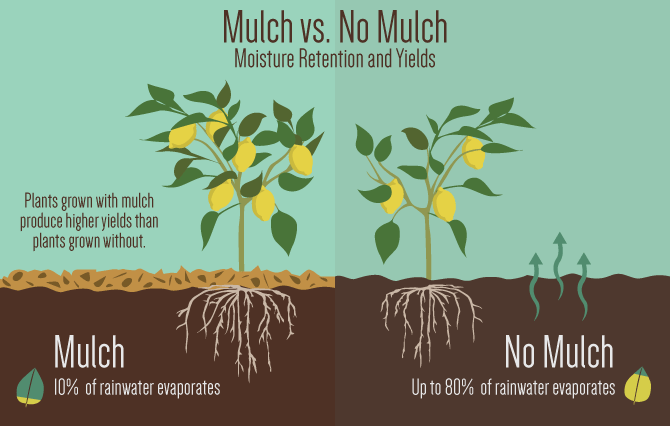
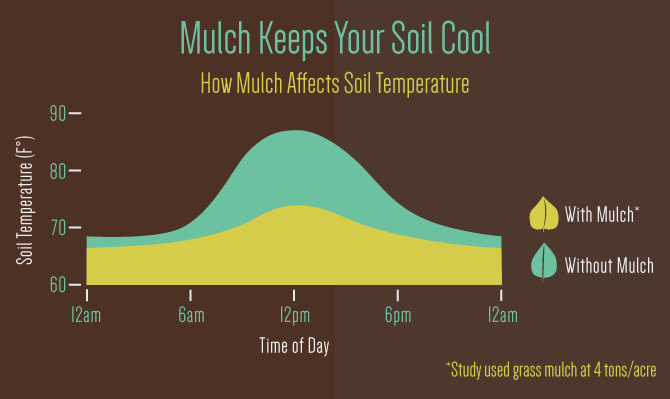
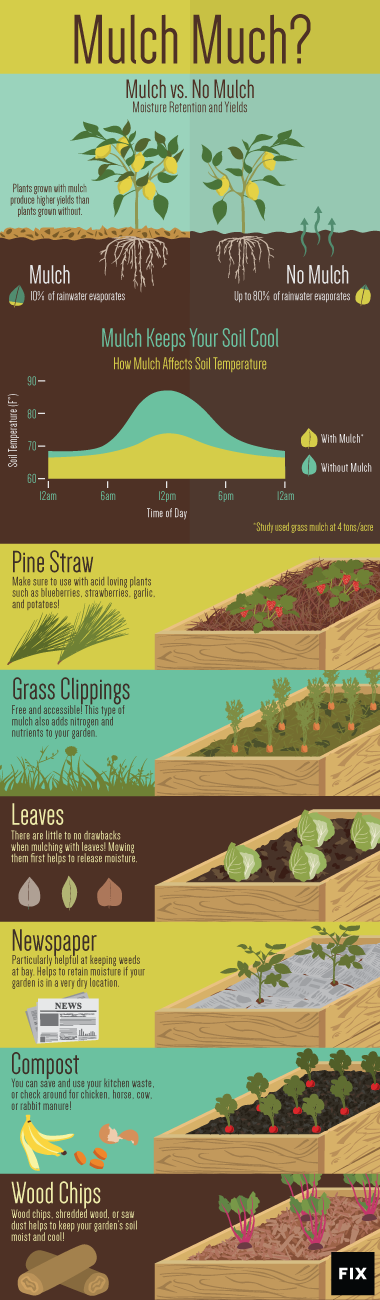
The most basic benefit of mulch is moisture retention. Yields are directly affected by the amount of water in the soil. And, in dryer climates where rainfall is scarce, gardeners will want their soil to retain as much water as possible. Simply by covering the top of the soil in a thin layer of organic material, you will drastically reduce the level of moisture evaporated from the soil. The graphic below shows just how dramatically mulching can reduce evaporation. Mulching can retain up to 80% of added moisture in your soil. When you keep the top of the soil protected from direct heat, it will lose less water, and thus be a better environment for your plants. Great mulch also has the ability to breathe, and not become a place where mold issues arise, which would be unhealthy for plant life.
Compost is technically not mulch, but rather a soil amendment, an additive used to increase soil nutrition. Compost can also be used as a top dressing. It is a very significant component of a great garden, so it is good to keep it in mind as part of your gardening efforts.

Different Types of Mulches

There are many different types of mulch, and some of these cost little to nothing. Some common mulches are pine straw, grass clippings, leaves, newspapers, and wood chips.

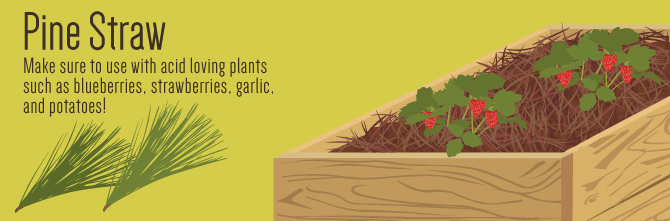
Pine straw makes for fabulous mulch, but you have to make sure you place pine straw near acid-loving plants. In some parts of the country pine straw is an abundant free resource, and is very convenient to collect. Many acid-loving fruits and vegetables benefit from pine straw mulch, including blueberries, strawberries, garlic, tomatoes, and potatoes. A drawback to pine straw mulch is that it can be messy, the color fades very quickly, and it’s very flammable.

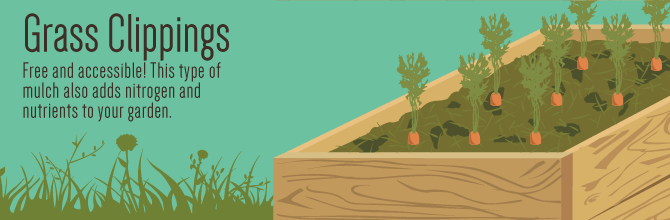
Grass clippings also make fabulous mulch; the best part being that they are free and accessible. Furthermore, you are re-distributing garden and lawn matter to other areas of your garden, which carries the added benefit of providing a place to dispose of that matter. The grass clippings will add nitrogen and much needed nutrients for beneficial microbes that inhabit the soil, which your plants will love.
A word of caution about removing grass clippings from the side of the road: you must be sure that the grass is not chemically laden with fertilizers and pesticides. The only other issue that could crop up is that if the clippings come from a weedy area you may be transferring weeds or undesirable plants unknowingly.

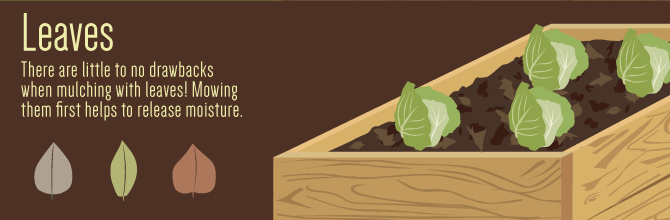
Leaves are a favorite mulch of many gardeners. There are few to no drawbacks when mulching with leaves, and they can be spread to protect your soil during winter months. Oak and maple leaves in particular are popular mulch material because they are plentiful. Mowing over the leaves turns them into shredded mulch, which helps release some moisture, and also makes them easier to spread. Many times, leaves are free for the taking since most folks won’t mind you raking their lawns for them, and that will happily load you up with your fill of mulch!

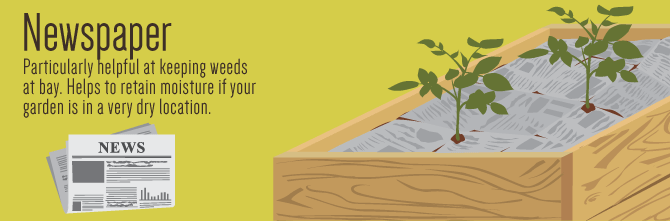
Next up is newspaper. Your first thought might be “ugh!” but there is a place in the garden for non-colored and non-magazine-type newsprint. It’s inexpensive, available, and can often be found at your local recycling bin. Newspaper is a very easy and efficient way to keep weeds at bay as well as assisting to keep the soil moist. It is particularly helpful when you have not been able to amend your soil as well as you would like too, or if your garden plot is in an extremely dry location with lots of drainage. You will want to wet your newspaper down when you use it and you will need to place another type of mulch on top, possibly mixed with some amended soil and compost, to help hold the newspaper down.

Composting is basically decomposing your kitchen trash from fresh foods such as vegetable scraps, egg shells, whole grains, any green growing material, chicken, horse, cow, or rabbit manure (but not household pet waste), and any dried matter in the garden. Often, local horse farms will gladly let you come collect their manure right out of the barns or pastures and in many cases you can barter with friends, neighbors, or your local farmer for chicken or rabbit manure. Rabbit manure can be put straight into the garden and is often referred to as “Gardeners Gold.”

Another mulch option is wood chips, shredded wood, or saw dust; however it is important to note that you should not use treated wood as it is loaded with chemicals and not good for you or your garden. There is debate over whether you should place fresh wood chips in your garden, and popular opinion is on both sides of the fence. Some folks say the fresh wood chips rob the soil of much-needed nitrogen and other folks argue that the fresh wood chips may decrease nitrogen initially but then it cycles back to the soil by naturally breaking down and amending the soil. Whatever you decide in the end, wood is nice and heavy and it will keep the soil moist and cool along with keeping weeds away from your beautiful plants.

Reducing the Cost

You may find mulching to be expensive, and it could be, if your garden is large and you don’t have any of the six mulches above at your disposal. But many communities have options for free mulch: some communities have yard debris recycling programs that turn debris into mulch, allowing citizens to gather it for free or a very small cost. Sometimes tree companies give away shredded branches as mulch. Landfills may have some free mulch options as well. Check online forums and hardware store bulletin boards for options in your local area. Mulching is probably not out of your reach.

Storing Mulch

When gathering mulch in the fall or winter when it is more readily available, you need to address storing the mulch for spring and summer use. The most important issue when storing mulch is to keep it dry. If the mulch is completely dry then you could store it in plastic bins, trash bags, or trash cans. If the mulch is not dry then your next best option would be to pile it up in the yard in an out-of-the-way location and turn it frequently until it dries out, then store in bins or bags.

Placing Mulch in the Garden

Placing mulch in the garden should be done very strategically. For example, wait until most of your seedlings sprout through the top soil: this allows time for any volunteers to poke through the ground, for transplanting elsewhere in the garden. It is also a good idea to add more mulch halfway through the gardening season and to spot-check your gardening areas from time to time so you can ensure the soil for your plants is staying moist.
Mulch is an often-free, valuable resource for the success of a garden. It keeps your roots moist, adds beneficial nutrients to the soil, and can really make the difference to an abundant garden. Take the time to experiment with different mulches, keeping note of which mulches work best with your plants. Also, to have your garden soil tested, contact your local agricultural extension office or check out our soil testing article, to make sure you are using the ideal mulch for your garden.
To sum up, it pays to consider the best mulch option for your garden situation and conditions. Consider your soil requirements, your space requirements and your wallet. Your payoff is in abundant plant production. I wish you much success as you add beneficial nutrients and just the right amount of ongoing moisture by using mulch.
Have you mulched much lately?

Karen Lynn is a gardener and beekeeper, who writes for Lil’ Suburban Homestead. She previously wrote for Frugal Families.com, and has been featured on several popular blogs. She is a Homestead Bloggers Network Contributor, as well been featured by Scratch Magazine.
1 Comment

Nicole Caldwell

Nicole Caldwell is a self-taught environmentalist, green-living savant and sustainability educator with more than a decade of professional writing experience. She is also the co-founder of Better Farm and president of betterArts. Nicole’s work has been featured in Mother Earth News, Reader’s Digest, Time Out New York, and many other publications. Her first book, Better: The Everyday Art of Sustainable Living, is due out this July through New Society Publishers.

Succession Planting/Second-Season Farming


Broccoli seedlings in planters on the front deck. These babies will be moved to the greenhouse when the weather turns.
Gardeners in the north may not have the climate conditions of our neighbors down south that allow them to essentially harvest vegetables year-round, but we can adopt a method known as “succession planting” to maximize our yield.

Succession planting is the rotation of crops and recycling of space; it allows gardeners to pull out spent vegetables and replant new ones, and it can increase total yields and improve the quality of vegetables.


Hardiness zones, ranging from 1 to 10 (lowest to highest temperatures), designate which plants are capable of thriving in a particular location. According to the USDA Plant Hardiness Zone Map, upstate New York is zones 3 to 6, meaning that plants should be grown that can withstand temperatures of -40 °F to -5 °F. Crops that can grow well under these conditions include arugula, broccoli, cilantro, kale, lettuce, peas, and spinach. Plant them in July or early August and they will be ready for harvest from September to November.

Eliot Coleman, gardening guru and author of The Winter Harvest Handbook, states, “If farmed intensively, a small area of land can be very productive. The key to increased productivity is to make better year-round use of every square foot.”

4 tips for successful succession planting:
  • Once plants start to wilt, pull them out and replant them using all of the available space. (Then compost the old plants!)
  • It’s important to keep the soil moist. If it dries out, the seeds may die and you will have to start over. As a general rule, seeds planted in the late summer should be sown twice as deep as in the spring. Installing shade nets or using natural trellises and tall plants can shade new plants from the sun.
  • Choose plants that thrive in cool temperatures, such as arugula, beets, broccoli, carrots, kale, lettuce, spinach, and all kinds of Asian greens. Pick varieties that are disease-resistant and mature quickly.
  • Because cooler temperatures and shorter days slow plant growth, add an extra 14 days to the days-to-maturity figure on the seed packet to find your summer planting date. When cold weather arrives, cover plants with garden fabric or use a cold frame to protect them.
At Better Farm, we've replanted lettuce, spinach, wheat grass, peas, and broccoli; while continuing our indoor aquaponics and hydroponics setups with tomatoes and salad greens. Stay tuned for more photos of our progress!

For a great guide on what to plant and when for your hardiness zone, click here.


Garden Goes Berserk; Bulk Food Orders Now Available!

Sweet potato squash!
Better Farm's gardens are literally bursting forth with delicious, fresh produce—which means we're now taking discounted orders for organic food that's available for delivery, pick-up, or pick-your-own on a one-time, weekly, or daily basis.

Look at all this beauty!
Organic, heirloom tomatoes: perfect for sauces, salads, sandwiches, and more!
Tomatoes, onions (red, white, yellow), garlic
White Scallop Squash
We are offering a pick-your-own bag sale, in which you can fill a grocery bag with as much produce as you can pick for $15. Or, place an order now for up to 50-percent off bulk rates of the following organic produce items:
  • Apples (heirloom)
  • Beets
  • Borage (edible flowers, great as garnishes)
  • Chives
  • Cilantro
  • Corn
  • Elderberries (frozen)
  • Kale 
  • Leeks
  • Lemon Balm
  • Lemon Cucumbers
  • Lettuce 
  • Mint
  • Nasturtium
  • Onions
  • Oregano (giant red, standard)
  • Pumpkins
  • Raspberries
  • Rhubarb
  • Soybeans (Edamame)
  • String Beans
  • Sweet Potato Squash
  • Swiss Chard
  • Wheat Grass
  • White Scallop Squash
 Place your orders or set up a pick-your-own visit by calling (315) 482-2536 or emailing info@betterfarm.org.
Comment

Nicole Caldwell

Nicole Caldwell is a self-taught environmentalist, green-living savant and sustainability educator with more than a decade of professional writing experience. She is also the co-founder of Better Farm and president of betterArts. Nicole’s work has been featured in Mother Earth News, Reader’s Digest, Time Out New York, and many other publications. Her first book, Better: The Everyday Art of Sustainable Living, is due out this July through New Society Publishers.

Better Farm to be Featured in 'Ways of Living' Documentary

Jessica Watkins, left, and Harper Cowan, documentary filmmakers for upcoming film Ways of Living.
Better Farm is to be featured in an upcoming documentary, with filming at the farm commencing this Friday.

The documentary, Ways of Living, follows a road trip around America in search of alternative and sustainable ways of life. The focus is love, posi vibes, living freely, wide open hearts, harming nothing. The film—due out this winter and produced by filmmakers Jessica Watkins and Harper Cowan—explores alternative technologies and sustainable practices, and features interviews with all sorts of people—artists, musicians, farmers, commune dwellers, earth ship builders and the like!

The documentary is a part of a larger collaborative project called ANIMA RISING, the scope of which utilizes websites, a blog, and documentary film to produce creative content that raises consciousness, increases awareness, and inspires viewers to think—and live—outside the box.

Next stop for the filmmakers is Better Farm, where we'll treat our visitors on Saturday to a classic Better Farm family dinner party, work in the gardens, tours of the grounds, information on the cultural outreach work of sister organization betterArts, sing-a-longs, storytelling, and the opportunity to meet all of you who make this place great.

Here's the official trailer for the documentary Ways of Living:

Learn more:
Been touched by Better Farm? Want to be featured this weekend? Email us at info@betterfarm.
Comment

Nicole Caldwell

Nicole Caldwell is a self-taught environmentalist, green-living savant and sustainability educator with more than a decade of professional writing experience. She is also the co-founder of Better Farm and president of betterArts. Nicole’s work has been featured in Mother Earth News, Reader’s Digest, Time Out New York, and many other publications. Her first book, Better: The Everyday Art of Sustainable Living, is due out this July through New Society Publishers.

Beyond the Garden Gates: Wild Plant Classification Part II

 By Allison Bachner
This is the conclusion of sustainability student Allison Bachner's two-part wild plant classification study. For Part I, click here.


We're continuing today with wild plant classifications as discovered on the Better Farm campus. Putting aside their pesky tendency to pop up in the garden rows, wild plants have value that make them well worth knowing. Here is the second installment of plants I discovered in the wilds of Better Farm.

Cattail
The cattail is one of the most important and common wild foods, with a variety of uses at different times of the year. Whatever you call it, a stand of cattails is as close as you'll get to finding a wild supermarket. In spring, the cattail shoot has an odorless, tender, white, inner core that tastes sweet, mild, and pleasant. None of cattails' look-a-likes grows more than a few feet tall, so by mid-spring, the much larger cattail becomes unmistakable, even for beginners. They grow in marshes, swamps, ditches, and stagnant water—fresh or slightly brackish—worldwide. Finding them is a sure sign of water. Every part of a cattail has a practical use. The plant is easy to harvest, very tasty, and highly nutritious. It was a major staple for Native Americans. "Settlers" missed out when they ignored this great food and destroyed its habitats, instead of cultivating it. Before the flower forms, the shoots— prized as "Cossack's asparagus" in Russia—are fantastic. You can peel and eat them well into the summer; and will quickly discover they taste like a combination of tender zucchini and cucumbers (they're great in salads, soups, stir-fries, and sandwiches). You'll get the best yield just before the flowers begin to develop. A few huge, late-spring stalks provide enough delicious food for a meal. Some stalks grow tall, and become inedibly fibrous with developing flowers by late spring, although just before the summer solstice, you can often gather tender shoots, immature flower heads, and pollen at the same time. You can also clip off and eat the male portions of the immature, green, flower head. Steam or simmer it for ten minutes. It tastes vaguely like its distant relative, corn, and there's even a central cob-like core. Because it's dry, serve it with a topping of sauce, seasoned oil, or butter. When the male flowers ripen, just before the summer solstice, they produce considerable quantities of golden pollen. People pay outrageous prices in health stores for tiny capsules of the bee pollen—a source of minerals, enzymes, protein, and energy. Cattail pollen beats the commercial variety in flavor, energy content, freshness, nutrition, and price. To collect the pollen in its short season, wait for a few calm days, so your harvest isn't scattered by wind. Bend the flower heads into a large paper bag and shake it gently. Keep the bag's opening as narrow as possible, so the pollen won't blow away. Sift out the trash, and use the pollen as golden flour in baking breads, muffins, pancakes, or waffles. It doesn't rise, and it's time-consuming to collect in quantity, so generally mix it with at least three times as much whole-grain flour. You can also eat the pollen raw, sprinkled on yogurt, fruit shakes, oatmeal, and salads. Jelly from between a cattail's young leaves can be applied to wounds, sores, boils, carbuncles, external inflammations, and boils to soothe pain. (From Wild Man Steve Brill .)

New England Aster
Native American tribes on burning the flowers and leaves that is interesting, the smoke being used in Inipi (sweat lodge) Ceremonies, to revive the unconscious, to treat mental illness, nosebleeds, headaches, congestion, for smudging and as an additive to Kinnickkinnick smoking mixtures. The dried blossoms were also snuffed for similar purposes, or the vapor inhaled as a steam. Aster tea was used to treat earache, relieve gas pains, stomach aches and fevers. The flowers and roots were both commonly used.  (From Herb Craft.)

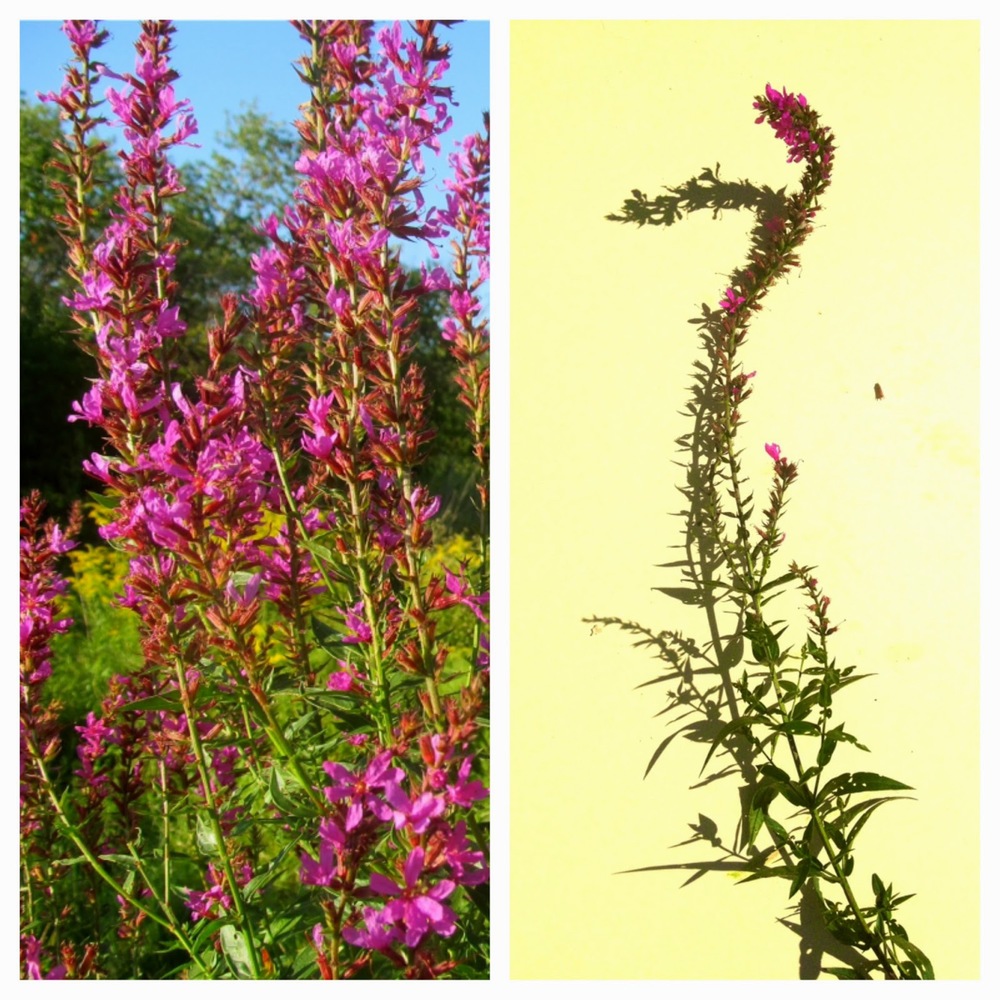
Purple Loosestrife
Purple Loosestrife possesses four principles: resin, resinoid, tannin, and alkaloid; and its properties are alterative, antispasmodic, diuretic, astringent, anti-febrifuge, tonic, and demulcent. Loosestrife is employed chiefly in fevers and hepatic derangements, constipation, diarrhea, dysentery, cholera infantum, cholera morbus, malignant cholera, hemorrhages or bleedings of all kinds, leucorrhosa, old wounds, sores, clouded vision, and so on. The whole plant is used either alone or combined with others of a palliative or soothing character. Purple Loosestrife may justly be considered one of the most valuable of all vegetable astringents yet known to man. It is its astringent effects on the mucous surfaces that renders it a most valuable remedy in fevers, especially typhoid; and in hepatic derangements of the liver and biliary ducts. In constipation it is a most useful herb to remedy that condition, as, by its promoting the secretive powers of the mucous surfaces and its astringent quality strengthening the muscular parts of the intestinal walls, it gives tone and energy to them, and by that means tends to remove constipation. It is also a useful agent in relaxation of the bowels, because of its powers of correcting acid accumulations in the stomach and intestines. These statements with regard to its utility in the treatment of the two opposite conditions—diarrhoea and constipation—may seem erroneous and inconsistent, but they are correct. (From Henriette's Herb.) An ointment may be made with the water 1 OZ. to 2 drachms of May butter without salt, and the same quantity of sugar and wax boiled gently together. It cleanses and heals ulcers and sores, if washed with the water, or covered with the leaves, green or dry according to the season. A warm gargle and drink cures quinsy or a scrofulous throat. (From Botanical)

Joe-Pye Weed
Joe-Pye Weed has been used for ages as a diuretic, stimulant, tonic, astringent and relaxant. This plant offers a terrific remedy for gravel in the gallbladder; and can dissolves stones while healing chronic urinary and kidney disorders. The plant can help with bed-wetting, poor appetite, dropsy, neuralgia and rheumatism. Joe-Pye is also very soothing and will relax the nerves. Combined with uva ursi, marshmallow, blue cohosh and lily root, it can help deter female troubles, bladder and kidney infections, diabetes, and Bright’s disease. The plant has also been used for headache, hysteria, impotence, indigestion, intermittent fever, sciatica, sore throat, urine retention, vomiting, asthma, chronic coughs, colds and typhus fever. Cough syrup can easily be made out of Joe-Pye Weed by steeping and boiling down blossoms and leaves, adding molasses, and boiling the whole mixture into a syrup.

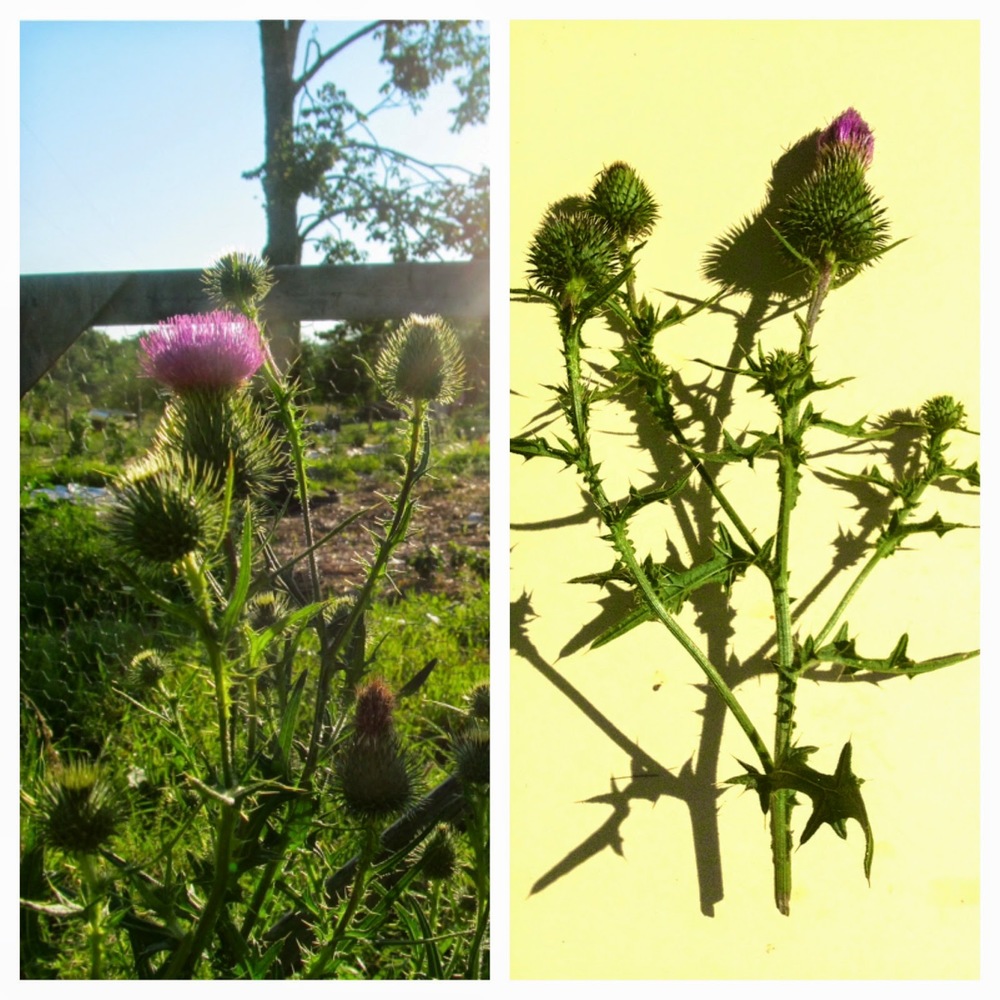
Thistle
All parts of a thistle plant can be used for culinary and medicinal purposes, including the root, leaves, flowery tops and seeds. According to the beliefs of many Native Americans, any object that sticks or pricks an individual will also alleviate the hurt when an ointment prepared with the same substance is applied on the affected area. In Traditional Chinese Medicine, different types of thistles are used to prepare decoctions to alleviate inflammation. In addition, an infusion prepared with the leaves and roots of common thistle is believed to heal stiff neck, seizures and nervous disorders. Common thistle roots have been employed as a poultice and a decoction prepared using the plant too is used as a poultice to treat aching jaws. A hot infusion prepared with the whole common thistle plant has been traditionally used to treat rheumatic joint pains and bleeding piles. The inner bark of common thistle yields a fiber sometimes used in paper manufacture. High-quality oil can be obtained by extracting the seeds of different species of thistles. The thistle down is excellent as firewood which can be lit without difficulty even by a spark from a stone. In addition, the Cherokee, a Native American tribe, used the down of the plant for the tail on blow guns. Tender leaves of the plant can be soaked overnight in saline water and cooked for consumption. Leaves of common thistle may also be added to salads after thorns are removed. Even the roots of common thistle are cooked and they have a flavour akin to Jerusalem artichoke. In addition to consuming the roots fresh, they may also be dried and stored for use when necessary. Some people also cook and use the young flower stems of common thistle as a vegetable. Even the flower buds of the plant are brought to culinary use. These flower buds are used akin to round artichokes, but they are comparatively small and even more difficult to prepare. The dehydrated thistle flowers are used as a rennet alternative to curdle plant milks. At times, even the seeds of thistle are roasted and consumed by some people. (From Herbs 2000.)

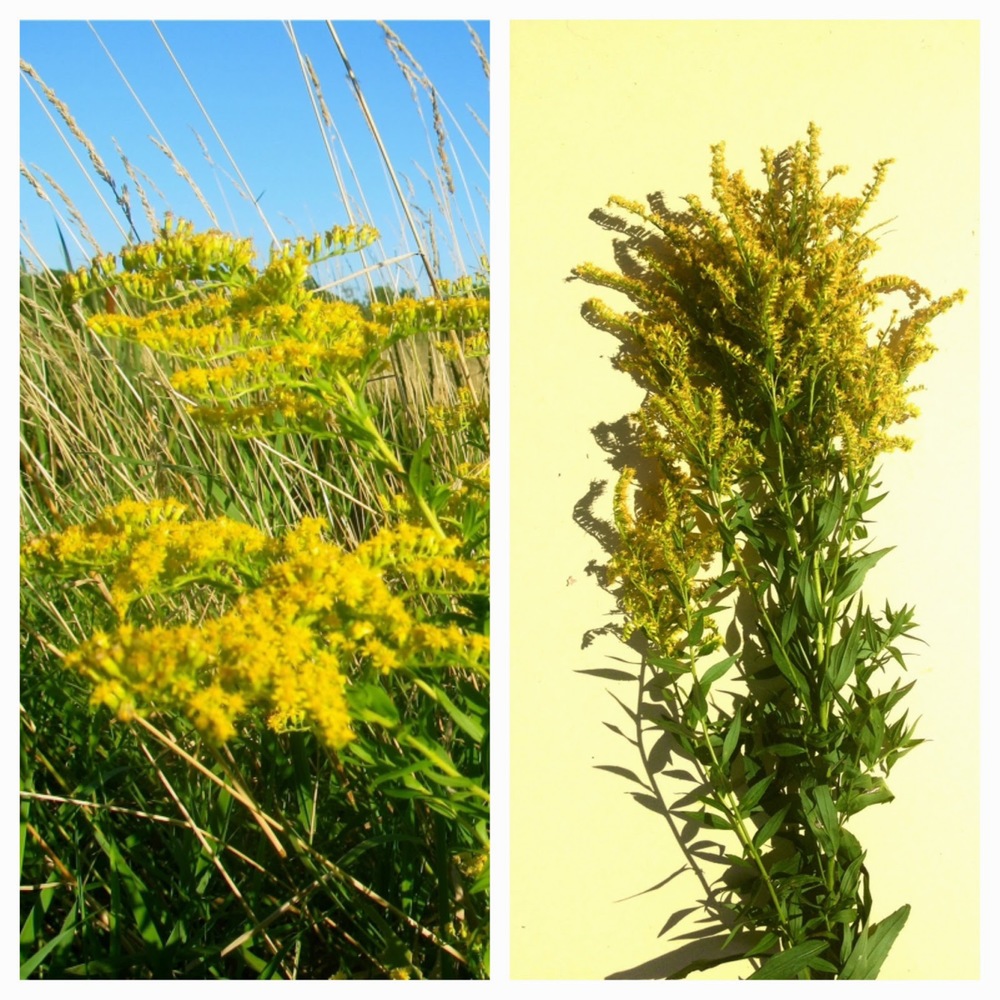
Goldenrod
The species Solidago canadensis and S. odora are considered the most medicinal (and the tastiest) of goldenrod, but all species of goldenrod are safe and beneficial and can be used to help the immune system get ready for winter. Goldenrod tonics are easy to make. Harvest any goldenrod by cutting the top third of the plant in full flower on a sunny fall day. Or, respectfully pull the entire plant, roots and all, in the late autumn or early winter. Then follow these simple directions. Note: You can use any size jar when making a vinegar or a tincture, so long as you fill it full. To dry flowering goldenrod: Bundle 2-3 stalks together and hang upside down in a cool, shady room until thoroughly dry. When the stalks snap crisply, store the dried herb in brown paper bags. One or two large handfuls of crushed leaves and flowers, steeped in a quart of boiling water for thirty minutes makes a tea that can be used hot, with honey, to counter allergies (especially pollen allergies), fevers, sore throats, coughs, colds and the flu; or taken cold to relieve colic in babies, and gas in adults. Dried mint and/or yarrow are tasty, and useful, additions when making goldenrod flower tea. To dry goldenrod roots: Rinse dirt off the roots, then cut away all the stalks, leaves and dead flowers. If possible, hang your roots over a woodstove to dry; if not, place them on racks and put them in a warm place to dry until brittle. Store in glass jars. Depending on the difficulty you are addressing, goldenrod root tea may be made with large or small amounts of the roots brewed or decocted in boiling water. Or the roots may be powdered, alone or mixed with flowers, and applied to hard-to-heal wounds and sore joints. To make a goldenrod vinegar: Chop the goldenrod coarsely, filling a jar with chopped flowers, leaves, stalks (and roots if you have them); then fill the jar to the top with room-temperature, pasteurized, apple cider vinegar. Cap it tightly with a plastic lid. (Metal lids will be eroded by the action of the vinegar. If you must use one, protect it with several layers of plastic between it and the vinegar.) Be sure to label your vinegar with the date and contents. Your goldenrod vinegar will be ready to use in six weeks to improve mineral balance, help prevent kidney stones, eliminate flatulence, and improve immune functioning. To make a goldenrod tincture: Chop the goldenrod coarsely, filling a jar with chopped flowers, leaves, stalks (and roots if you have them); then add 100 proof vodka, filling the jar to the very top. Cap tightly and label. Your goldenrod tincture will be ready to use in six weeks, by the dropperful, as an anti-inflammatory, a sweat-inducing cold cure, and an astringent digestive aid. Medical herbalists use large doses (up to 4 dropperfuls at a time) of goldenrod tincture several times daily to treat kidney problems -- including nephritis, hemorrhage, kidney stones, and inability to void -- and prostate problems, including frequent urination. The colonists called goldenrod tea "Liberty Tea," for they drank it instead of black tea after the Boston Tea Party. In fact, Liberty Tea proved so popular, it was exported to China! Let goldenrod liberate you, too. Herbal medicine is people's medicine, a gift from Mama Earth to us. (From Susun Weed.)

Queen Anne's Lace
Also called wild carrot, Queen Anne's Lace has many medicinal properties. The wild carrot is an aromatic herb that acts as a diuretic, soothes the digestive tract and stimulates the uterus. A wonderfully cleansing medicine, it supports the liver, stimulates the flow of urine and the removal of waste by the kidneys. An infusion is used in the treatment of various complaints including digestive disorders, kidney and bladder diseases and in the treatment of dropsy. An infusion of the leaves has been used to counter cystitis and kidney stone formation, and to diminish stones that have already formed. Carrot leaves contain significant amounts of porphyrins, which stimulate the pituitary gland and lead to the release of increased levels of sex hormones. The plant is harvested in July and dried for later use. A warm water infusion of the flowers has been used in the treatment of diabetes. The grated raw root, especially of the cultivated forms, is used as a remedy for threadworms. The root is also used to encourage delayed menstruation. The root of the wild plant can induce uterine contractions and so should not be used by pregnant women. A tea made from the roots is diuretic and has been used in the treatment of urinary stones. An infusion is used in the treatment of oedema, flatulent indigestion and menstrual problems. The seed is a traditional 'morning after' contraceptive and there is some evidence to uphold this belief. It requires further investigation. Carrot seeds can be abortifacient and so should not be used by pregnant women. Ancient folk lore said that to cure epileptic seizures you should eat the dark coloured middle flower of Queen Anne's Lace. The flower is also used in ancient rituals an spells, for women to increase fertility and for men to increase potency and sexual desire! (From The Carrot Museum.)

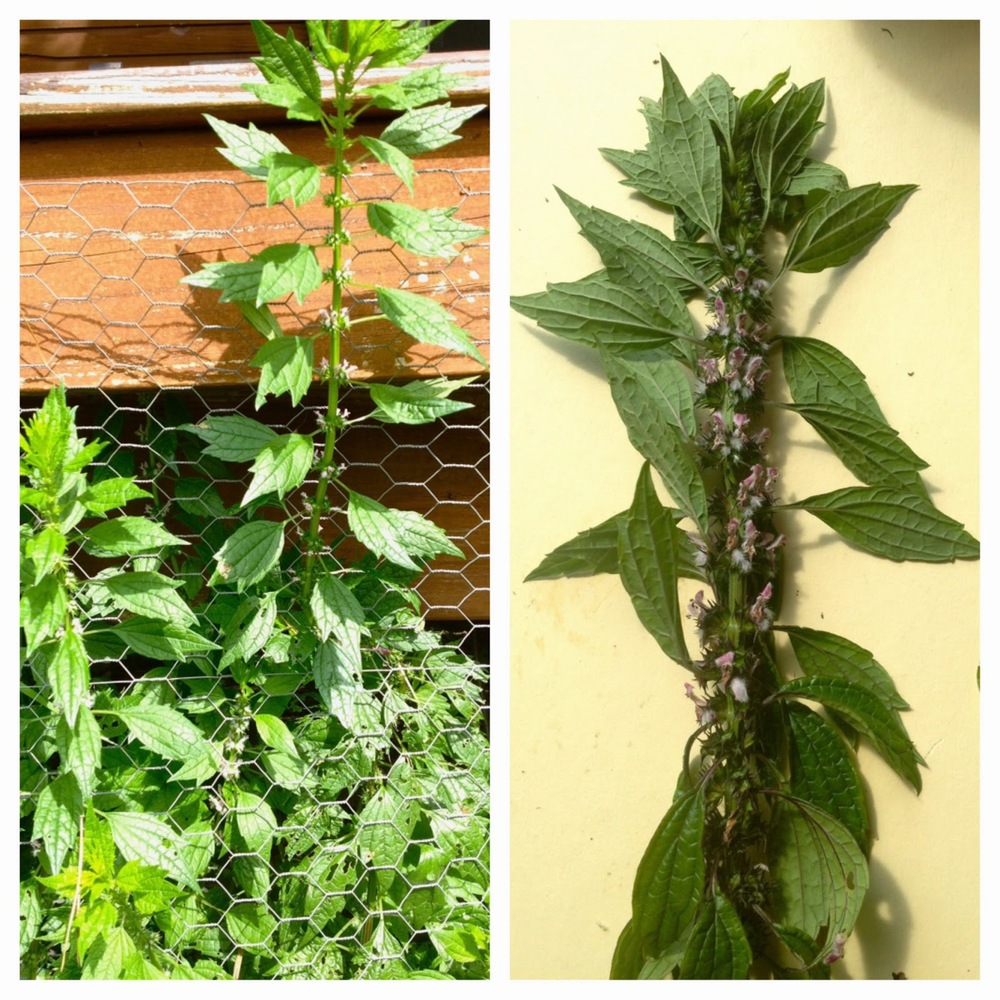
Motherwort
Motherwort earned its nam from its traditional use in relieving trauma and tension during pregnancy, childbirth as well as motherhood. In addition to be a useful remedy for the reproductive system disorders among women, motherwort also possesses properties that invigorate as well as strengthen the cardiac system. Hence, it is also popular as a remedy that is beneficial for the heart. It has already been established that motherwort plays a vital role in the intensification of the heart, particularly during pregnancy and child birth when more pressure is forced on the heart. Many herbal practitioners recommend the use of motherwort to treat anomalies like arrhythmia and heart palpatations—both of which are closely related to nervousness and stress. On the other hand, the bitter glycosides present in motherwort have been found to possess temporary capabilities to reduce blood pressure. (From Herbs 2000.)
Lady's Thumb
Anglo-Saxons used lady's thumb as a remedy for sore eyes and ears. The leaves are edible and some members of the smartweed family possess a "peppery" flavor. Native Americans used the leaves in treatments of stomach pains and poison ivy. They also rubbed the plant on their horses as an insect repellent. (From Brandeis.)
Red Clover
Red clover is used for cancer prevention, indigestion, high cholesterol, whooping cough, cough, asthma, bronchitis, and sexually transmitted diseases. Some women use red clover for symptoms of menopause such as hot flashes; for breast pain or tenderness, and for premenstrual syndrome. Red clover is applied to the skin for skin cancer, skin sores, burns, and chronic skin diseases including eczema and psoriasis. In foods and beverages, the solid extract of red clover is used as a flavoring ingredient. Red clover contains hormone-like chemicals called isoflavones that seem to cause reproductive problems in certain animals. Experts think a diet high in isoflavones may have been responsible for reports of reproductive failure and liver disease in cheetahs living in zoos. In large quantities, red clover can cause sterility in livestock. Red clover contains “isoflavones” which are changed in the body to “phytoestrogens” that are similar to the hormone estrogen.
2 Comments

Nicole Caldwell

Nicole Caldwell is a self-taught environmentalist, green-living savant and sustainability educator with more than a decade of professional writing experience. She is also the co-founder of Better Farm and president of betterArts. Nicole’s work has been featured in Mother Earth News, Reader’s Digest, Time Out New York, and many other publications. Her first book, Better: The Everyday Art of Sustainable Living, is due out this July through New Society Publishers.

Beyond the Garden Gate: Wild Plant Classification Part I

It was a day as fine as any to bushwhack through the Better Farm wilds in order to classify some native plants! Putting aside their pesky tendency to pop up in the garden rows, wild plants have value that make them well worth knowing. Here is the first installment of the plants I discovered on my romp.

Wild Plant Identification:

Staghorn Sumac
Sumac is native to the Mediterranean, but now grows in abundance throughout the Northern United States. Sumac flowers contain calcium, potassium, magnesium, citric acid and antioxidants; while the bark is useful medicinally as an astringent tea for anti-diarrhea purposes. Staghorn sumac is also antibacterial. Middle Eastern chefs dry the berries, and then grind them up into a spice powder that lasts all year without refrigeration. The spice can be sprinkled on rice, hummus, or kebabs. Sumac tastes slightly sour, tart and citrus-like, very similar to a lemon. Sumac fruit can also be turned into lemonade: Simply put the berries in cold water, rub them to release the juice, and then leave them for several hours to soak and infuse into the water. Strain and drink it. The liquid can also be frozen in ice cube trays and used year-round like lemon juice. (Information from Firstways.com)

Red-Panicled or Grey Dogwood
Historically, American dogwood has been used to treat malaria instead of the drug quinine. American dogwood is still used today as medicine for headaches, fatigue, fever, and ongoing diarrhea. It is also used to increase strength, stimulate appetite, and as a tonic. Some people apply American dogwood directly to the skin for boils and wounds.

Elderberry Tree
Elderberry juice was used to treat a flu epidemic in Panama in 1995, and has historically been widely used for its antioxidant activity, to lower cholesterol, improve vision, boost the immune system, improve heart health, and as a remedy for coughs, colds, flu, bacterial and viral infections, and tonsillitis.  Bioflavonoids and other proteins in the juice destroy the ability of cold and flu viruses to infect a cell. People with the flu who took elderberry juice reported less severe symptoms and felt better much faster than those who did not. Elderberries contain organic pigments, tannin, amino acids, carotenoids, flavonoids, sugar, rutin, viburnic acid, vitaman A and B and a large amount of vitamin C. They are also mildly laxative, a diuretic, and diaphoretic. Flavonoids, including quercetin, are believed to account for the therapeutic actions of the elderberry flowers and berries. According to test tube studies2 these flavonoids include anthocyanins that are powerful antioxidants and protect cells against damage. In Israel, Hasassah's Oncology Lab has determined that elderberry stimulates the body's immune system and they are treating cancer and AIDS patients with it. The wide range of medical benefits (from flu and colds to debilitating asthma, diabetes, and weight loss) is probably due to the enhancement of each individual's immune system.

Butter-and-Eggs
 
Butter-and-Eggs serve as a diuretic, purgative and astringent. Leaf tea can be used as a laxative, strong diuretic for dropsy, jaundice, enteritis with drowsiness, skin diseases, piles, liver and bladder problems. Ointment made from the flowers is used externally for piles, skin eruptions, sores, and ulcers. A “tea” made with the plant's milk may also be used as an insecticide. (From MedicinalHerbInfo.)

Jewelweed
Toadflax, Common Toadflax, Yellow Toadflax, Butter-and-Eggs, Wild Snapdragon -
Knapweed

Spotted Touch-Me-Not
Jewelweeld has been used as a treatment for eczema, insect bites, rashes, and spring tonics. It is also an effective cure for poison ivy. Flowers can be rubbed on skin as a natural insect repellent.
Burdock
Burdock Root contains a number of medicinal properties that have been used for hundreds of years. Most traditionally, herbalists use it as a blood purifier. The root also overs relief from abscesses, acne, carbuncles, psoriasis and eczema. The herb increases circulation to the skin by helping to detoxify epidermal tissues. Burdock Root has additionally been reported to destroy bacteria and fungus cultures. It is a popular detoxifying agent that produces a diuretic effect on the body which aids the filtering of impurities from the bloodstream. By promoting perspiration, Burdock Root eliminates toxins through the skin. Burdock Root contains inulin, a carbohydrate that strengthens the liver. The high concentration of inulin and mucilage aids in the soothing effects on the gastrointestinal tract. The high concentration of inulin is helpful for individuals afflicted with diabetes and hypoglycemia as it provides helpful sugar that does not provoke rapid insulin production. Inulin is aromatic, stimulant, expectorant, tonic, stomachic, and antiseptic. Burdock Root can also be used as a mild laxative that aids in the elimination of uric acid or gout.  

Burdock root helps the kidneys to filter out impurities from the blood very quickly. It clears congestion in respiratory, lymphatic, urinary and circulatory systems. Burdock  releases water retention, stimulates digestion, aids kidney, liver and gallbladder function.  It also functions as an aperient, depurative, and antiscorbutic. Decoctions of Burdock have also been historically used for soothing the kidneys, relieving the lymphatic system, rheumatism, gout, GI tract disorders, stomach ailments, constipation, catarrh, fever, infection, fluid retention and skin problems. An article in Chemotherapy identified the chemical arctigenin contained in Burdock as an “inhibitor of experimental tumor growth.” European and Chinese herbalists have long considered burdock root's "lightly warming, moistening effect an excellent tonic for the lungs and liver.  It reportedly stimulates toxic waste through the skin and urine, improving digestion and is good for arthritis and rheumatism.
A recent study showed that Burdock blocked dangerous chemicals from causing damage to cells, suggesting to the possibility that burdock may help decrease the risk of developing cancer from toxic chemicals. And finally, despite Burdock’s reputation as a noxious weed, it is the source of several very palatable foods. Edible components of the Burdock plant are its roots, seeds, and its young stems. Young stalks are boiled to be eaten like asparagus, raw stems and young leaves are eaten in salads. Both the root and leaves are used in herbal remedies, but most recipes call for the root which has a sweetish and mucilaginous taste. Fresh burdock root also has a distinct aroma. It has been used, after chopping and roasting, as a coffee substitute. Originally cultivated in China for medicinal purposes, this unique root has become a sought-after specialty in Japan. Flavorful and crunchy, burdock is an excellent source of fiber, along with the vitamins and minerals. Its nutty taste is delicious sautéed in combination with carrots or just some soy sauce and a bit of sugar, or it can be deep-fried in a tempura batter. Avoid rinsing this brown-skinned vegetable until you're ready to use it.  In markets, it's sold with the dirt still lingering on the roots because it is quick to wilt when washed. The white flesh immediately discolors once peeled. You'll want to soak it in a mild vinegar solution until you're ready to cook it to maintain the color. Its hearty flavor is a little like that of potatoes, although it’s related to artichokes. Mashed roots can also be formed into patties and fried.  The white pith can be added to salads or simmered in syrup to make candy or soaked in vinegar  to make pickles. (Information from Herbal Legacy.)


Chicory
Chicory as a homeopathic remedy is used for sluggish digestion that may lead to headaches. Herbally, chicory is a bitter used to increase appetite and promote digestion. As a culinary herb, young chicory leaves are used in salads. Chicory root is best known as a coffee substitute. (From Holistic Health Careers)

Milkweed 

Milkweeds secrete latex containing cardiac glycosides that are medicinally valuable in the treatment of heart disease. This same latex is an old home remedy for warts. These compounds are also part of a chemical defense that the butterflies deploy against birds who would prey on them, explaining in part their fascination with these plants. Milkweed serves as a major nectar source for butterflies and bees; both of which have been in rapid decline in large part because of herbicides like Roundup, which kills virtually all plants except crops genetically modified to survive it. As a result, millions of acres of native plants, especially milkweed, an important source of nectar for many species, and vital for monarch butterfly larvae, have been wiped out. One study showed that Iowa has lost almost 60 percent of its milkweed, and another found 90 percent was gone. The agricultural landscape has been sterilized. You can help! Become an active participant now. Make a difference today. It all starts with one seed...and you to plant it. (From Annie's Remedy)

To read Part II of this study, click here.

In Retrospect: Sustainability Student Xuan Du


What an amazing two months it has been. When I pulled up to Better Farm’s driveway for the first time, I expected an immersive crash-course in sustainability initiatives. What I didn’t expect was how close I would become with the people and area around Redwood.

Better Farm is a testament to how easily anyone can implement green practices. From indoor aquaponics and hydroponics to rainwater catchment systems, it doesn’t take much to reduce your carbon footprint. Better Farm’s initiatives may be on a small scale, but its impact spreads. Community members and visitors who wouldn’t otherwise care about sustainability are exposed to all of our various initiatives, whether through conversation, workshops, or tours of the grounds. I’ve heard so many guests marvel at the uniqueness of this place and what a lovely respite it is from city life. After staying on the property, it’s hard not to share what you’ve learned with your own friends, family, and community.

I’ve never felt more connected to the land than during my time at the farm. Working in the garden gave me a whole new relationship with my food, and I derived so much satisfaction from harvesting the vegetables. Even though I picked snap peas nearly every day, I was always excited to see a new pea tucked under the stalks and leaves. It was really quite something to witness the growth of a crop every step of the way.

A passage from What We Leave Behind by Derrick Jensen and Aric McBay, one of my assigned readings (and now favorite books), stuck with me: “Any working definition of sustainability must emerge from and conform to a particular landbase – to what that landbase can freely give forever – and not be an abstract set of principles, or rationalizations, imposed upon the landbase. The landbase is primary, and what we do to it (or far more appropriately, with and for it) must always follow the landbase’s lead.” The land comes first. Whatever industrialized society we have permitted can only go so far as what the land allows. At Better Farm, we work in tandem with the landbase. Pesticides and fertilizers are never used, and we do everything with the understanding that everything goes back to the land. The food scraps from the kitchen go to the chickens, whose soiled bedding is used to mulch the garden, which provides us with our meals. “You feed me, I feed the soil, the soil feeds everyone, the soil feeds me, I feed you, you feed the soil, and so on” (Jensen and McBay).

Everything about Better Farm seems to come full circle, which is at the root of sustainability. “For an action to be sustainable you must be able to perform it indefinitely” (Jensen and McBay). Better Farm’s goals are fully aligned with this idea. During my internship, I have been hyper aware of the life cycle of everything we use, be it old wood planks repurposed into the exterior of a sauna or the compost used in the garden. Modern society has been trained to throw things out and never think about them again, but life begins with death, decomposition, and decay.

Every day at Better Farm was a new adventure, and I’ll miss every person and animal associated with this place (even Kiwi, the obnoxious rooster). I’ll never forget how lucky I was to be in such a beautiful environment. Every evening when I closed the farm stand, I took my time carrying the unsold produce back to the house, because the splendor of the property at sunset never failed to mesmerize me. No cars were on the road, the chickens roamed freely in the yard, and everything basked in a warm glow. This is what life should be like, and I’m so glad I got to experience it.

I’ll be back, Better Farm.

Canning Frenzy

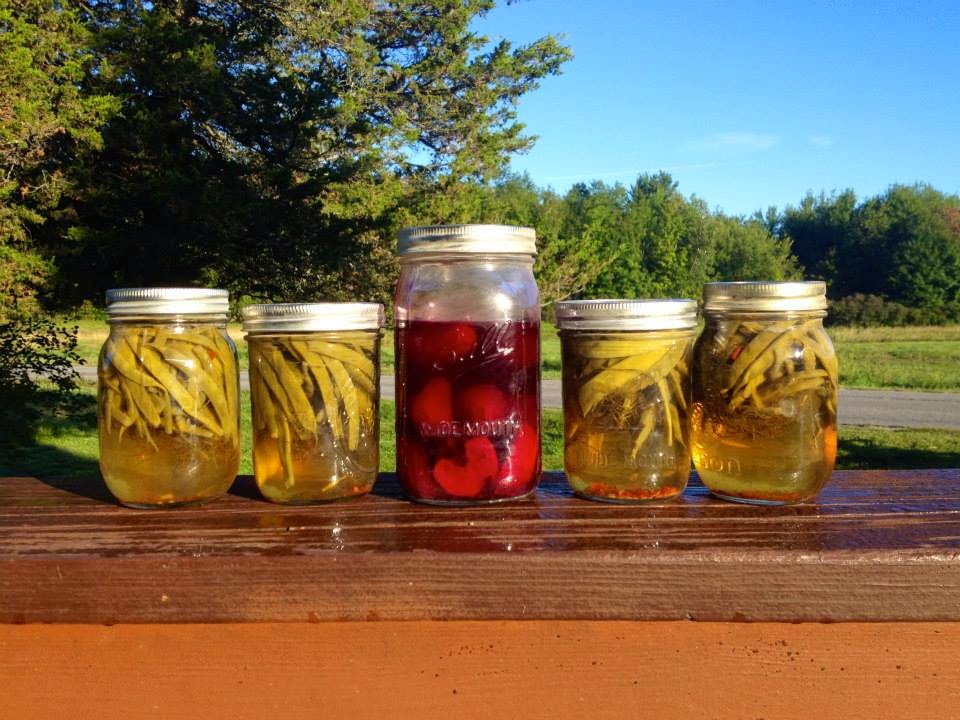
Canned beats and dilly beans.
Equipped with a borrowed pressure canner, a canning book from the 70's, the Internet, and and a garden overflowing with fresh, organic produce, the crew at Better Farm took off on a canning project that will provide the people here (and some of our very favorite neighbors and CSA members) with delicious, canned meals for months to come.

Here are a few of the recipes we used. Send us yours at info@betterfarm.org!

Elderberry Jam 
From Recipe Wise-UK Edition
Elderberry Jam is a lovely tasting jam with a beautiful color—but always be sure to use ripe berries to prevent the jam from becoming too tart. We picked wild elderberries along the roadside and spent a week utilizing them in Belgian waffles, scones, and pies. Toward the end of the week when they were perfectly ripened, we froze what we had left after siphoning off some for this jam recipe. To ensure a good set you can use a jam sugar with added pectin, but the lemon juice should help set the jam
Ingredients:
  • Ratio of 1:1 elderberries and sugar
  • 1/2 lemon for every 2 cups of elderberries (juice and zest)
  • 1 tsp. butter (or vegan equivalent) for every 2 cups of elderberries
Instructions

Rinse each elderberry cluster under running water, then drain thoroughly. Work on one small cluster at a time, gently pulling your fingers through and across the clusters to dislodge the berries from the tough stems – only use berries that are completely blue or blue-black, do not use any green berries, or any partially green berries, as they are not ripe and they will spoil the jam. Once you have de-stalked the berries rinse under running water once again. Simmer the elderberries in a dry preserving-pan, slightly bruising them, and stirring them about, with a wooden spoon. When the juice runs put in one-third of the sugar, and let the mixture simmer slowly up to the boiling-point. Break the berries up with the wooden spoon or a masher. When the berries are thoroughly soft and pulpy, take them off the heat and press the sugary pulp through a fine-meshed sieve – no seeds must go through – catching all the juice and pulp in a bowl below. Disclaimer: We let some of the seeds survive for an authentic jam experience! Put the pulp and juice, remaining sugar, lemon juice, butter, and the grated lemon-rind, back into the cleaned preserving pan. Let this simmer for half an hour, stirring and skimming frequently. After 30 minutes, boil for 10 minutes to the setting point. Remove the pan from the heat and skim off any scum and impurities from the surface using a slotted spoon. Leave to cool for 5 minutes. Pour the Elderberry Jam into warmed sterilized jars and seal. Leave the jars to cool completely, then label and store in a cool, dark place.


Pickled Beets
From MyRecipes.com
Ingredients
  • 1 pound small beets (about 7 beets) 
  • 1/2 c. white vinegar
  • 1/4 c. sugar
  • 1/4 tsp. salt
  • 1/2 tsp. black peppercorns
  • 2 bay leaves
Instructions
Rinse out your canner, put the rack in the bottom, and fill it  with hot tap water. Put it on the stove over low heat just to get it heating up for later on. Meanwhile, leave root and 1-inch stem on beets; scrub with a brush. Place in a medium saucepan; cover with water. Bring to a boil. Cover, reduce heat, and simmer 45 minutes or until tender. Drain and rinse with cold water; drain. Cool slightly. Trim off beet roots; rub off skins. Thinly slice beets; place in a large bowl. Combine vinegar and sugar in a small saucepan. Bring to a boil; cook 5 minutes. Remove from heat; stir in salt, peppercorns, and bay leaves. Pour vinegar mixture over beets; then pour into glass Mason jars. Allow for 1/2 inch of headspace in the top of the jar. Put the lids on each jar and seal them by putting a ring on and screwing it down snugly (but not with all your might, just "snug").Put the jars in the canner and the lid on the canner. Using the jar tongs, put the jars on the rack in the canner.  Make sure the tops of the jars are covered by at least 1 inch of water. Process for thirty minutes. You can use either a plain water bath canner OR a pressure canner, since the vinegar adds so much acidity (if you can vegetables other than tomatoes without adding vinegar, you must use a pressure canner).

Dilly Beans
From Simply Canning

Note: As with the pickled beets, using vinegar in the recipe negates the need to use a pressure canner. If you are making these recipes without the vinegar, the food is too acidic to not use a pressure canner. Always keep this in mind in order to ensure food safety!
Ingredients

  • Green Beans - enough to make 4 pints or about 2 pounds
  • 4 sprigs of fresh dill weed or 4 heads of dill.
  • 4 cloves of garlic
  • 1/4 cup canning salt
  • 2 1/2 cups vinegar
  • 2 1/2 cups water
  • 1 tsp cayenne pepper (optional) 
Instructions
Wash beans - snap off ends and snap (break or cut) to jar length. Add sprig of dill weed (or head of dill) (or 1 tsp dill seeds) and 1 garlic clove to each jar. if you like spicy try adding 1/8 tsp cayenne to each jar. Pack each jar with beans length ways. You can also cut your beans short and pack them that way. I just think it looks nice to have them long and lengthways. An easy way to do this is to tip the jar in your hand and fill. This way the beans stack nicely. Combine -vinegar, water and salt to make the pickling solution or brine.  Bring this to a boil. The best way to do this is in a stainless steel tea pot. It makes it so easy to just pour the brine into each jar without having to use  a ladle. Turn the heat off your brine and when bubbling stops, cover beans with pickling solution, leaving 1/4 inch head space. emove air bubbles with a plastic knife or other small tool. Just push the tool gently between the dilly beans moving things around just enough to let the air bubbles rise. There is a tool you can buy specifically for this purpose, but an orange peeler is what I always turn to. It just fits perfectly and is usually hand. Wipe rims clean, you don't want any pickling solution or bean bits on the rim of the jar.  It may interfere with the sealing process.  Then... process for 10 minutes per quart.