Seeds Ordered, 2014 CSA Sign-Ups Available

With February almost half over (YES!!!), we're only a couple of weeks away from starting seeds indoors for eventual transplanting into

Better Farm's gardens

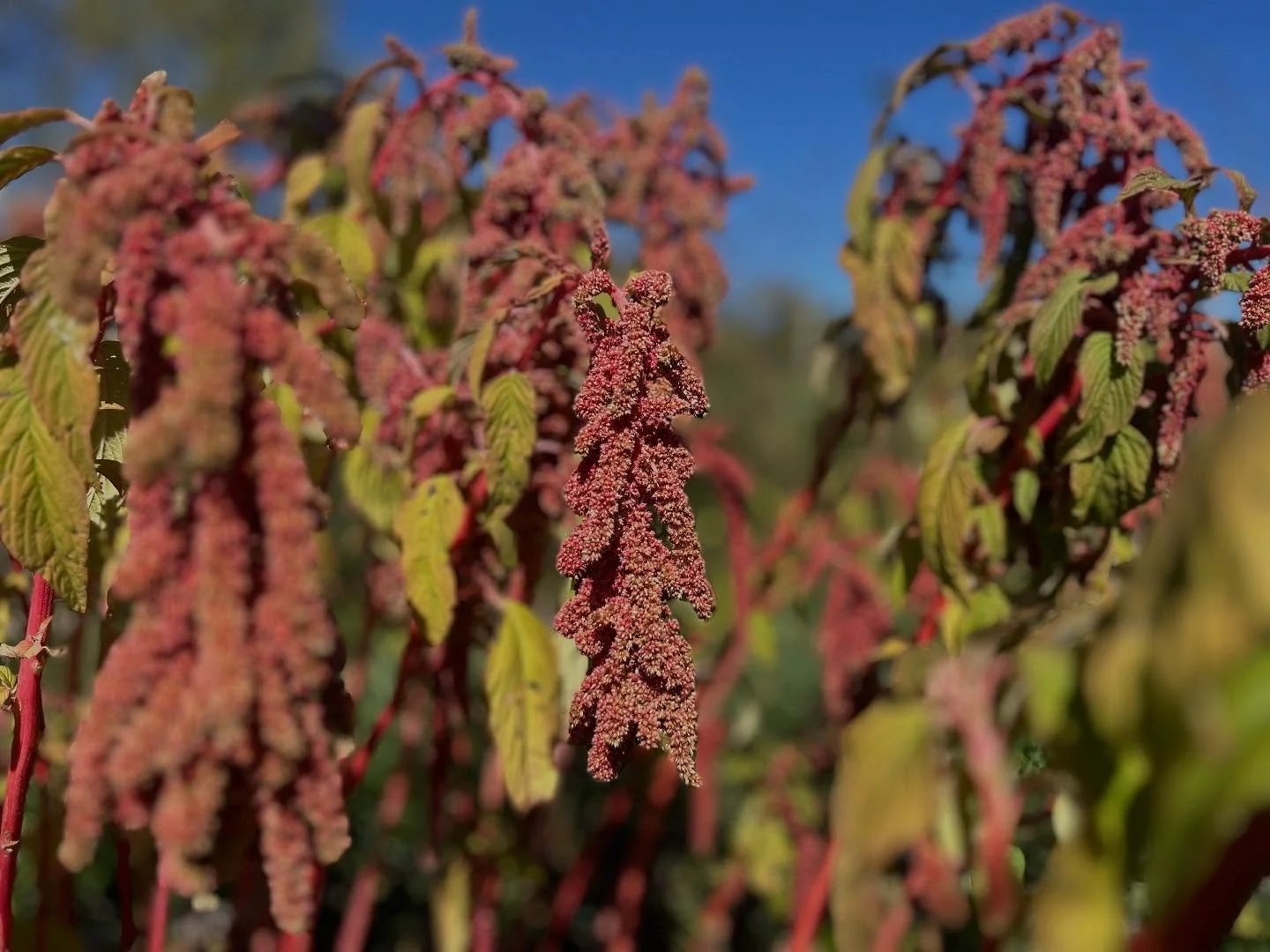
. While we saved some seeds from successful plants last summer (tomatoes, garlic, and several others) and many crops will return each spring (asparagus, strawberries, fruit trees, rhubarb, sage, chives, and a whole lot more), we still had a pretty hefty shopping list.

Armed with our

garden maps

from the last couple of years, it was easy to stay organized while picking new seeds and returning to trusted favorites. We'll be referring back to those same maps—and our

companion planting guides

—to ensure proper crop rotation and plant pairing.

Here's our "short list" of what we'll have available at Better Farm in 2014. If you're interested in a low-cost CSA share of weekly organic produce throughout the season (roughly April through November), email us at

info@betterfarm.org

or call (315) 482-2536. More information on CSA sign-ups to follow!

  • Apple Tree: Heirloom, Crabapple

  • Apricot Tree: (immature)

  • Artichoke: Imperial Star

  • Arugula

  • Asparagus: Jersey, Heirloom

  • Basil: Large-Leaf Italian

  • Banana Plant: Dwarf

  • Beet: Lutz Green Leaf Organic

  • Black Bean: Coco Organic 

  • Blueberries

  • Broccoli:  Belstar Organic

  • Brussel Sprouts: Royal Marvel Hybrid

  • Butternut Squash: Argonaut Hybrid

  • Cabbage: Derby Day 

  • Cannelini Beans

  • Carrot: Purple Haze Hybrid,  Rainbow Blend, Ya Ya Hybrid

  • Cauliflower: Veronica Hybrid

  • Celery:  Redventure Organic 

  • Chia Sprouts

  • Chives

  • Cilantro

  • Coffee Plant

  • Corn: Northern Xtra-Sweet Yellow 

  • Cucumber: Lemon Organic 

  • Dill

  • Eggplant: Rosa Bianca Organic

  • Fig Tree

  • Flowers: Various

  • Garbanzo Beans

  • Garlic: Various 

  • Hubbard Squash

  • Kale: Red Russian, Better Farm Heirloom

  • Leek: Giant Musselburgh 

  • Mint

  • Nasturtium

  • Olive Tree: Mediterranean Dwarf

  • Onion: Yellow Sweet Spanish

  • Oregano

  • Parsley

  • Pea: Little Marvel Shell, Oregon Sugar Pod II Snow

  • Peach Trees

  • Peanuts: Jumbo Virginia

  • Peppers: California Wonder, Italian Sweet Organic

  • Pineapple Tree: Dwarf (immature)

  • Portobello Mushrooms

  • Potato: Yukon Gold

  • Ramps/Wild Leeks

  • Raspberry Bushes

  • Red Sumac (for tea)

  • Rosemary

  • Sage 

  • Soybeans

  • Strawberries: Heirloom Organic

  • String Bean: Compass Organic

  • Sweet Potato Squash: Thelma Sanders' Sweet Potato Squash

  • Swiss Chard: Bright Lights

  • Tomato: Ananas Noire, Saved Better Farm Heirloom Seeds, Purple Calabash Organic

  • Watermelon: Sugar Baby Organic

  • White Button Mushrooms

  • Zucchini: Black Beauty Organic

For Better Farm's CSA, customers are advised to understand a weekly share will not include all of the above-listed items

at any one time. Shares are limited to seasonal ripeness, availability, and success rate of each item.

CSA shares are available for individuals or families.

Comment

Nicole Caldwell

Nicole Caldwell is a self-taught environmentalist, green-living savant and sustainability educator with more than a decade of professional writing experience. She is also the co-founder of Better Farm and president of betterArts. Nicole’s work has been featured in Mother Earth News, Reader’s Digest, Time Out New York, and many other publications. Her first book, Better: The Everyday Art of Sustainable Living, is due out this July through New Society Publishers.

Reimagined Entryway

Under construction: Better Farm's entranceway is getting a facelift.
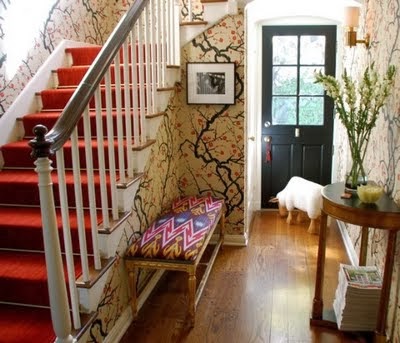
We're re-imagining Better Farm's foyer. Our goals? To make the space significantly more energy efficient, organized, and lovely. The farm's entryway has gone through a few incarnations since 2009, with this final project bringing the foyer and front hall to completion.

Our timeline so far:
  • 2009 project to clean up foyer and take a bunch of storage to the dump
  • 2010 project to rip up carpeting on stairs, organize storage, and give a fresh coat of paint
  • 2011 project to rebuild the entire staircase and railing
 Here's a list of the problems we still faced:
  • Front door leaks a lot of warm air through unsealed gaps along its bottom edge
  • Without a storm door, we can't allow for cross-ventilation in the summer or get a great seal around the doorway
  • Outdated insulation in the entranceway means lots of air leaks and energy loss of up to 15 percent in that room alone
  • Sheetrock hung decades ago on the ceiling was the wrong thickness and wasn't strapped; therefore, it's sagging
  • All tape lines on sheetrock in the front hall are visible
  • Cobbed electrical meant mismatched light switches, electrical lines outside the sheetrock, and visible covered wiring
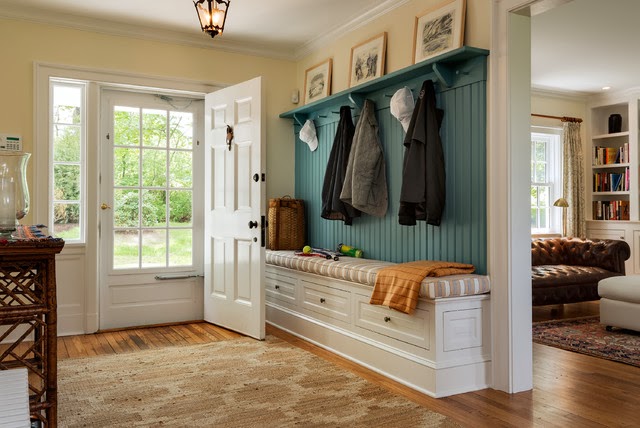
  • The foyer's storage solutions are imperfect. Boots, sneakers, and jackets need a better landing spot.
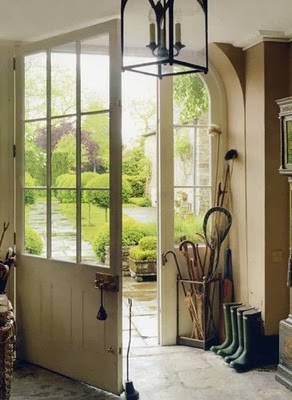
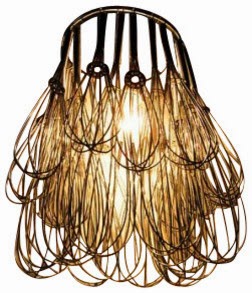
And—my favorite part—the brainstorming process. Here are some pictures we're working with as inspiration:

Overall look:
     

Storage solutions:
  
Draft barrier:
Lighting:


Wallpaper for contrast wall in entranceway:


Thanks to North Country YDIY for taking on this remodeling project.
1 Comment

Nicole Caldwell

Nicole Caldwell is a self-taught environmentalist, green-living savant and sustainability educator with more than a decade of professional writing experience. She is also the co-founder of Better Farm and president of betterArts. Nicole’s work has been featured in Mother Earth News, Reader’s Digest, Time Out New York, and many other publications. Her first book, Better: The Everyday Art of Sustainable Living, is due out this July through New Society Publishers.

'Wild Friends Print Exchange' Call for Artists

The Wild Friends Department at the Best Friends Animal Sanctuary in Kanab, UT, is hosting a print exchange among artists to raise money for construction of a bigger and better home for the organization's rescued crows, Alfred and Anabel.

Alfred and Anabel are homed at Best Friends through a federally licensed Wildlife Education program. Crows can live up to 80 years, and it's extremely important that they have a natural, big habitat to enjoy for the duration of their lives. Application fees and donations will go toward the $4,000 needed to build a healthier, happier home for the crows.

What is a Print Exchange?

This print exchange is an invite to all artist/printmakers to make an edition of 13 prints with the theme: Crow.  Any printmaking technique can be used including relief, intaglio, lithography, silkscreen etc. Upon turning in your 13 prints, 10 prints will be sent back to you by randomly selected artists who also participated in the exchange.

Not part of the print exchange but still want to donate? Any donation amount is greatly appreciated. (Donate $25 and receive a 4x6 glossy photo of our crow Alfred.  Donate $50 or more and receive an original crow print!)

Print Exchange Information

Theme: Crow (open to your interpretation)

Cost: $50  ($25 student)   Fee goes directly to new home for crows. Additional donations welcome!

Eligible Artists: Everyone

Printmaking Media: Open

Paper Size: 8" x 10" (print/image size open) - Prints can be submitted on archival paper only.

Edition Size: 13 prints (numbers 1/13 - 13/13)

Submission Process: Click here to download the print exchange application. You can make your donation below or send your donation by mail. Send prints, completed form, and donation/proof of donation to:

Wild Friends at Best Friends Animal Sanctuary
5001 Angel Canyon Road
Kanab, UTAH 84741
ATTN: PRINT EXCHANGE

How it Works: You will receive a collection of 10 prints randomly selected from all the artists submissions in May of 2014.  One set of all the prints entered will be shown at the Best Friends Animal Society Crow Exhibition and donated to the BFAS permanent collection.  2 sets will be sold to raise funds for a new crow habitat.

All prints submitted will be put in a web gallery and may be digitally reproduced to promote this project.

The complete portfolio of prints will be exhibited at the Best Friends Animal Sanctuary Village Artspace from April 25 - June 20, 2014. Opening reception is slated from 5-8 p.m. Friday, April 25. At that opening, the organization will announce the total amount raised for the crows' new home.

RSVP by email to 

wild@bestfriends.org

Prints must be postmarked by April 10, 2014 to be accepted

Questions: email wild@bestfriends.org or call (435) 644-2001 x 4592

Follow Best Friends Animal Sanctuary on Facebook

Comment

Nicole Caldwell

Nicole Caldwell is a self-taught environmentalist, green-living savant and sustainability educator with more than a decade of professional writing experience. She is also the co-founder of Better Farm and president of betterArts. Nicole’s work has been featured in Mother Earth News, Reader’s Digest, Time Out New York, and many other publications. Her first book, Better: The Everyday Art of Sustainable Living, is due out this July through New Society Publishers.

You Say Tomato...

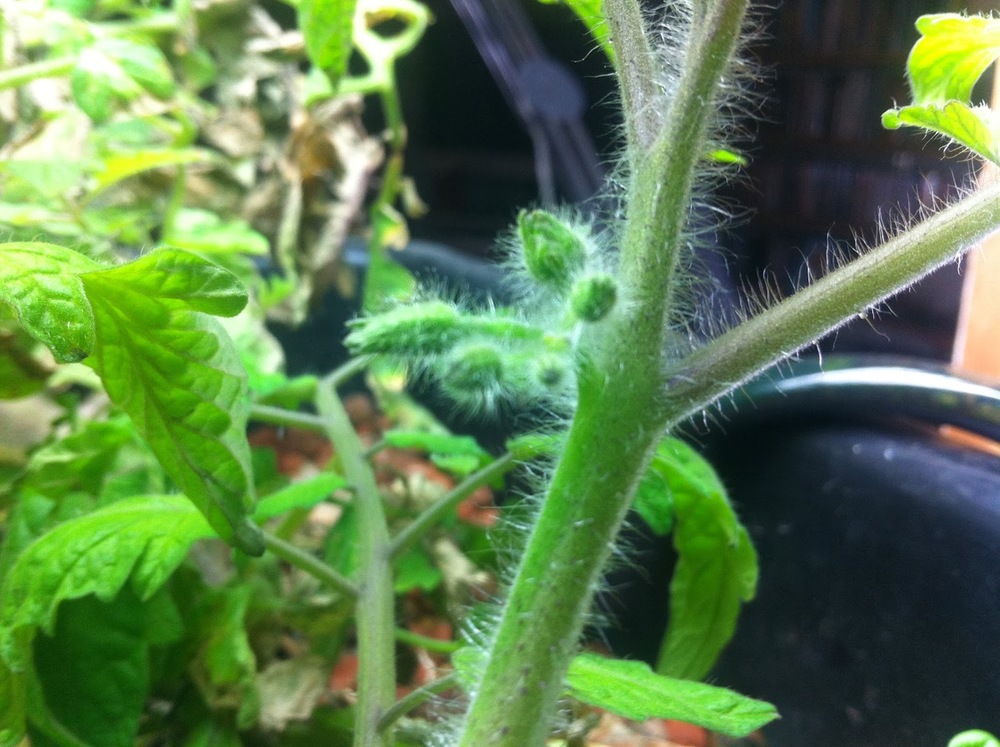
The pollination has paid off! After giving our aquaponic tomato plants a few good shakes back in January and manually pollinating flowers with Q-tips, we've got baby tomatoes growing indoors on the vine.

With same-flower pollination for plants like tomatoes, gently shaking or vibrating the plants or individual flowers a few times a week (daily is best) after flowers appear is the most straight-forward way to ensure pollinations. Fish water is particularly ideal for tomatoes, providing the right level of nutrients for growth and fruit production. Check out these beauties!

Here are a few great ideas for growing your own aquaponics tomatoes from Aquaponics Online Tips:
  • You must test the pH level of the water to ensure it is between 6.8 and 5.8.  As long as you have a pH stabilizer that is safe for your fish, you can adjust the level as needed.  You should be able to find one in most garden stores or supply stores who carry aquaponic systems.
  • In order to remove dust and other particles that can have an adverse effect on the pH level of the water, be sure to rinse the growing container. Fill the growing container with the medium just about one-third full.
  • Gently rinse the roots of your tomato seedlings to remove any soil or composites.  Be sure to be careful not to damage the roots.  Easy does it.  Go ahead and gently plant your seedlings by spreading out the roots.  After that you can cover them, making sure the plant is secure and upright by covering at least two inches of stem in the medium.
  • If you want to control the algae build up, add some red wiggler worms.  This will also add some nutrients that are healthy for the continued growth of your plants and your fishes.
  • Watch carefully for aphids on your plants, which are little bugs that can eat away at them.  They look like lice but you can generally keep them away by using a vinegar solution that is equal parts water and vingar. As you do this, be sure to ensure the pH level is still secure.
Comment

Nicole Caldwell

Nicole Caldwell is a self-taught environmentalist, green-living savant and sustainability educator with more than a decade of professional writing experience. She is also the co-founder of Better Farm and president of betterArts. Nicole’s work has been featured in Mother Earth News, Reader’s Digest, Time Out New York, and many other publications. Her first book, Better: The Everyday Art of Sustainable Living, is due out this July through New Society Publishers.

Spotlight On: Harn Gallery

A new online gallery features work by artists around the world and gives international collectors the opportunity to purchase unique work that supports emerging artists and acts as valuable investment and asset.

Harn Gallery was founded last year to provide artists a curated, online forum in which to exhibit and sell their work. It is free for artists to display their original work; and they keep 80%. Buyers enjoy free shipping on all purchases (sent direct by artists). There are no monthly or sign-up fees, either.

Other features of the site include the opportunity to commission work from a specific artist whose work you admire, and the chance for artists to have a curator's review added to pieces for sale. Harn Gallery's leading curator, Luois Guillaume, writes those reviews. Guillaume has been a director at  Harn Gallery for the last 2 years and has more than seven years of experience working with emerging artists and curating exhibitions.

Want to get involved in the marketplace? visit www.harngallery.com

.

Comment

Nicole Caldwell

Nicole Caldwell is a self-taught environmentalist, green-living savant and sustainability educator with more than a decade of professional writing experience. She is also the co-founder of Better Farm and president of betterArts. Nicole’s work has been featured in Mother Earth News, Reader’s Digest, Time Out New York, and many other publications. Her first book, Better: The Everyday Art of Sustainable Living, is due out this July through New Society Publishers.

Home Energy Audits

Nothing like a good, ol'-fashioned winter to bring to light all the places in a home that don't hold heat. Whether you've got old windows, outdated insulation (or a total lackthereof), breaks in caulking or weatherstripping or gaps under doors, inefficiency in the home can account for major heat loss.

For those of us untrained in heating and cooling, figuring out where your home is most inefficient can be a daunting task. So states, many of them for free, offer home energy audits to individuals and families to figure out exactly where a house is losing energy—and money. Here's how it works: You fill out a form to apply for a home assessment. Based on income level, it is determined whether you will pay a low fee or none at all to have a professional come to your house for an inspection. Once you've been approved, you call up a certified contractor and arrange for the assessment.

Here's the information for those of you in New York.

The technician will perform a series of tests in order to create a full report on your home's energy efficiency. He or she will look for air leaks, examine insulation, inspect the furnace and duct work, perform a blower door test, and even use an infrared heat camera. With your report in hand, you can apply for tax credits or low-interest loans to help cover upgrade costs. Another option is to apply for on-bill recovery financing, in which you pay off a loan through payments made on your utility bill. Often, your energy savings will cover most of the cost of the work.

The nicest thing about this home energy audit is that it puts the power in your hands. You'll know what the most cost-effective angle is to take for increasing your home's energy efficiency because you'll know which aspect of your home's energy use is the least efficient and therefore the most cost-effective to correct. Many energy-saving upgrades pay for themselves in the first couple of years. That's a fast turnaround on a relatively minor investment!

Resources/Further Reading:

Comment

Nicole Caldwell

Nicole Caldwell is a self-taught environmentalist, green-living savant and sustainability educator with more than a decade of professional writing experience. She is also the co-founder of Better Farm and president of betterArts. Nicole’s work has been featured in Mother Earth News, Reader’s Digest, Time Out New York, and many other publications. Her first book, Better: The Everyday Art of Sustainable Living, is due out this July through New Society Publishers.

Hydroponics Update

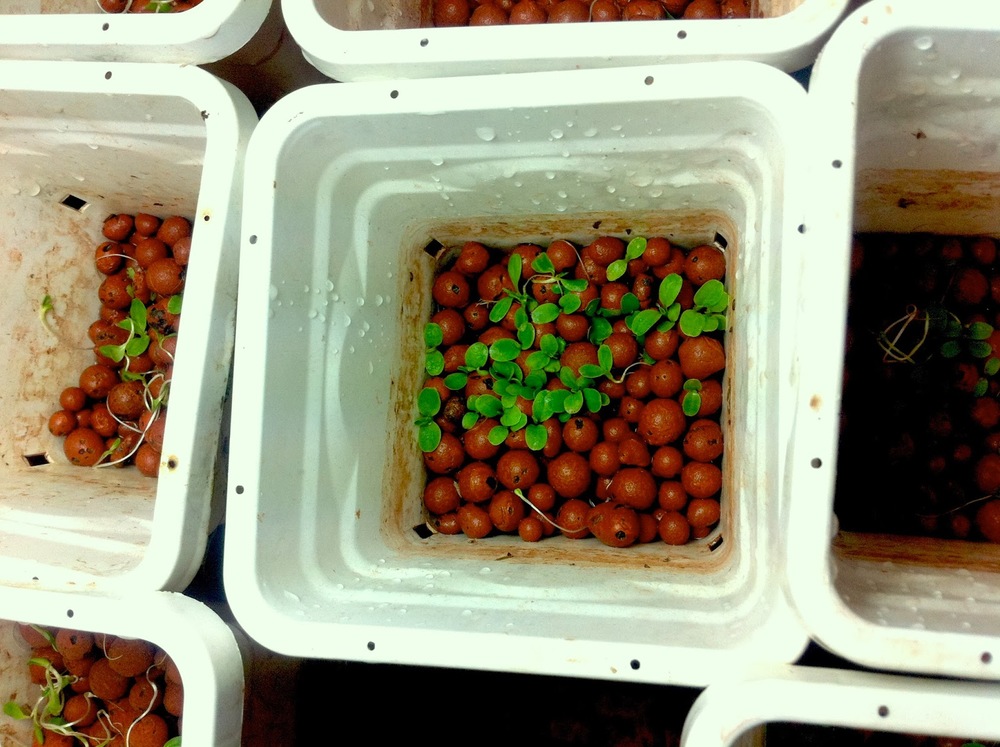
Baby buttercrunch lettuce in Better Farm's new hydroponics setup.
Three weeks after hooking up a hydroponics kit in Better Farm's library, baby buttercrunch lettuce is thriving!

Buttercrunch is a heat-tolerant variety of lettuce with silky green leaves. A great salad choice, buttercrunch is a good source of vitamin A and phytonutrients. We like it because of its ability to grow year-round in any medium: all summer long outside, early spring in raised beds, and throughout the winter in our aquaponics and hydroponics.

We had a couple minor troubleshooting issues with the hydroponics, mostly dealing with water levels and amounts of pea gravel. Too little gravel and too much water at first threatened to drown the immature plants. I added pea gravel last night to each container, which helped—but was extremely tedious because I had to first carefully remove the plants and then add additional gravel. To offset this additional mass, I removed some of the water and added it to some houseplants. The organic nutrients in the hydroponics water should work as steroids for those other plants.

The buttercrunch seedlings first appeared less than a week after we set up the tank; and are now firmly rooted in the pea gravel. In three to four  more weeks, we should have our first bumper crop of lettuce. We're replenishing our nutrients every two weeks to keep the plants hearty and healthy. Stay tuned for our taste test in a couple of weeks!

Got a group interested in learning how to set up aquaponics or hydroponics? Better Farm offers private workshops! Get in touch at info@betterfarm.org.
Comment

Nicole Caldwell

Nicole Caldwell is a self-taught environmentalist, green-living savant and sustainability educator with more than a decade of professional writing experience. She is also the co-founder of Better Farm and president of betterArts. Nicole’s work has been featured in Mother Earth News, Reader’s Digest, Time Out New York, and many other publications. Her first book, Better: The Everyday Art of Sustainable Living, is due out this July through New Society Publishers.

Better Hens-a-Laying

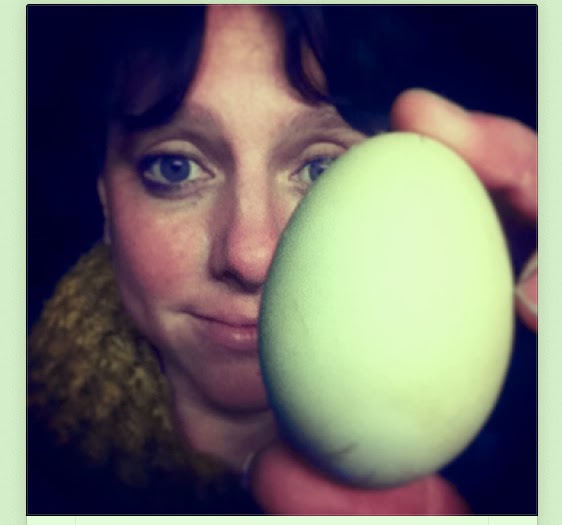
Almost exactly 6 months to the day after our first newborn chick hatched at Better Farm, the "babies" have begun to lay... green eggs!

The barred rock/ameraucana/leghorn hybrids bear the black-and-white markings of a flock of barred rocks, host flecks of color on their shoulder blades and tails we've never seen before, and lay eggs that you'd think came from ameraucanas. Photos of these beauties to come... as soon as some of this wintry wind and snow subsides!

These mutts had quite a coming-of-age in one of the wildest winters in recent memory; but our girls (and boy!) are survivors. To be expected, since their heritage dates back to a bunch of leghorns we rescued from an egg factory, one particularly resilient ameraucana named Destiny's Child, several barred rocks we raised from infancy, and two extremely prolific roosters called Big Mama and Kiwi.

Got a backyard flock you'd like to get eggs from all winter? Remember these important tips:
  • Egg-laying is a calories game. In winter, chickens burn a ton of calories just to stay warm. And without the ability to forage, it's up to you to up the amount of calories they consume. We like to add cracked corn to the mix in order to beef our birds up; we also give them almost twice the amount of food.
  • Keep your coops clean! We clean our coops at least once a week throughout the year. During the coldest parts of winter, we might forego a weekly cleaning in favor of adding more bedding to the coops for extra insulation.
  • Keep the birds hydrated. Chickens need plenty of fresh water during waking hours (we don't recommend having water inside the coop, as you don't want the additional humidity and potential spill). In Redwood, we defrost waterers throughout the day to ensure a steady supply.
Got a question about keeping backyard birds? Send us an email at info@betterfarm.org.
Comment

Nicole Caldwell

Nicole Caldwell is a self-taught environmentalist, green-living savant and sustainability educator with more than a decade of professional writing experience. She is also the co-founder of Better Farm and president of betterArts. Nicole’s work has been featured in Mother Earth News, Reader’s Digest, Time Out New York, and many other publications. Her first book, Better: The Everyday Art of Sustainable Living, is due out this July through New Society Publishers.

Better Farm Newsletter: Winter 2014


Hello, Friends of Better Farm!


What a winter! Record-setting cold temperatures, lakes iced over before the New Year, wind chills reaching -40 in some parts of the North Country, and a week-long power outage to boot: Is anyone else ready for spring?

We're keeping things hot at Better Farm by gearing up for our busiest season yet. On the heels of a recent FCC approval and first-time betterArts grant from Best Buy, we're initiating a low-power FM station called Better Radio that will work in tandem with our websites and blog to bring you original content from the North Country. Donations to betterArts' Better Radio project are tax-deductible and will go directly into making this project a success (funding information is below). We've confirmed two summer music and art festivals to be held at Better Farm, a "Better Mudder" extreme obstacle course in July, several workshops and retreats, and the arrival this spring of a brand-new stable of artists-in-residence and sustainability students. Better Farm is also available as a venue for rustic weddings, field trip for kids to learn about the great outdoors, and a perfect place to host your next conference, meeting, or event. Information about all of these milestones is below! Stay tuned to our blog to follow all of these adventures. If you know of anyone interested in gaining some hands-on experience with sustainability issues or an artist in search of a creative, open space in which to work on their projects, please send them our way!

Enjoy the rest of the winter season—we will see you again this spring!

Until next time, better be.

Nicole Caldwell
Executive Director and Co-Founder
Better Farm
---


News! Autumn Recap, Winter Activities, and betterArts' First Grant

People from Better Farm and its subsidiary nonprofit betterArts kept busy all fall and in this first-half of winter with plenty of community outreach activities and milestones. Here's a review of all recent things "better":
  • Thanksgiving 'Family' Dinner Party—More than two dozen people came out to enjoy an early Thanksgiving dinner party with the cast and crew of Better Farm and betterArts. This was our third annual event of this kind, and we expect the tradition to continue for years to come! The potluck event is free and open to the public.
  • Holiday Party with Hospice of Jefferson County—betterArts in December partnered with Survivor Outreach Services of Fort Drum and Hospice of Jefferson County to present "A Time of Holiday Remembrance" for children who have lost a loved one. The event, held at Hospice of Jefferson Country's offices on Gotham Street in Watertown, featured arts 'n' crafts, lunch and cookies, a gifts giveaway, and a project hosted by betterArts that included decorating flower pots and planting poinsettias.
  • Indoor Growing Systems—We expanded our indoor water-based growing system by adding a hydroponics tank. With lettuce growing in that bed and tomatoes blossoming in our aquaponics setup, we're on track to have fresh greens and produce right up through our next outdoor growing season. Click here for the full details and how-to guide for starting your own indoor garden.
  • betterArts Receives First Grant—Best Buy Children's Foundation annually donates up to $2 million in community grants to local and regional nonprofit organizations that provide teens with places and opportunities to develop 21st-century technology skills. betterArts received $6,000 in funding from Best Buy to use in conjunction with its latest project, "Better Radio", a radio station and educational program based out of Better Farm (more information on that below!). Grant funds were used to purchase recording equipment that will be used by young adults enrolled in local schools to produce content; from music to interviews and story-telling. In addition to airing that content on Better Radio, it will be available for use in podcasts and on school websites.
---

Better Radio Becomes a Reality

Better Radio: A New Media Project by betterArts is a low-power FM station recently approved for transmission out of Better Farm's property. The station will be owned and operated by betterArts, and will be used along with websites and blogs to transmit content produced in the North Country. Approval of the station was announced in December, on the heels of a community grant from Best Buy to purchase recording equipment. We expect our station number sometime this spring; after which time we have 18 months to erect our tower and begin transmitting. While all of that is going on, betterArts members will be working with students at local schools to create great content for use online and on-air. Their content—and content produced by adults in the community—includes recordings by local musicians, storytelling, political roundtables, weather reports, interviews, DIY home repair tips, gardening how-tos, and much much more. We are accepting donations to help fund our tower, transmitter, additional equipment and basic start-up costs. Please email info@betterarts.org if you would like to make a donation of any amount. And stay tuned to our blog for more information on how you can get involved.

---

Upcoming 'Better' Events and Initiatives

Compost Initiatives, St. Patty's Day parties, summer music festivals, and extreme obstacle courses: Here's your guide to everything Better in the coming months!
  • Better BucketsComposting is the process of turning food scraps into nutrient-rich soil. With up to 40 percent of all landfills comprised of otherwise biodegradable food scraps, composting is a simple way to cut a huge amount out of the waste stream while benefiting backyard gardens, homegrown produce, and increasing amounts of topsoil. To that end, Better Farm has partnered with the Redwood Neighborhood Association and other local groups and individuals to kick off a new campaign that will turn natural waste into soil and help preserve and expand the natural beauty of the area. “Better Buckets” allows individuals and families in the Redwood area to isolate food scraps from the waste stream in order to benefit their community. Better Farm will deliver five-gallon pails to those who have signed up and make regular visits to empty the buckets. Waste will be brought to Redwood's Community Greenhouse for processing (and overflow to Better Farm), where over time the food scraps will become healthy soil perfect for fertilizing flowers and produce grown in the community greenhouse. This program is brought to the community at no cost to participating individuals. Those that would like to participate can click here for more information.
  • betterArts to Host Kids' Room at Irish Fest—For the second year in a row, betterArts will be in charge of the kids' room at North Country Goes Green's Irish festival held March 14-16 at the Dulles State Office Building in Watertown, N.Y. There will be lots of prizes, arts 'n' crafts, games, snacks, and fun to be had for children of all ages!
  • Better Festival slated June 21—This year's annual Better Festival is set for 12-8 p.m. Saturday, June 21. All money raised at the annual music, sustainability, and arts festival will directly fund art- and sustainability-related community outreach initiatives in and around Redwood. The day-long event will featuring live performances by local and regional bands, a gallery showcasing artwork by painters, sculptors, photographers, and more, booths featuring art and handmade items for sale, tours of the Better Farm campus, information about Better Farm and betterArts 2014 programming, arts 'n' crafts for kids (and adults!), freshly prepared and locally sourced food, a refreshments tent, games, bouncy castle, and more! To introduce betterArts' latest endeavor Better Radio, there will be a booth set up for people to create content for that station. Music will also be recorded for live-streaming and podcasts. Camping is available for $10/person/night. We are offering accommodations Friday through Monday, or any night therein. Workshops will also be scheduled throughout the weekend and include lessons in upcycling, permaculture, and yoga. If you would like to perform, display your art, or volunteer, please contact us at info@betterfarm.org to be directed to the appropriate betterArts or Better Farm contact.
  • Better Mudder Coming July 2014 — We're bringing a "better" version of the Tough Mudder competition to Redwood, N.Y., in our first annual Better Mudder event in July 2014. Hosted by Better Farm and featuring more than 20 obstacles, Better Mudder invites the fiercest  athletes and thrill-seekers to the Better Farm campus for agility obstacles, wall-climbs, scaling mountains, and—of course—getting really, really muddy. Proceeds will benefit the Wounded Warrior Project and sustainability and wellness outreach in the North Country. Stay tuned for more information at www.betterfarm.org/better-mudder.
  • Have Your Next Event at Better Farm—We are now accepting bookings for 2014 retreats, workshops, weddings, corporate meetings and events, lectures, and field trips at Better Farm. Better Farm is situated on 65 acres of  rolling hillsides, forests, open fields, farmed land, a pond, and a small fruit orchard. There are several buildings: the main house with two kitchens, seven bedrooms, three lofts, a library, four bathrooms, laundry room, office and two common areas; the two-story Art Barn with gallery/event space, studio, and second-story deck functioning as stage overlooking a natural amphitheater; a tool shed, wood shed, greenhouse, and small cabins for additional overnight guests. The main house, barn, and property are available year-round to rent for weddings, retreats, workshops, field trips, festivals, concerts, lectures, and more. Rent the whole property for big groups, or rent just what you need for a smaller group. Contact info@betterfarm.org with your inquiries. For overnight lodging information, click here.
---

Better Farm's Sustainability Education Program

Better Farm’s Sustainability Education Program was created to offer individuals an immersive, introductory crash-course in sustainability initiatives. Those enrolled in the program receive a hands-on education in a myriad of seasonal topics related to sustainability and environmental issues. Instead of a traditional working farm with acres upon acres of one or a few different crops, Better Farm has many gardens demonstrating different styles of small-scale farming and stressing the need for diversity of crops instead of mono cultures. Better Farm equips students with a variety of solutions to real-world agricultural issues, including small spaces, temperamental soils, pests, and climate change. The aquaponics, hydroponics, layered gardens, fruit orchard, and forests on the property are extremely varied so students coming from all over the world will learn real-world tools that can be applied back home. The Sustainability Education Program runs in one- to three-month intervals. Those attending receive daily assignments and chores all related to sustainability initiatives and organic farming, as well as the opportunity to design and implement projects on their own. Upon completion of all units and responsibilities, participants will receive a certificate from Better Farm. College students may additionally receive course credit for completion of Better Farm's Sustainability Education Program. To learn more and to apply, visit www.betterfarm.org/sustainability-internship.

---

betterArts Residency Program

betterArts offers a unique opportunity to artists, writers, performers, and musicians with a residency program based out of Better Farm. Residencies are designed to offer artists of every discipline space and time to work on specific projects; whether a series of paintings, a composition, book, set of sculptures, or album. A private room, 24/7 access to a fully stocked communal kitchen, linens and towels, WiFi, parking, and round-the-clock access to the Art Barn are all included in a low stipend required of all residents. betterArts residents are encouraged to interact and participate in the goings-on around the property, and to help out with chores and farm-related responsibilities between three and five hours each week. These responsibilities may include working in the gardens, participating in arts-related community outreach projects, helping with house chores, cooking, or assisting with other odd jobs. At the conclusion of each residency, an artist is required to present his or her work to the public in a gallery show, reading, performance, or via some other appropriate medium. Residencies are for two weeks, three weeks, one month, or two-month periods. Basic facilities at Better Farm will be provided; but betterArts residents are expected  to provide the majority of materials and equipment they would need for the production of their work. For more information about the betterArts Residency Program and to download the application, click here.

Coming July 12: Better Mud Run

On location: aerial view of the Better Mud Run course.

We're bringing the First Annual Better Mud Run to Redwood, N.Y., at high noon Saturday, July 12, 2014.

Hosted by

Better Farm

and featuring more than 20 obstacles, the Better Mud Run invites the fiercest  athletes and thrill-seekers to the Better Farm campus for agility obstacles, wall-climbs, scaling mountains, and—of course—getting really, really muddy. Here's a preview of a few events planned for that day:

  • Warrior Carry

  • Pond Crawl

  • Mud Slide

  • Tire Toss

  • Hay Bale Jump

  • Trench Warfare

  • High Stepper

Everyone who signs up to participate in the Better Mud Run will get an event shirt. All who finish the course will get a headband. Funds raised will be allocated to sustainability and wellness outreach in the North Country; with a portion of proceeds donated to USO-Fort Drum to benefit service members and veterans. Following the course, visitors are encouraged to stay for some food and refreshments that will be available for sale next to the Art Barn, where we will have live music and entertainment to enjoy.

Stay tuned for more information on time and date, and for our entrance form. Want to come on board as a volunteer? Contact us at info@betterfarm.org.

Comment

Nicole Caldwell

Nicole Caldwell is a self-taught environmentalist, green-living savant and sustainability educator with more than a decade of professional writing experience. She is also the co-founder of Better Farm and president of betterArts. Nicole’s work has been featured in Mother Earth News, Reader’s Digest, Time Out New York, and many other publications. Her first book, Better: The Everyday Art of Sustainable Living, is due out this July through New Society Publishers.

How Global Warming Works

We've heard lots of chatter in recent frigid weeks regarding global warming and how it is obviously some sort of liberal hoax because, after all, we've got record-breaking cold temperatures!

Well, there's a big difference between weather and climate. So today, here's a quick lesson in exactly how global warming, which is attached to global climate, actually works.

Global warming is defined as a significant increase in the Earth's climatic temperature over a relatively short period of time as a result of the activities of humans. Specifically, it can be recognized as an increase of 1 or more degrees Celsius in a period of 100 to 200 years. Even within a single century, an increase of just .4 degrees Celsius would be significant.

Here's how global warming occurs

: Earth turns the sun's visible light energy into infrared light energy. That energy leaves Earth slowly because it is absorbed by greenhouse gases. This in turn warms the earth. When people produce greenhouse gases, energy leaves Earth even more slowly. The temperature on Earth therefore rises which, over the course of several hundred years, changes the earth's climate. 

The Intergovernmental Panel on Climate Change, a group of more than 2,500 scientists worldwide, met for a February 2007 Parisian convention to compare and advance climate research. The IPCC determined that the Earth has warmed .6 degrees Celsius between 1901 and 2000. When the time frame advanced by five years, from 1906 to 2006, the same scientists found the temperature increase was .74 degrees Celsius.

In other words, significant.

Weather is local and short-term. If it's -11 degrees Fahrenheit in your town right now (like it is here), well, that's weather.

Climate is long-term and doesn't relate to one small location. The climate of a specific area, like the Northeast, is the average weather conditions in a region over a long period of time, say, over 30 years. If the part of the world you live in has cold winters with lots of snow every year, that would be part of the climate for the region you live in. The winters there have been cold and snowy for as long as weather has been recorded, so we know generally what to expect.

Very, very important here is the understanding that any mention of climate relates to very long-term weather calculations. When we talk about a change in climate, that can only be charted by tracking weather over at least 100 years. Climatic changes often take tens of thousands of years. If you stumble upon a winter that is much colder than usual, with a ton of snow—even if that lasts several winters in a row—that isn't a change in climate. That's just an anomaly—an event that falls outside of the usual statistical range but doesn't represent any permanent, long-term change.

Clear enough so far? Here's another layer to the whole discussion. Even a slight difference in climate (that is, a sustained temperature and weather difference over 100 to several hundred years) can have significant effects. Take the Ice Age, for example. When you think of that era, you likely envision the world frozen over and covered in snow. But actually, during the last age (ice ages recur roughly every 50,000 to 100,000 years), NASA reports that the earth's average temperature was only 5 Celsius degrees cooler than it is today.

So based on science, this records-breaking cold winter is, unfortunately, not a sign that global warming is a hoax. Most recently, NASA's Goddard Institute for Space Studies confirmed there is a global warming trend occuring; noting that 2013 tied with 2006 and 2009 for the warmest year since 1880.

Here are some other findings from the IPCC (as gathered by Phys.org):

  • Of the last 12 years, 11 have ranked among the warmest years since 1850.

  • The warming trend of the last 50 years is nearly double that of the last 100 years, meaning that the rate of warming is increasing.

  • The ocean's temperature has increased at least to depths of 3,000 meters (over 9,800 feet); the ocean absorbs more than 80 percent of all heat added to the climate system.

  • Glaciers and snow cover have decreased in regions both in the Northern and Southern hemispheres, which has contributed to the rise of sea levels.

  • Average Arctic temperatures increased by nearly twice the global average rate over the last 100 years (the IPCC also noted that Arctic temperatures have are highly variable from decade to decade).

  • The area covered by frozen ground in the Arctic has decreased by approximately 7 percent since 1900, with seasonal decreases of up to 15 percent.

  • Precipitation has increased in eastern regions of the Americas, northern Europe and parts of Asia; other regions such as the Mediterranean and southern Africa have experienced drying trends.

  • Westerly winds have been growing stronger.

  • Droughts are more intense, have lasted longer and covered larger areas than in the past.

  • There have been significant changes in extreme temperatures -- hot days and heat waves have become more frequent while cold days and nights have become less frequent.

  • While scientists have not observed an increase in the number of tropical storms, they have observed an increase in the intensity of such storms in the Atlantic correlated with a rise in ocean surface temperatures.

Comment

Nicole Caldwell

Nicole Caldwell is a self-taught environmentalist, green-living savant and sustainability educator with more than a decade of professional writing experience. She is also the co-founder of Better Farm and president of betterArts. Nicole’s work has been featured in Mother Earth News, Reader’s Digest, Time Out New York, and many other publications. Her first book, Better: The Everyday Art of Sustainable Living, is due out this July through New Society Publishers.

Solar Radiation Mapping at Better Farm

Solar radiation map of Better Farm by Elyna Grapstein.


Elyna Grapstein studied sustainability at Better Farm in September of 2012 before going on to study at SUNY-ESF's ranger school in Wanakena, N.Y. While there, her projects have included land-cover mapping (as we showcased in December on our blog), and more recently, solar radiation mapping of Better Farm's property. Below are her findings.


Elyna Grapstein's completed solar radiation map and guide.
Solar Radiation on Better Farm Property
by Elyna Grapstein
INTRODUCTION:
Better Farm, a sustainability education center and artist colony, exists as a place where visitors and residents have the opportunity to experiment in a way which will "[enhance] the local and regional community by offering each individual the opportunity to expand, grow, and flourish sustainably." I feel that one productive way in which Better Farm may choose to experiment is with renewable sources of energy—specifically solar power. These maps were made with the intention of displaying where solar radiation is strongest and weakest on Better Farm's property in the case of wanting to install solar panels in the future, and where those panels would be be placed based on solar radiation strength and current land conditions.
STUDY AREA:
Better Farm is located in the Indian River Lakes region of Jefferson County, New York, in the hamlet of Redwood. It is set in the center of several lakes: east of Butterfield Lake, west of Lake of the Woods, northeast of Millsite Lake, and southwest of Grass Lake. Set west of the Adirondack Region, Redwood's topography consists of hills and wetland.


METHODS:
First, I set up ArcMap 10 through ArcGIS so that I could use the basemap feature, World Imagery. I then navigated to the Jefferson County website and located the Better Farm property parcel number and boundaries through interpreting Jefferson County's tax parcel. Once the property was located, I took a screen shot and saved the image as a .jpeg. Doing so allowed me to crop and edit the screen shot so only the necessary image components were present. I added tax parcel data, adjusted its transparency so I could see the parcel's outline and base layer for georeferencing. Once that was done, I was able to heads-up digitize a polygon shapefile of Better Farm's property.

The other piece of downloaded data was a Digital Elevation Model (DEM) of Redwood. This was necessary to map solar radiation. I was also able to access this data from the Jefferson County website.

After the polygon of the property was made, I began to cut the polygon using the "cut polygons" tool to distinguish different land uses. This was done through interpretation of orthoimages and my own knowledge of the property. Once this was done, I added the necessary features to make it a complete map (Fig. 1). Figure 2 is designed to portray the amount of solar radiation that comes in contact with the property. This map was created by turning on the spatial analyst extension property and then extracting the mask so only the DEM raster cells that are within the property parcel would be exercised. My downloaded DEM file was the "input raster" and the polygon of the Better Farm property that I had digitized was the feature mask data.

From here, deriving solar radiation was straight forward. After selecting "Area Solar Radiation" under "Spatial Analyst Tools", inputting the extracted Better Farm DEM and selecting the time configuration for the year 2013, I was able to create a map of solar radiation.

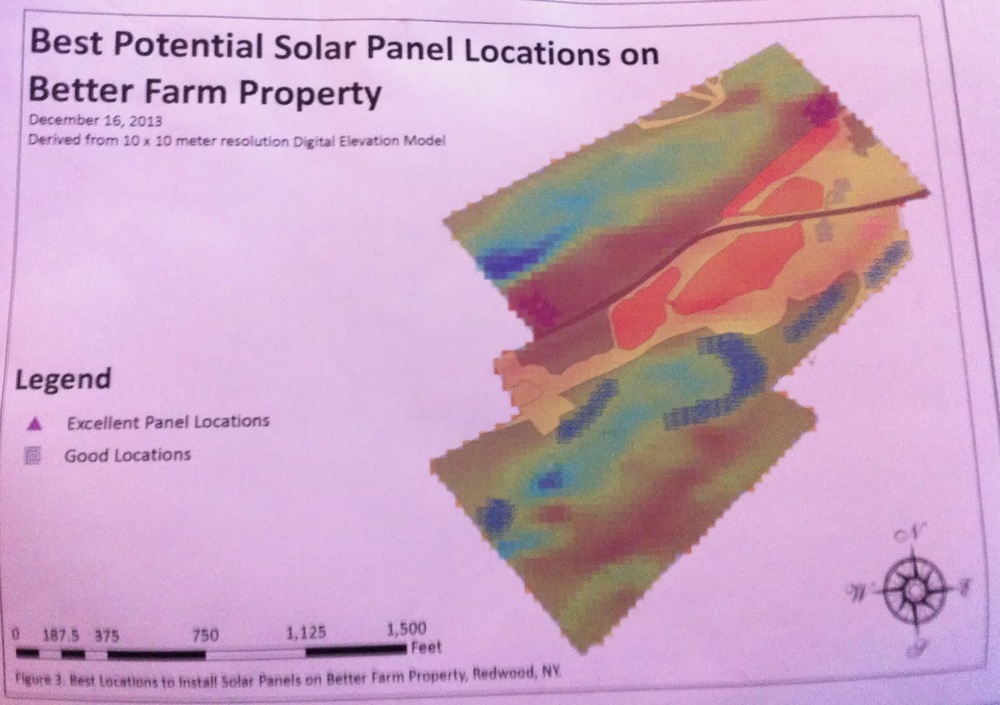
To create Figure 3, figures 1 and 2 were overlapped, the solar radiation map was made transparent use the "Effects" toolbar, and the spaces that had the highest solar radiation were marked using a "points" shapefile.

RESULTS:
Fig. 3
Based on these map overviews, it seems the spaces that experience the highest amounts of solar radiation are located on the forested portions of the property.  This is not unexpected, as approximately 73 percent of the property is forested (Fig. 1, Table 3). However, the areas experiencing the strongest amount of solar impact also happen to be located on edges; so if solar is ever to be installed at these locations, getting to these spots and clearing forested spaces would not be nearly as involved relative to other locations on the property.

The areas with the second-greatest amounts of solar radiation are generally located in more remote zones and are more difficult to access; however there is one location on the southern end of the property's lawn that would make a good location to set up solar panels. No land clearing would be necessary, as the space is vacant and there is little slope to interfere with the installation (Fig. 3).

Though solar power may not be in Better Farm's immediate future, these three maps may be used as references for numerous other projects involving property management and planning—be it for organizing crop locations for Better Farm's garden, building trails through the forest, or even as an educational tool for visiting students and guests.

Fig. 1.
Fig. 2.

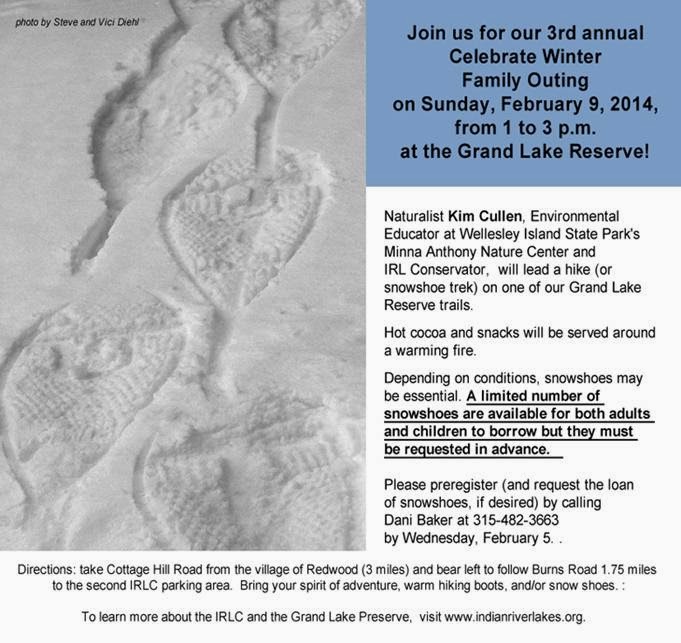
IRLC to host Winter Hike Feb. 9

The Indian River Lakes Conservancy has scheduled its third annual "Celebrate Winter Family Outing" from 1-3 p.m. Sunday, Feb. 9, at the Grand Lake Reserve:

Comment

Nicole Caldwell

Nicole Caldwell is a self-taught environmentalist, green-living savant and sustainability educator with more than a decade of professional writing experience. She is also the co-founder of Better Farm and president of betterArts. Nicole’s work has been featured in Mother Earth News, Reader’s Digest, Time Out New York, and many other publications. Her first book, Better: The Everyday Art of Sustainable Living, is due out this July through New Society Publishers.