
Photos from Sackets Harbor's Fall Faire
/

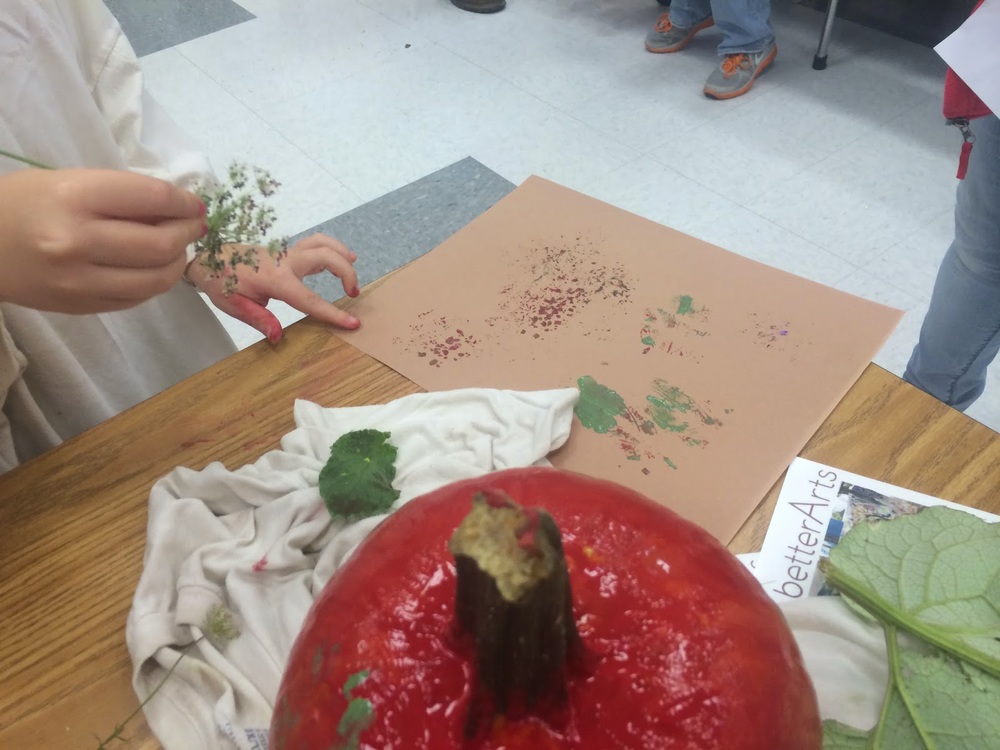
The kids had a blast making their pumpkins totally expressive, colorful works of art. And yes, the adults enjoyed getting their hands dirty as well! Here are some photos from the day:











In the United States, energy use accounts for 82 percent of our greenhouse gas emissions. Fracking for shale gas brings with it a host of environmental concerns (shale gas is expected to comprise 50 percent of all natural gas produced in the U.S. by 2035, by the way), while our continued reliance on coal and oil are killing the planet (if you want to ruin your day, check out this ever-timely article by Bill McKibben in Rolling Stone). But there are renewable resources we could be tapping into in order to heat our homes this winter.
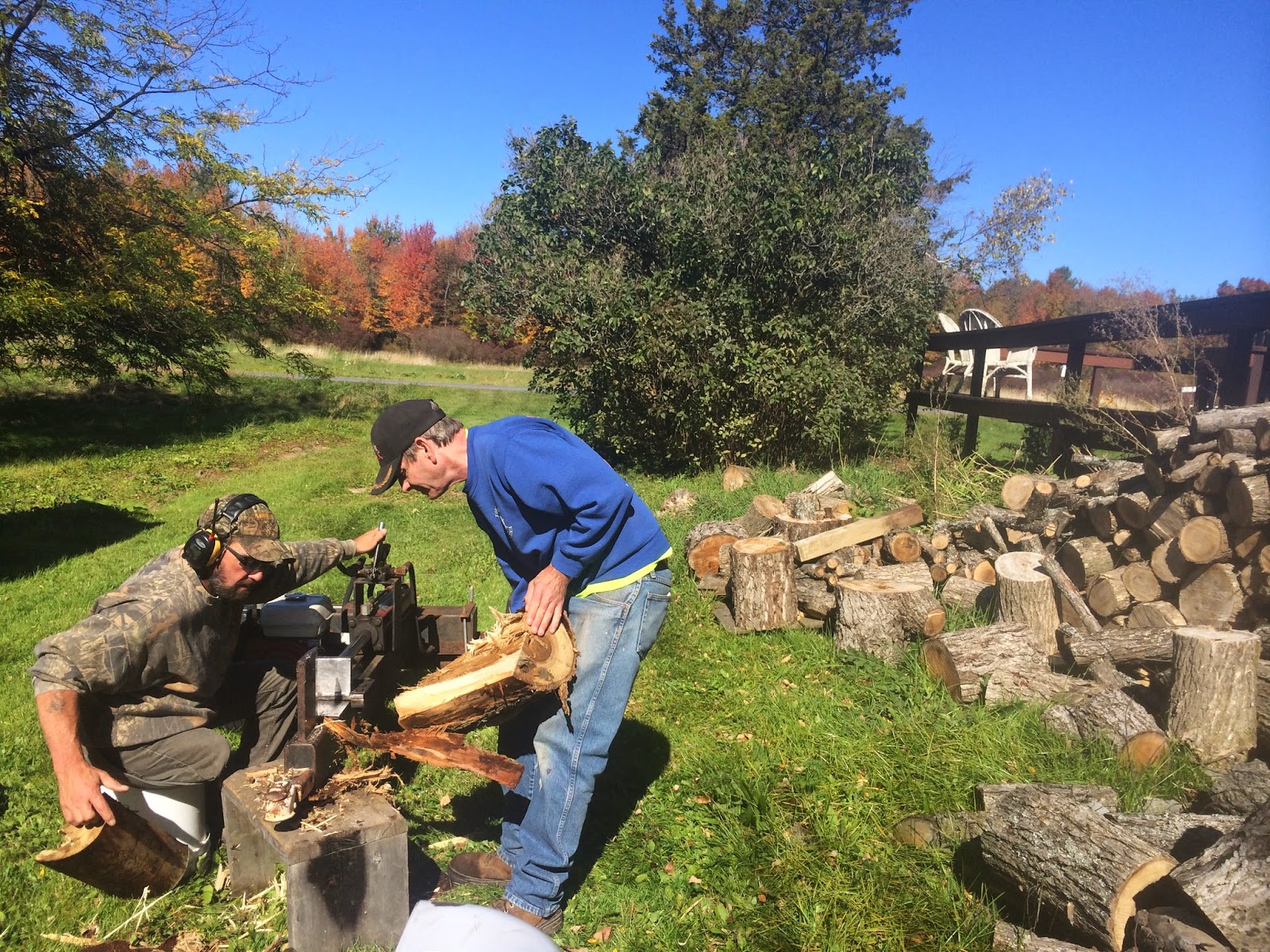
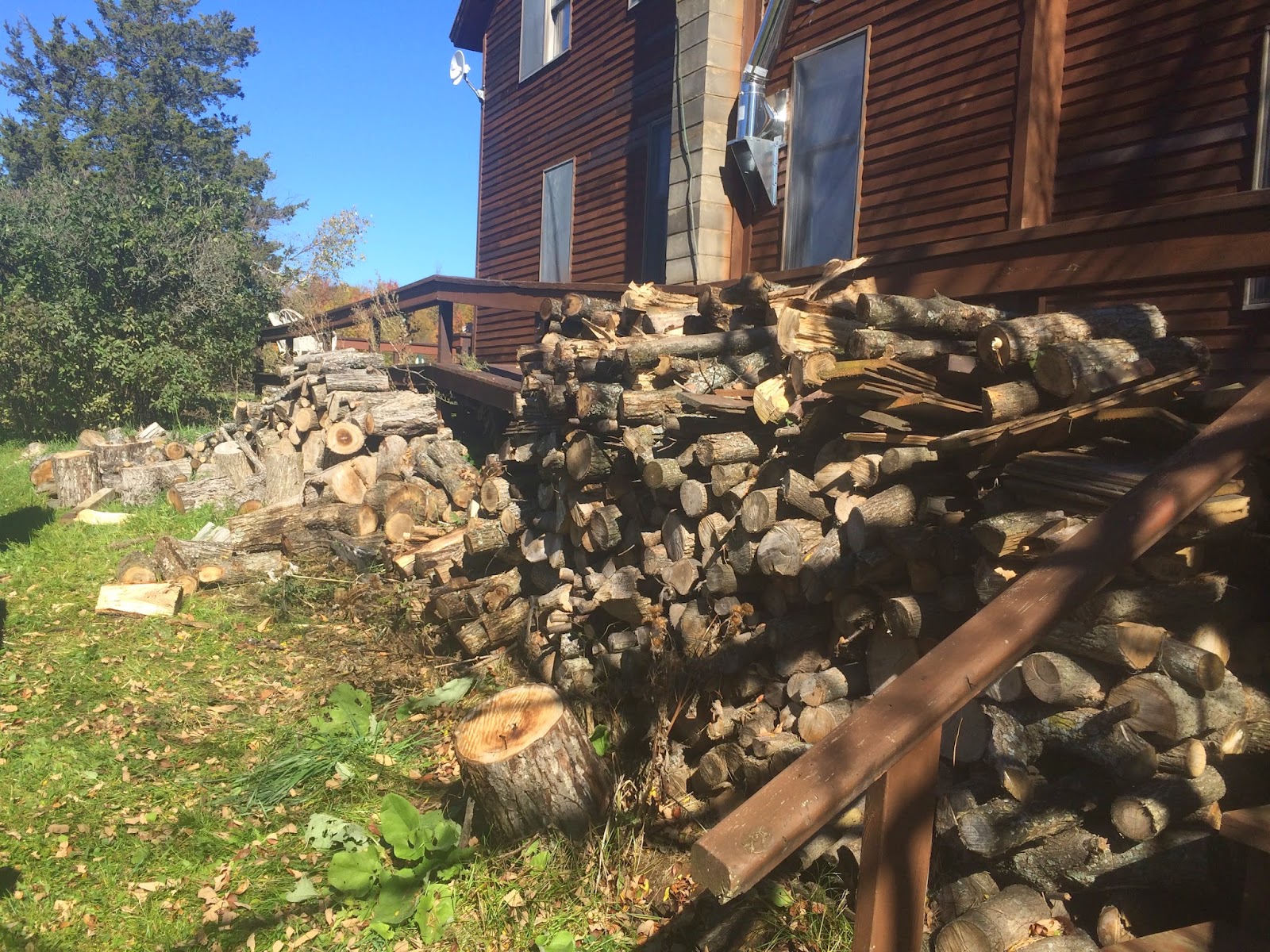
To get Better Farm off its fuel-oil furnace, we're now sporting a wood stove (utilizing standing-dead trees on the property and logs from a woodlot three miles away) and pellet stove. We of course realize these options aren't available to everyone. So depending on where you live and what's available to you, consider looking into one of these options for producing heat in your home this year.
Geothermal
Geothermal solutions are prized for their efficiency. These all-in-one 'forced-air' or 'water-to-air' systems can provide comfort to your home more efficiently than any other type of ordinary system. Put simply, geothermal is a method for heating and cooling a structure using the constant ground temperature. In reality the Earth is the world’s largest solar collector and at depths of roughly 5 feet below grade the Earth has stored enough energy to maintain about a 50 degree temperature ( in our area of Pennsylvania) year round. Geothermal heating and cooling utilizes a ‘ground source’ heat pump to either extract heat from the ground during the winter or reject heat into the ground during the summer. While the geothermal setup will pull additional electric, a solar kit can change all that.
(Western Pennsylvania Geothermal Heating and Cooling, Inc.)
Solar-Powered Heat Pump
Modern ductless, mini-split air source heat pumps (ASHPs) run 2-3x as efficiently as traditional 'resistive' electric heat, making the cost to run the units equivalent to buying oil at $1.68/gallon.
Simultaneously, they provide air conditioning using half the energy as traditional window or central air conditioning systems. Best yet—by installing a solar electric array to power the electric consumption of the heat pumps, you effectively have a solar space-heating system. Your solar array will generate credits in the summertime (when it is sunniest) which allow you to run the heat pumps in the wintertime (when it is coldest). Your system will effortlessly generate all the 'fuel' it ever needs from clean, abundant sunshine!
Pellet Stoves
The new pellet stove coming soon to Better Farm's library.
For those who like wood stoves but don't love handling firewood and tending the fire, pellet stoves are great options and utilize totally renewable resources. Pellets for these stoves are made from compressed wood byproducts and other biomass. The appliances vary from designs that are lit manually, with heat output controlled directly by the homeowner using a dial or buttons, to those units that ignite electrically, with pellet supply and heat output controlled automatically by a wall-mounted thermostat. Wood pellets produce almost no net climate-changing carbon dioxide if they are used as fuel — although some fossil fuels typically are used in the manufacture and transportation of pellets. The technology for modern residential pellet heating systems was invented back in 1983. This technology is now reliable, mature, and effective. The main question left to answer is whether the pellet lifestyle makes sense for you. And to answer this question you need a glimpse inside the process.
Wood Heat
Wood is a totally renewable resource. If you live on a lot of property, there are seemingly endless reserves of standing-dead trees that can be harvested in a responsible way. We scored more than eight cords this year by doing responsible tree-felling in the woods at Better Farm alone, and there is plenty more where that came from. A few wood heat facts:
Wood-burning stoves are better in environmental terms as the amount of carbon dioxide released into the atmosphere is the same as that absorbed by the tree during growth.
Trees are a renewable resource (particularly when derived from plantations and cultivated woodland; or in our case, when you plant new trees and only cut down standing-dead ones).
Wood ashes can be used very successfully in the vegetable garden (except in the area where you plan to grow potatoes). Mix the ash thoroughly with your soil. Tomatoes seem to benefit especially from soil that has been mixed with a small quantity of wood ash.
Nothing is cozier than sitting around inside on a frigid day in front of a toasty-warm wood stove. Nothing.


Care to share your methods of alternative heat? Email info@betterfarm.org.
| ||






Does pH hold the key to preventing cancer? Some say cancer cells can not thrive in an alkaline environment.
While most of us now acknowledge the link between food choice and waistline, there's quite a bit more work to be done to educate the masses about how food can function as health care—or can work against us, even as a link to things like cancer.
A carcinogen is, quite simply, anything that causes cancer. Many carcinogens are not immediately toxic, making them seem less harmful than they are. Common carcinogens include things like cigarette smoke; but your food can carry whopping amounts that can wreak havoc on your health.
Cooking food at high temperatures (i.e. grilling or barbecuing) can create the formation of carcinogens comparable to cigarette smoke.The known animal carcinogen acrylamide is created in fried or overheated carbs (French fries, potato chips).
Here's a list of the top-10 foods that may contain carcinogens that can cause cancer in your body (info gleaned from
Natural Health News And Discoveries
), due to carcinogens and high acidity levels
:
Genetically-modified organisms (GMOs). It goes without saying that GMOs have no legitimate place in any cancer-free diet, especially now that both GMOs and the chemicals used to grow them have been shown to cause rapid tumor growth. But GMOs are everywhere, including in most food derivatives made from conventional corn, soybeans, and canola. Avoid them by sticking with certified organic, certified non-GMO verified, and locally grown foods that are produced naturally without biotechnology
Processed meats. Most processed meat products, including lunch meats, bacon, sausage, and hot dogs, contain chemical preservatives that make them appear fresh and appealing, but that can also cause cancer. Sodium nitrite and nitrate have been linked to significantly increasing the risk of colon and other forms of cancer. Choose only uncured meat products made without nitrates, and preferably from grass-fed sources.
Microwave popcorn. Bags of microwave popcorn are lined with chemicals linked to causing infertility and liver, testicular, and pancreatic cancers. The EPA recognizes the perfluorooctanoic acid (PFOA) in microwave popcorn bag linings as “likely” carcinogenic, and several independent studies have linked the chemical to causing tumors. Too, the diacetyl chemical used in the popcorn itself is linked to causing lung damage and cancer.
Soda pop. Like processed meats, soda pop has been shown to cause cancer. Loaded with sugar, food chemicals and colorings, soda acidifies the body and literally feeds cancer cells. Common soda pop chemicals like caramel color and its derivative 4-methylimidazole (4-MI) have also specifically been linked to causing cancer.
‘Diet’ foods, beverages. Even worse than conventional sugar-sweetened soda pop, though, is “diet” soda pop and various other diet beverages and foods. A recent scientific review issued by the European Food Safety Authority (EFSA) of more than 20 separate research studies found that aspartame, one of the most common artificial sweeteners, causes a range of illnesses including birth defects and cancer. Sucralose (Splenda), saccharin and various other artificial sweeteners have also been linked to causing cancer
Refined ‘white’ flours. Refined flour is a common ingredient in processed foods, but its excess carbohydrate content is a serious cause for concern. A study published in the journal Cancer Epidemiology, Mile Markers, and Prevention found that regular consumption of refined carbohydrates was linked to a 220 percent increase in breast cancer among women. High-glycemic foods in general have also been shown to rapidly raise blood sugar levels in the body, which directly feeds cancer cell growth and spread.
Refined sugars. The same goes for refined sugars, which tend to rapidly spike insulin levels and feed the growth of cancer cells. Fructose-rich sweeteners like high-fructose corn syrup (HFCS) are particularly offensive, ascancer cells have been shown to quickly and easily metabolize them in order to proliferate. And since cookies, cakes, pies, sodas, juices, sauces, cereals, and many other popular, mostly processed, food items are loaded with HFCS and other refined sugars, this helps explain why cancer rates are on the rise these days
Conventional apples, grapes, and other ‘dirty’ fruits. Many people think they are eating healthy when they buy apples, grapes or strawberries from the store. But unless these fruits are organic or verified to be pesticide-free, they could be a major cancer risk. The Environmental Working Group (EWG) found that up to 98 percent of all conventional produce, and particularly the type found on its “dirty” fruits list, is contaminated with cancer-causing pesticides
Farmed salmon. Farmed salmon is another high-risk cancer food. Farmed salmon not only lacks vitamin D, but it is often contaminated with carcinogenic chemicals, PCBs, flame retardants, pesticides and antibiotics,
Hydrogenated oils. They are commonly used to preserve processed foods and keep them shelf-stable. But hydrogenated oils alter the structure and flexibility of cell membranes throughout the body, which can lead to a host of debilitating diseases such as cancer. Some manufacturers are phasing out the use of hydrogenated oils and replacing them with palm oil and other safer alternatives, but trans fats are still widely used in processed foods.
Here's some more food for thought:
Cancer thrives in an acidic environment and cannot survive in an alkaline environment.
Cancer cells make your body even more acidic as they produce lactic acid. So if you have cancer, your pH levels are low and your body is too acidic.
Taking action to make your body more alkaline is vital in the battle against cancer.
Unfortunately, the majority of food and drinks we consume are acidic, such as meat, grains and sugar, with colas and other soft drinks being highly acidic. So unless you have been eating a very healthy diet, full of fresh fruit and vegetables, chances are good your body is too acidic, providing the perfect environment for cancer to grow.
Actually, too much acidity is an underlying factor in many degenerative diseases -- diabetes, arthritis, fibromyalgia and more. A basic maxim of natural physicians is: Balance the biological terrain. Do this first, then everything can come back to normal. There is a long history of reversing cancer simply by alkalinizing the body. It is one of the basic strategies in the battle against cancer and for improving your health in general.
In order for our bodies to maintain the best living environment,
the optimal level is close to 7.4
. This is at a slightly alkalizing state. Although, 7.36 to 7.44 is also an acceptable range
Virtually
everyone
with cancer has low pH levels. Low pH causes your body to store more toxins in cells, and reduces oxygen levels, both of which are fundamental to the development of cancer. When cancer cells grow, they produce even more acid, making it very difficult to raise pH levels.
When you take supplementation to increase pH levels, your cells notice the difference and start to dump some of the toxins they are holding back into the bloodstream now that they have a chance to get rid of them. Because the cells are releasing these stored toxins, your pH levels drop again. This detoxification process can take months to get through.
In addition, because cancer cells pump out lactic acid as a byproduct of their energy production, they create even more acidity. It can take a long time to normalize pH because of these factors, but, as you do, you can make your body, in a sense, "cancer proof".
Here's a cheat sheet of foods that increase the alkalinity in your body (list compiled from
,
and
):
Root vegetables—Due to the healing "yang" nature of these foods in traditional Chinese medicine, and their tendency to be more rich in minerals than many other vegetables, it may be safe to say that you can't get enough of them. Look for radishes especially (black, red or white), as well as beets, carrots, turnips, horseradish and rutabaga.
Olive Oil
Cruciferous vegetables—broccoli, cabbage, cauliflower, Brussels sprouts
Leafy greens—kale, Swiss chard, turnip greens and spinach - of which spinach may in fact be the best pick. Known especially for its rich vitamin K and folate content, spinach is also packed with vitamins, minerals, phytochemicals, antioxidants and fiber, helping to improve digestion and even vision.
Garlic—A true miracle food, garlic appears at the top of innumerable lists of foods that encourage overall health, and alkaline-forming food is no exception. Among its other benefits are its ability to promote cardiovascular and immune health by lowering blood pressure, cleansing the liver and fighting off disease.
Cayenne peppers (capsicum)—With enzymes essential to endocrine function, cayenne is among the most alkalizing foods. It is known for its antibacterial properties and is a rich supply of vitamin A, making it a helpful agent in fighting off the harmful free radicals that lead to stress and illness.
Raisins
Watermelon
Avocado—These are also at the top of the list of alkalizing foods. Avocados contain high amounts of essential vitamins, fatty acids, and amino acids.
Red wine
Celery
Lemons—Lemons may be the most alkalizing food of all. As a natural disinfectant, it can heal wounds while also providing potent and immediate relief for hyperacidity and virus-related conditions, as well as coughs, colds, flu and heartburn. Lemon also works to energize the liver and promote detoxification.Try starting your day with a warm glass of water and lemon.
Bananas
Cancer thrives in an
acidic environment
and cannot survive in an alkaline environment. Cancer cells make your body even more acidic as they produce lactic acid. So if you have cancer, your pH levels are low and your body is too acidic.
Taking action to make your body more alkaline is vital in the battle against cancer.
Unfortunately...
The majority of food and drinks we consume are
acidic
, such as meat, grains and sugar, with colas and other soft drinks being highly acidic. So unless you have been eating a very healthy diet, full of fresh fruit and vegetables, chances are good your body is too acidic, providing the perfect environment for cancer to grow.
Actually, too much acidity is an underlying factor in many degenerative diseases -- diabetes, arthritis, fibromyalgia and more. A basic maxim of natural physicians is: Balance the biological terrain. Do this first, then everything can come back to normal.
- See more at: http://www.cancerfightingstrategies.com/ph-and-cancer.html#sthash.qcbH7hSf.dpuf

 |
| Organic cantaloupe from Better Farm's garden, chock-full of seeds ready for saving. |
GM seeds, or genetically modified seeds, are seeds that have been created under artificial conditions to meet a specific list of criteria, usually resistance to a package of pesticides and herbicides sold with them. The home gardener is not likely to come across this type of seed because at the moment GM seed is mostly confined to large-scale commercial agriculture. GM seeds are also patented, which means you cannot legally reproduce it unless you pay the maker a royalty. Without belaboring the arguments pro or con about GM seeds, you should avoid buying any seeds that are patented. Most seed packets will state very clearly whether they contain patented material.
Another type of patented seeds are the F1 hybrids, crosses between different plant species. You cannot save seeds from hybrids because they will not grow true to type. Hybrids are common in seed catalogs everywhere and must be listed as such. After World War II, a few seed companies got the lucrative idea that F1 hybrids were better than traditional seeds and thus began to market them based on perceived benefits, primarily that the cross would have some special trait, such as wilt resistance. More importantly (to the companies marketing them), because you cannot save seeds from F1 hybrids, you have to keep buying new seed. F1 hybrids eventually lose their special traits, and companies must create new ones every few years to adjust for this decline. The seedless watermelon is a good example. It is a patented food because the seeds have been bred out, which is not natural, and the cross is not stable. Indeed, it will produce no viable seed.
A third type of seed—and the only one you can save—is old-fashioned open-pollinated seed. This means that nature did the pollinating: bees, wind, birds, dew or rain. These seeds are the most “natural,” with no intervention by humans, and can be further divided into heirlooms and nonheirlooms. Heirloom varieties have been around for several generations and have thus proven their worth; they are true hand-me-downs like the tasty and attractive ‘Moon and Stars’ watermelon developed in the 1920s. Nonheirlooms are more recent open-pollinated plants, such as the ‘Green Zebra’ tomato developed in the 1980s, that are heading toward the heirloom category.
 |
| Previous Energy Globe Award winner, Water Category, K2 Eco Tank by FMD Design Studio. This shower-sink collects and filters graywater after use and pumps said water into the toilet tank to be used for flushing. |
If you're looking for something to do as the temperatures drop away, why not give this passive solar soda can heater a try? All you'll need is some black spray paint, a bunch of empty aluminum cans, some 2x4s, and a few basic tools.
The solar soda can heater works by bringing in cool air from your home, garage, or shop through an intake hose at the bottom of the unit. Air rises through the system, which is warm from absorbing sunlight. Air comes out the top and back inside through the outtake hose—some bloggers are
reporting at as much as 120 degrees hotter than when it entered
!
We found a few variations on the design from
,
and
. Here's the basic gist; write to us with your variations and photos on the project! And yes, it works: There's even a Canadian company,
, selling the things.
Materials
240 aluminum cans
3 - 8 ft. 2x4s
4 ft. x 8 ft. x 1/2 in. sheet of plywood
High-temperature silicon
4 ft. x 8 ft. sheet of Plexiglas or Lexan
A can of heat-resistant flat black spray paint.
Plastic tubing
Drill Press with wide drill bits
Screws
Optional Air Blower (consider a solar-powered unit)
Instructions
Construct a wooden frame out the the 2x4s, approx. 4 ft. wide x 8 ft. high x 3 1/2 in. deep.
Cut a piece of plywood this size and nail it to the back of the frame.
Drill a hole in the top center of the frame - this is where you'll connect your outlet hose.
Drill a hole in the bottom of the frame - this is where your inlet hose will be connected.
Drill large holes in the tops and bottoms from all the cans except for 16 which will be on the bottom row. For those, drill the holes in the tops and sides. Caution! Aluminum cans are sharp - use heavy work gloves or other means to hold them in place as you cut the holes out.
Start placing your cans into the frame. Create 16 columns of 15 cans each. Stack them one at at time, sealing them together as you go along. Make sure the ones with side holes are on the bottom row. Allow the silicone sealant to cure.
Spray the cans and frame with the heat-resistant flat black paint.
Cover the frame with the sheet of Plexiglas or Lexan.
Cut holes in the side of the building that line up with holes in the top and bottom of the solar panel. Air will be drawn from the building through the lower hole, which should be just above floor level, and be returned through the upper hole.
Mount the completed panel on the exterior wall of the home. Alternatively, you might mount the panel in a separate frame that will allow it to be tilted more toward the sun for better exposure.
Install the blower at either the inlet or outlet. This is not essential, but will increase the efficiency of your solar heater.
This unit allows air to flow all around the cans as it moves through the panel. A more efficient design will force all the air through the inside of the cans. This will also avoid exposure of the air to the black paint.


 |
| Image from larac.org |