BetterArts to Host Children's Room at Irish Fest March 15, 16

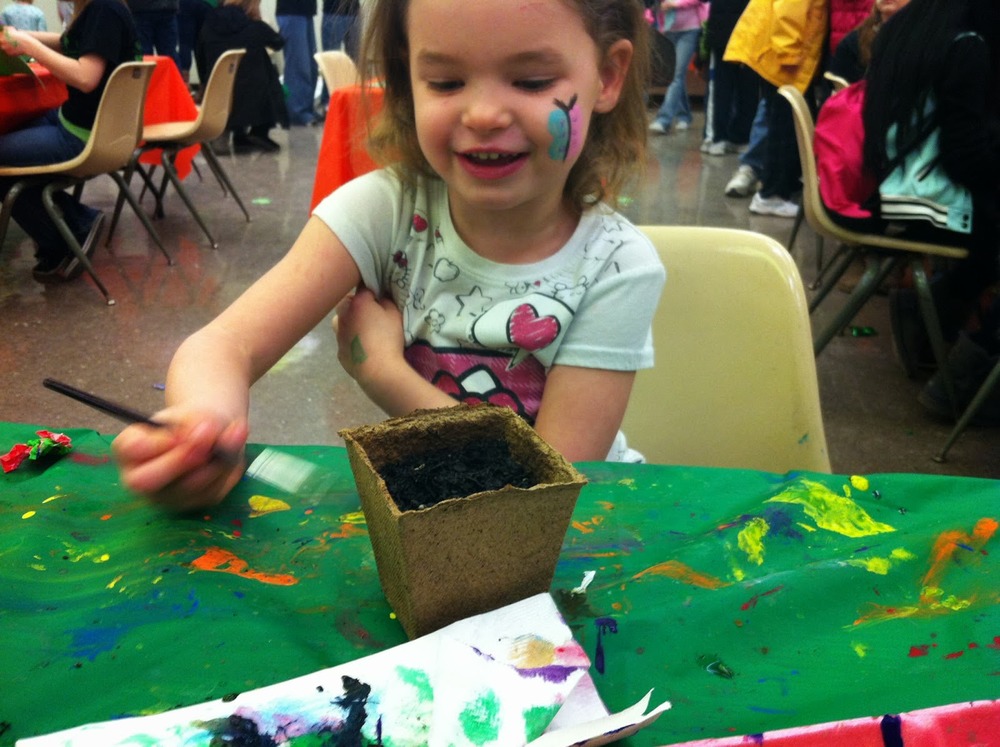
For the second year, betterArts will host the Children's Room at North Country Goes Green Irish Festival to provide arts 'n' crafts and games to kids of all ages.


The three-day event, which draws thousands of people to the Dulles State Office Building where festivities are held, features a parade, entertainment, activities, and food all weekend long. BetterArts will host children's events Saturday and Sunday. The festival opens up at 5:30 p.m. Friday, March 14 with Irish folk music, a beard contest, and lots of other live entertainment.


Entertainment is slated from 11 a.m.-midnight on Saturday and 1-5 p.m. Sunday on two floors of the Dulles State Office Building. The parade is scheduled at 1 p.m. Sunday, beginning on Flower Avenue East and ending at the state office building. For the full schedule of events, click here.

This year's children's room will feature the following activities hosted by betterArts:


  • Games: Ring Toss, Pin the Hat on the Leprechaun, Bean Bag Toss, Fishing Game, Corn Hole
  • Arts 'n' Crafts: Egg-Carton Caterpillars, Coloring, Build-Your-Own Leprechaun
  • Face Painting
  • Jewelry Making
  • 'Go Green' arts 'n' crafts project
Tickets will be available on-site and are as follows: $6 admission Friday and Saturday, younger than 12 is free. Sunday is family day with $6 admission for family and $2 individual admission. The Dulles State Office Building is located at 217 Washington St., Watertown.

Proceeds from the Irish Festival will go to “Project Children North” which brings kids from Ireland for 6 weeks in the summer. Children stay with local host families and get the opportunity to experience the United States The proceeds from the festival also goes to scholarships and other charities such as Wounded Warrior, USO, Credo Foundation, Watertown Urban Mission and food pantries within the tri-county area. 
Comment

Nicole Caldwell

Nicole Caldwell is a self-taught environmentalist, green-living savant and sustainability educator with more than a decade of professional writing experience. She is also the co-founder of Better Farm and president of betterArts. Nicole’s work has been featured in Mother Earth News, Reader’s Digest, Time Out New York, and many other publications. Her first book, Better: The Everyday Art of Sustainable Living, is due out this July through New Society Publishers.

Local Act 'Bad Husbands Club' Added to Better Festival Roster

Bad Husbands Club perform at Chippewa's ice-fishing derby in February.
The Bad Husbands Club has been added to the stunning Better Festival roster for 2 p.m. Saturday, June 21, at Better Farm.

The Bad Husbands Club is a rock and blues band formed in 2000 by bassist/vocalist Len Senecal. The band has had many incarnations leading up to the current one consisting of:

Emilie Cardinaux, keyboards/vocals
Bill Hill, bass and vocals 
Bryan Honeywell,  guitar and vocals
Bill McGillvray, drums
Glen Pickert, guitar and vocals
Len Senecal, bass/vocals
Anthony Ubriaco, guitar 

What started out as a party band has become a premier North-Country rock band. Playing cover songs from 5 decades and throwing in some originals (including the song that bears the band's name), the Bad Husbands Club is a crowd-pleaser that always leaves fans begging for more. 

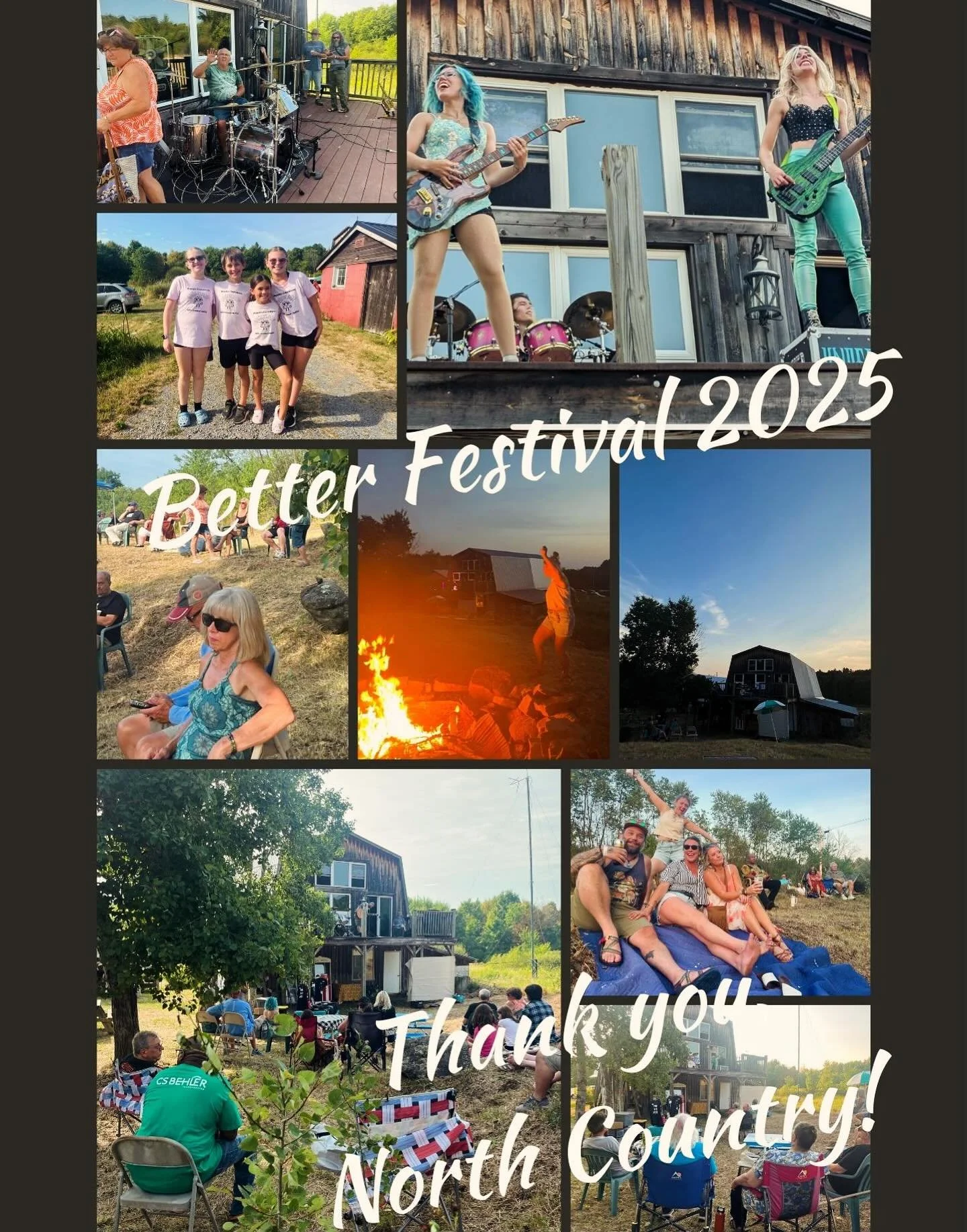
The Bad Husbands Club will perform at 2 p.m. on the main stage at Better Festival, the annual open house, fundraiser, and alumni weekend for Better Farm and betterArts. All funds raised at the event will directly fund art- and sustainability-related community outreach initiatives in and around Redwood.
 
The day-long event features live performances by local and regional bands, a gallery showcasing artwork by painters, sculptors, photographers, and more, booths featuring art and handmade items for sale, tours of the Better Farm campus, information about Better Farm and betterArts 2014 programming, arts and crafts for kids (and adults!), freshly prepared and locally sourced food, a refreshments tent, games, bouncy castle, and more! To introduce betterArts' latest endeavor Better Radio, there will be a booth set up for people to create content for that station. Music will also be recorded for live-streaming and podcasts.
 
Camping is available for $10/person/night. Accommodations are available Friday through Monday, or any night therein.

The Bad Husbands Club covers everything from the Allman Brothers Band, Duran Duran, David Bowie, Bob Dylan, the Stray Cats, Coldplay, Traffic, Clapton, the Clash, Neil Young, the Stones, Warren Zevon, the Tragically Hip, the Band, Santana, BTO, and even Johnny Cash. The group is always learning new stuff too—so you can expect to hear songs you love but don't hear every bar band play. No matter your musical taste or age, good music is good music!

Learn more about the Bad Husbands Club:
"Art is a jealous mistress; and if a man have a genius for painting, poetry, music, architecture or philosophy, he makes a bad husband and an ill provider."—Ralph Waldo Emerson
Comment

Nicole Caldwell

Nicole Caldwell is a self-taught environmentalist, green-living savant and sustainability educator with more than a decade of professional writing experience. She is also the co-founder of Better Farm and president of betterArts. Nicole’s work has been featured in Mother Earth News, Reader’s Digest, Time Out New York, and many other publications. Her first book, Better: The Everyday Art of Sustainable Living, is due out this July through New Society Publishers.

Introducing betterArts Resident John Dunsö


John Dunsö, a guitarist and singer from Malmo, Sweden, last week joined us Better Farm for a month-long betterArts residency.

He's  the former guitarist and back up vocalist from a Swedish pop band called Billie the Vision and the Dancers (check out their amazing music here!), a band that released five records while Dunsö was on board from 2004 on and toured extensively throughout Sweden and Europe. John left the band a few years ago to pursue his own, solo music; taking off to travel throughout South America and the United States, write, and gig. While he traveled, he wrote what would become the beginnings of his solo album.

During his betterArts residency, John is working on the completion of his solo album. He's also working all the marketing for these songs; which involves daily Skype calls to Swedish radio stations seeking placement. After this, he will go on tour and perform the album live. His goal is to start and finish at least two or three songs and record them to bring home to Sweden for proper studio recording.

So why choose a betterArts residency at Better Farm? This guy loves open space, and he loves physical work. Perfect for us! "I would so much want to avoid distractions and really concentrate and get inspired by other artists," he told us in his application. "When I traveled in South America I spent a lot of time working on farms far from the big cities. I wrote so much there, so I know that isolation together with physical farm work really helps my creativity."

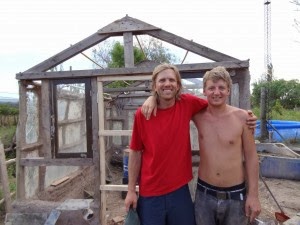
Some of his work in South America included constructing a greenhouse at a place called Finca Biodinamica Cosmos out of the adobe straw-bale method:


Here's the short list of John's upcoming contributions during his time at Better Farm—all in addition to creating lots of wonderful music:
  • Cooking
  • Performing live at various locations throughout the North Country
  • Helping with assorted construction/demolition projects slated this month
  • Providing chicken care
  • Volunteering in kids' arts 'n' crafts room at North Country Goes Green Irish Festival March 15 and 16
We will be archiving his song tracks for distribution through Better Radio, on-air and online.

We'd like to extend the warmest welcome to John! Stop in at 8 p.m. Monday, March 24, at the Redwood Tavern to see John perform live! There is no cover charge for this performance.


To learn more about betterArts residencies and to apply, click here. The music video posted above was recorded in Saxemara, Sweden where John grew up. The video is mixed with old, filmed material his father shot of his family 26 years ago. 
Comment

Nicole Caldwell

Nicole Caldwell is a self-taught environmentalist, green-living savant and sustainability educator with more than a decade of professional writing experience. She is also the co-founder of Better Farm and president of betterArts. Nicole’s work has been featured in Mother Earth News, Reader’s Digest, Time Out New York, and many other publications. Her first book, Better: The Everyday Art of Sustainable Living, is due out this July through New Society Publishers.

Spring Chickens!

Each Spring at Better Farm, we address, expand, revamp, and otherwise improve our flock of hen

s, roosters, c

hicken tractors and coops

.

Now coming into our FIFTH spring (!!), we've got a rotating system for adding

new members to the group by hatching, adoption, rescue, or purchase. One year we adopt, rescue, and/or purchase new birds, and the following

year we

hatch some of our own hybrid babies. With the tas

k of

rehabbing birds from factories

(and keeping all our b

irds free

-range, su

sceptib

le to

any number of wild threats

)

come inevitable losses

; so each spring is an opportunity to replenish the flock and diversi

fy the gene pool.

In addition to adopting and reha

bbing birds, we provide rehoming services to bir

ds we've r

aised and

/or rehabilitated. If you're interested in adopting a rooster or

rehabil

itated factory hen

, plea

se contact us at info@betterf

arm.org.

When you're figuring out what kind of chickens to get, there are three very important considerations: weather hardiness, temperament, and egg production/meat. It does you no good to get a Silky in the North Country (they hate the cold!), or a decora

ti

ve bird that only lay

s

two or three eggs a week when you're

trying to

produce your

own eggs for eating

or selling.

With all these factors in mind, here's the

lowdown on the feathered friends we'll be adding to our flock

From

Meyer Hatcher

y

. Keep in mind we'll also be adopting about 10 more leghorns from a local egg factory to be r

ehabbed and rehomed as free-range he

ns.

German Spitzhauben

The German Spitzhauben is an active, ornamental bird

originating from Switzerland that actually flies fairly well for a chicken. Originally bred for steep mountainous terrain

, they are good climbers and foragers

, they will forage most of their food if given the chance to. They like to roost in trees especially during cold snaps. They boast a single pointed hood, with feathers defined as crazy in a “Cruella

De Vil” sort of way. Their average maturity weight is

5.5 lbs. for a rooster, 4 lbs. for a hen.

Class:

Europe

Origin:

Switzerland

Comb Type:

V-Shaped Comb

Egg Color:

White

Egg Size:

Meduim

Production:

Fair/Good

Matures:

Early

Bird Size:

Small 4 - 6 lbs.

Broody:

No

Hardiness:

Very Cold Hardy

Personality:

Active, Flyer

Light Brahma

Introduced in the mid 19th century from China, they were imported to England in 1840. The American Poultry fanciers refined the original stock into a large stately breed. They make a good dual purpose breed and though they may only lay 3 or 4 eggs a week, they are known for good winter production. Brahmas do alright in confinement but do much better if they have access to an outdoor run. They are mellow, quite hardy and make good pets. Brahmas are comfortable in heat and cold.  

Class:

Asiatic

Origin:

India/China/ U.S.

Comb Type:

Pea Comb

Egg Color:

Brown

Egg Size:

Medium

Production:

Good

Matures:

Slow

Bird Size:

Heavy 9 1/2 - 12 lbs.

Broody:

Frequently

Hardiness:

Hardy in Cold and Heat

Personality: Gentle, easy to handle

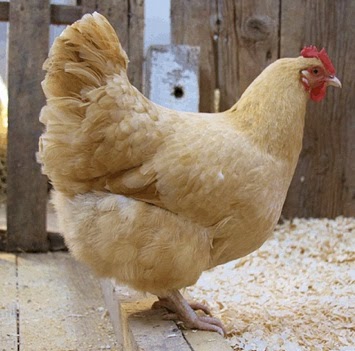
Buff Orpington

Buff Orpingtons are a popular dual-purpose variety and are sometimes called "Big Bufffs."

This is a friendly and affectionate breed which would be good for children. Since they are so calm and quiet they can become bullied by an aggressive breed.

Because

they are loosely feathered, they appear to be heavier than their true weights. Their golden buff feathers are broad and smooth-fitting on this deep-bodied breed. They have quiet dispositions, make excellent mothers, and are one of the most broody of standard breeds. Their white skin is a cosmetic

disadvantage for use as meat birds.

Class:

English

Origin:

England

Comb Type:

Single Comb

Egg Color:

Brown

Egg Size:

Large

Production:

Good

Matures:

Moderately Early

Bird Size:

Heavy 7 - 8 1/2 lbs

Broody:

Yes

Hardiness:

Very Cold Hardy

Personality:

Docile, Quiet, Affectionate

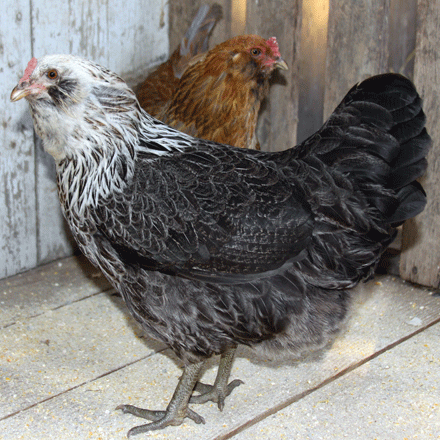
Easter Egger

Commonly known as the Easter Egg Layer, these birds are good layers and produce eggs that range from olive green to turquoise blue

which their name comes from. They're derived from Araucanas or Ameraucanas (hence the green eggs), but they're not a recognized breed because their blood line is so mixed up and varied. Their small size allows them to do well in warm weather but they also do well in cold weather.

Like their eggs, they come in an assortment of colors. They are favored for their eggs, but are large enough to be used for meat.

Average mature weight: Roosters 5 lbs, Hens 4 lbs.

Class:

All Other Breeds

Origin:

United States

Comb Type:

Pea Comb

Egg Color:

Blue/Green

Egg Size:

Medium

Production:

Good

Matures:

Moderately Early

Bird Size:

Small 4-5 lbs

Broody:

Yes

Hardiness:

Very Cold Hardy

Personality:

Active, Friendly

Comment

Nicole Caldwell

Nicole Caldwell is a self-taught environmentalist, green-living savant and sustainability educator with more than a decade of professional writing experience. She is also the co-founder of Better Farm and president of betterArts. Nicole’s work has been featured in Mother Earth News, Reader’s Digest, Time Out New York, and many other publications. Her first book, Better: The Everyday Art of Sustainable Living, is due out this July through New Society Publishers.

Spotlight On: Beginning Farmers

Whether you're looking to start a commercial farm or simply to begin homesteading, it can be a completely daunting process to figure out all the ins and outs of land stewardship, animal husbandry, growing, and self-sufficiency.


Enter Beginning Farmers, a comprehensive online resource that compiles information resources on all kinds of farm know-how, including:
  • Farm financing
  • Finding land
  • Business planning
  • Agricultural production and marketing
  • Farm-related jobs and internships
The site also features a blog with up-to-date information and news on farm policy, farming jobs and internships, agricultural research, and the changing face of American agriculture.

Taylor Reid, Beginning Farmers' founder, is a doctoral candidate in Community, Food, and Agriculture at Michigan State University. His dissertation focuses on the values and learning processes of first-generation farmers. His other research interests include agriculture standards, ag.  history, ag. politics, and ag. social movements. Taylor is National Policy Coordinator for Michigan Organic Food and Farm Alliance, and sits on the ANSI Sustainable Agriculture Practice Standard Development Committee

Check out Beginning Farmers here.
Comment

Nicole Caldwell

Nicole Caldwell is a self-taught environmentalist, green-living savant and sustainability educator with more than a decade of professional writing experience. She is also the co-founder of Better Farm and president of betterArts. Nicole’s work has been featured in Mother Earth News, Reader’s Digest, Time Out New York, and many other publications. Her first book, Better: The Everyday Art of Sustainable Living, is due out this July through New Society Publishers.

'Empty Bowls' Event at ACS March 4


Alexandria Central School (ACS) in Alexandria Bay is hosting an "Empty Bowls" event to raise money for the school's Backpack Club from 5-7 p.m. Tuesday, March 4.

At Empty Bowls, a $10 donation buys you a ceramic bowl handmade by an ACS student and filled with spaghetti. After dinner, participants may keep their bowls as reminders of all the empty bowls in the world. 

The Backpack Club provides food on the weekends to ACS children whose families cannot otherwise afford it.

Alexandria Central School is located at 34 Bolton Ave. in Alexandria Bay.
Comment

Nicole Caldwell

Nicole Caldwell is a self-taught environmentalist, green-living savant and sustainability educator with more than a decade of professional writing experience. She is also the co-founder of Better Farm and president of betterArts. Nicole’s work has been featured in Mother Earth News, Reader’s Digest, Time Out New York, and many other publications. Her first book, Better: The Everyday Art of Sustainable Living, is due out this July through New Society Publishers.

Headliners Announced for Better Festival June 21

We are pleased to announce The Mighty High & Dry as headliners for Better Festival 2014!

The Mighty High & Dry's music is rooted in soulful blues, funk, and jazz. The band is comprised of Chris Teal on drums, Kyle Vock (a Theresa native!) on bass, Alan Murphy on vocals, and Mike Frederick on guitar. Soaring off a recently released, self-titled debut, band members are in the process of recording their second album.

You can visit their page at Reverb Nation to hear some of their tracks—or come down to Better Farm June 21 for Better Festival and catch them at 6 p.m. live.

Here's the 411 on the festival:

Better Festival, the annual open house, fundraiser, and alumni weekend for Better Farm and betterArts, is slated from 12-8 p.m. Saturday, June 21, 2014.
 
All money raised at the annual music, sustainability, and arts festival will directly fund art- and sustainability-related community outreach initiatives in and around Redwood.
 
The day-long event features live performances by local and regional bands, a gallery showcasing artwork by painters, sculptors, photographers, and more, booths featuring art and handmade items for sale, tours of the Better Farm campus, information about Better Farm and betterArts 2014 programming, arts and crafts for kids (and adults!), freshly prepared and locally sourced food, a refreshments tent, games, bouncy castle, and more! To introduce betterArts' latest endeavor Better Radio, there will be a booth set up for people to create content for that station. Music will also be recorded for live-streaming and podcasts.
 
Camping is available for $10/person/night. Accommodations are available Friday through Monday, or any night therein.

Entrance to the festival is free, but donations are strongly encouraged. To volunteer, sponsor, donate, or otherwise get involved, please email info@betterarts.org.
Comment

Nicole Caldwell

Nicole Caldwell is a self-taught environmentalist, green-living savant and sustainability educator with more than a decade of professional writing experience. She is also the co-founder of Better Farm and president of betterArts. Nicole’s work has been featured in Mother Earth News, Reader’s Digest, Time Out New York, and many other publications. Her first book, Better: The Everyday Art of Sustainable Living, is due out this July through New Society Publishers.

Educational Tree-Planting Partnership with DEC Enters Third Year

Better Farm

is entering its third year of a partnership with the

Department of Environmental Conservation's School Seedling Program

, which seeks to

encourage young people to learn about the natural world and the value of trees in it

. We will invite local youngsters this spring to join us for a morning of planting 50 white spruce seedlings on our property, our mission being to provide visitors to

Better Farm

with the knowledge of how beneficial trees are to the environment.

Each year, we pledge to

plant at least 100 trees

on the property of Better Farm and in its surrounding environs. This process replenishes our local habitat and compensates for the loss of trees throughout the year due to a variety of factors (namely ice storms!). We also harvest standing-dead trees on the property, which makes way for new growth. In the last two years, we've planted 100 trees from the DEC,

dozens of fruit trees

,

weeping willows

, transplanted at least 30 pine trees, and started from seed more than 150

black walnuts

.

Most of us recognize the beauty of trees and their many other values. Trees provide food and shelter for wildlife and prevent

erosion

. They help protect our streams and lakes by stabilizing soil and using nutrients that would otherwise wash into waterways. Trees help moderate temperature and muffle noise. They even help improve air quality by absorbing some airborne compounds that could be harmful to us, and by giving off oxygen.

When students plant tree seedlings, they can see for themselves the structure of trees, learn what they need, and how they grow. Reps from Better Farm will  use the planting process to discuss the benefits trees provide, while including many subjects that their classes are studying. As seedlings mature, the young trees can be a continuing, personalized way of relating what they've learned in books to visible, living examples. We'll be utilizing mulch and compost while we plant, so students gain the added benefit of learning about how their food waste can help nourish other plants.

Better Farm's

sustainability students

will provide ongoing care to the young trees throughout their development.

Stay tuned for our planting date! In the meantime, learn more about this program by

clicking here.

To be notified via email or phone of the tree-planting date when it is determine, email us at

info@betterfarm.org

.

Comment

Nicole Caldwell

Nicole Caldwell is a self-taught environmentalist, green-living savant and sustainability educator with more than a decade of professional writing experience. She is also the co-founder of Better Farm and president of betterArts. Nicole’s work has been featured in Mother Earth News, Reader’s Digest, Time Out New York, and many other publications. Her first book, Better: The Everyday Art of Sustainable Living, is due out this July through New Society Publishers.

The Downside of Free-Range Chickens

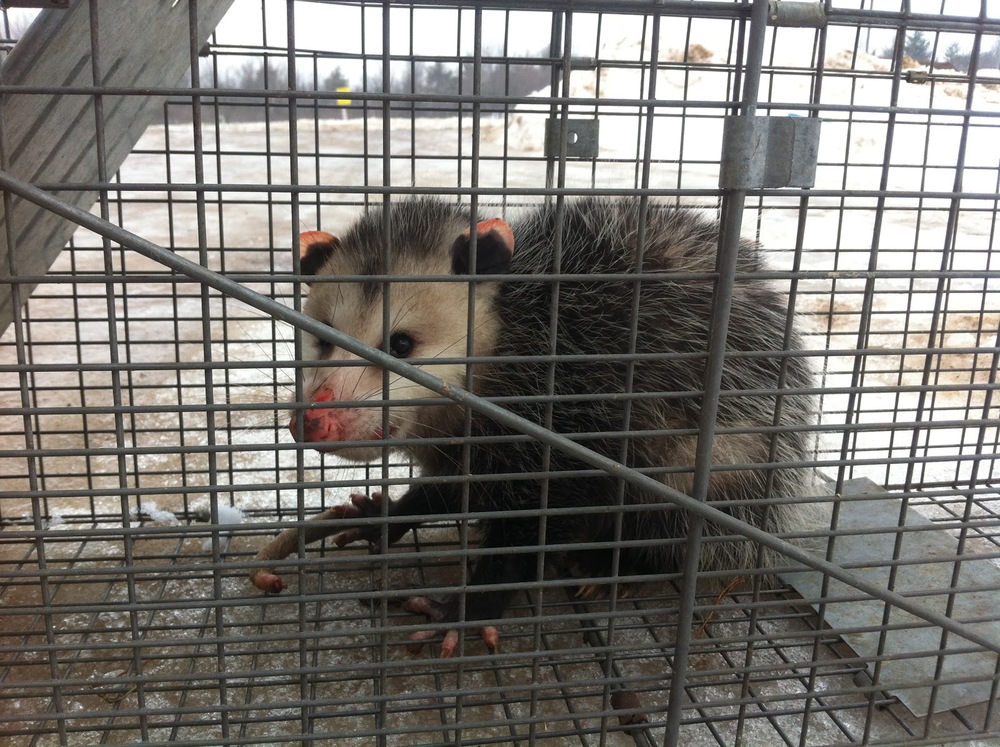
Caught red-handed: This sleazy possum wrought havoc among our chicken family and was forced to relocate.
It's a truism of animal stewardship: The more freedom you wish for your animals, the greater the risk of compromised safety.

We abide at Better Farm by the words of Edward Abbey, who puts it like this: "Freedom, not safety, is the highest good." With that tenet in mind, we encourage the animals (and humans) here to create their own destinies. For the dogs, that means unlimited space to run around and do dog things. For the chickens, that means 65 acres of land to scratch, peck, and turn over. For the people, that means designing their own curriculum, solving many of their own problems, and taking on individual projects that inspire them without the Big Brotherliness of being micromanaged or corrected all the time like they might be in a traditional classroom.

Sounds dreamy, but remember: There's a price one pays for all things.

Freedom to do largely as you wish means you're susceptible to all the things freedom brings: the ability to fail, the very real threat of putting yourself in harm's way, and the possibility of the Great Unknown; which may be wonderful or tragic. So although we subscribe to the "freedom over safety" rule, it's not always the easiest perspective to live with. This is where the Better Theory comes in; reminding us that each tragedy offers space for growth and understanding.

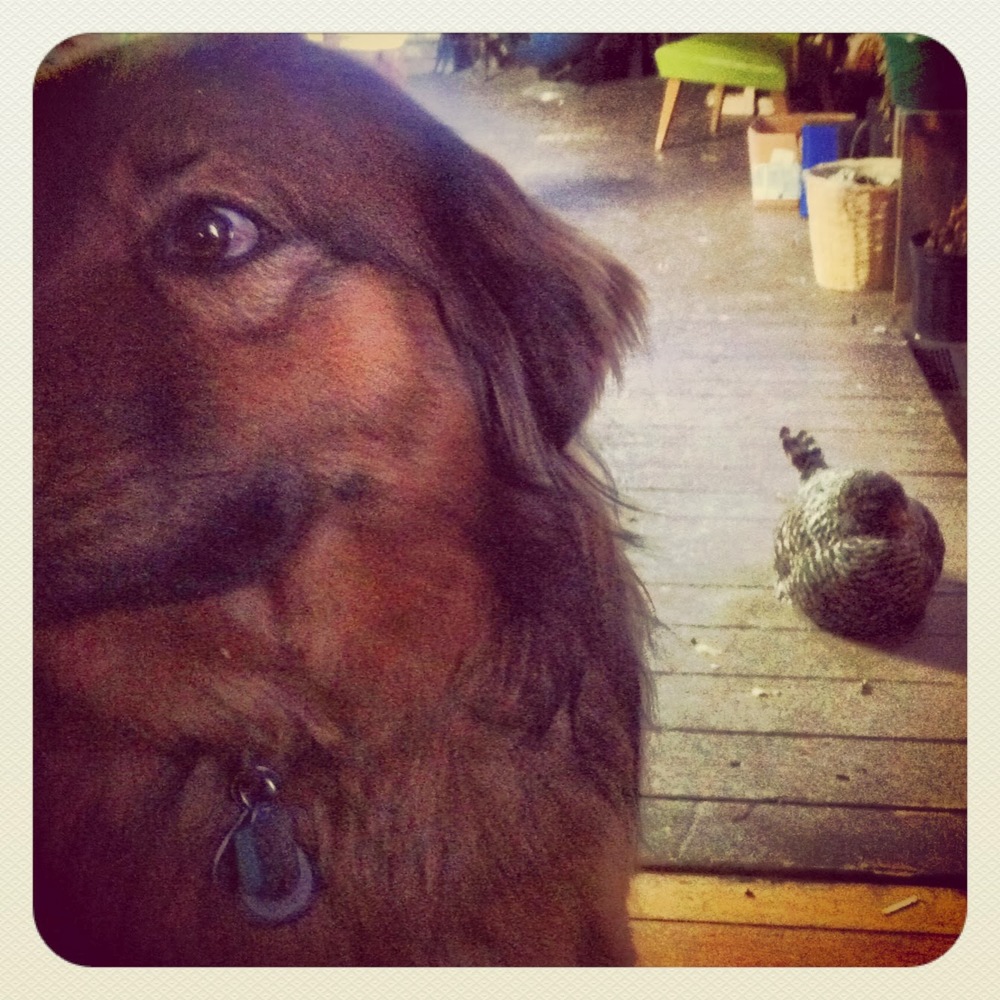
By choosing to allow our dogs endless space to run, we're always worried they might hang out in the road at the wrong time or run into a herd of porcupines or some other such thing. Allowing chickens to roam freely around the property, we face many potential hardships. Our birds weather the harshest of winters, coming inside only for medical care and R-and-R should they sustain an injury or frostbite—like Penelope here (pictured with her brave guard dog Han Solo), who's almost fully recovered since coming in out of the winter chill to defrost her feet:
We also run a high risk of our flock stumbling upon a host of North Country predators: hawks, eagles, coyotes, vehicles, foxes, raccoons, bobcats, and the list goes on. No time is the threat so large as toward the end of a particularly harsh winter; when would-be predators are just about starved and willing to do any crazy old thing in order to get an easy and satisfying meal. We go out of our way for this very reason to build chicken coops out of thick wood that sit high up off the ground, and we are diligent about closing the coops up tight promptly at sunset every evening.

My heart sank Monday night when I went outside to tuck the birds in and found absolutely none of them in their coops. Zilch. Zero. Nada. After a quick search around the yard I found them, huddled under the back deck and on top of it, letting out nervous coo sounds. I knew a predator was afoot; but couldn't determine in the waning sunlight what had happened. Then, I found our most prized rooster, Big Mama, very well near decapitated and lying in a pool of his own blood. Seems I (or the dogs) scared the predator away when we came outside. The evildoer wasn't able to finish the job.
RIP Big Mama. 2012-2014
Armed only with a so-so flashlight that evening, it was tough to find footprints or blood trails to piece this case together. So the next day, heavy with grief, I did what I could. I found signs of struggles: piles of feathers here and there, spatters of blood. The crime came into focus: whatever attacked Big Mama did so as a last resort. Likely going for one of the slower-moving old or young birds, our beautiful rooster had put himself into harm's way for the good of his hens. (Editor's note: Unsurprisingly, a significantly less loveable rooster, Kiwi, was found cowering with the rest of the hens out of harm's way.) A noticeable detail about the case was the brazenness of a wild animal to come so close to a house on 24-hour surveillance by two large dogs and constant human traffic. I mean, look at how close the chickens hang out to the house all winter long:

I let the dogs outside to sniff around and see what they could find. Their trail turned up cold.
Wednesday afternoon while working in the library, I saw the chickens hopping high up off the ground and making a huge racket. I walked outside and found a possum with several fresh battle scars on his face and tail (good work Big Mama!). Outfitted in a pair of slippers and without any weaponry or appropriate caging materials, I shooed the possum away from the hen houses, ran back inside, and grabbed a Havahart trap from the basement. I set the trap up before sunset, and by midnight we had him:
Don't be fooled by that sleepy/dead act. Possums are famous for it. Here he is yesterday morning when I was loading him into my Fiat (seriously, not the best car for relocating marsupials. Waaaay too close for comfort):
And here he is being released well away from any chickens:

So we all breathed a sigh of relief—until yesterday afternoon, when another possum was found lumbering across the back deck directly in front of the sliding glass doors. Kobayashi Maru dog was all over this, grabbing the possum like a chew toy until she went limp. Again, she was faking.
Here she is, after we saved her from the dog and put her into the trap for relocation:
So the possum wars are on. It's a good sign spring is surely on its way; but it also means lots of trap-setting and hands-wringing to ensure our flock enjoys all the benefits freedom brings—with as few hardships as possible.

If you've got an animal you'd like to relocate, please be mindful of relocation laws in your state. Many states insist you call in animal control or gain a permit in order to relocate on your own. Got a predator issue? Click here to determine what's going after your flock.
Comment

Nicole Caldwell

Nicole Caldwell is a self-taught environmentalist, green-living savant and sustainability educator with more than a decade of professional writing experience. She is also the co-founder of Better Farm and president of betterArts. Nicole’s work has been featured in Mother Earth News, Reader’s Digest, Time Out New York, and many other publications. Her first book, Better: The Everyday Art of Sustainable Living, is due out this July through New Society Publishers.

Garden Calendar

The most wonderful time of winter.
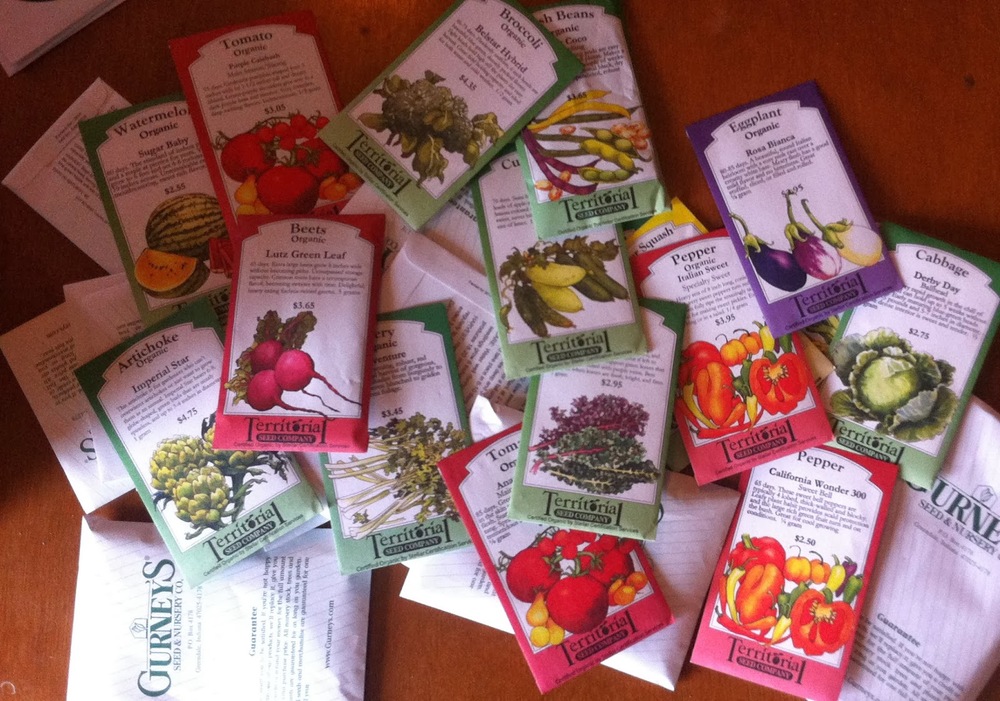
The seeds have arrived!

It truly, finally, really really really feels like spring is just around the corner. Which means it's time to address Better Farm's planting timeline to ensure we get everything going at the precisely right moment. Mapping gardens, starting seeds, and turning compost also happens to be the most wonderful way to shake off the heaviness of winter.

There are a few very important components to consider when planning your garden calendar. They are: analyzing what worked and what didn't in last year's garden (taking into account unusual weather patterns); listing what food and flowers you want to grow this year; mapping your garden; starting your seeds; nourishing your seedlings; readying the greenhouse (or wherever you keep your transplantables); and, finally, transplanting and/or direct-planting. All of the above-mentioned bullet points are affected entirely by what planting zone you're in. So if you haven't already, hop over to the USDA's website to determine which zone you're in (be advised that these zones were recently updated to reflect a slight change in climate, so it's worth taking a peek!). Here's our map for New York:
As you can see by the illustration, we float in the North Country around Zone 4, with occasional forays (depending on the year) between zones 3 and 5. Based on this information, here's what the garden calendar looks like for Better Farm from January through June:

January
  • Begin brainstorming which seeds we want, what flowers we want to grow, and what we'll be getting locally. Fresh crop of seeds sprinkled in aquaponics and hydroponics
February
  • Order seeds, organize seeds from last summer (left over and saved from 2013 plants)
  • Recalibrate house plants: transplant into larger containers, fertilize with water from aquaponics and hydroponics, trim, pollinate, and separate as needed
  • Sprinkle another round of seeds in the hydroponics and aquaponics
March
  • First week of March—plant slow-growers inside (or in greenhouse if weather allows): Brussels sprouts, cauliflower, kale, artichokes, broccoli, etc.
  • St. Patrick's Day—plant peas outside
  • Late March—plant rest of slow-growers in greenhouse: tomatoes, leeks, onions, etc.
  • Unwrap fruit trees
  • Pull burdock around pond
April
  • Clear beds for regrowth: leeks, asparagus, garlic
  • Plant potatoes outside
  • Mulch like crazy: In rows, between rows, around fruit trees
  • Build raised beds as needed
  • Turn compost
  • Begin harvesting asparagus 
  • Bring bulbs outside and plant
  • Plant new trees
  • Plant spinach outside
  • Clean up insect hotel for new visitors 
  • Nurture seedlings; move any baby plants from inside to greenhouse
May
  • Six-month cleanout of aquaponics and hydroponics, fertilize, transplant, sprinkle new seeds
  • Continue nurturing seedlings in greenhouse
  • Turn compost
  • Transplant hardiest immature plants from greenhouse to gardens
  • Mulch garden, trees
  • Rake out herb beds, bring excess mulch to compost pile or main garden
June
  • Transplant all remaining seedlings from greenhouse to garden
  • Direct-plant squash, lettuce, all herbs, beans, etc.
Comment

Nicole Caldwell

Nicole Caldwell is a self-taught environmentalist, green-living savant and sustainability educator with more than a decade of professional writing experience. She is also the co-founder of Better Farm and president of betterArts. Nicole’s work has been featured in Mother Earth News, Reader’s Digest, Time Out New York, and many other publications. Her first book, Better: The Everyday Art of Sustainable Living, is due out this July through New Society Publishers.

Think Clean Thoughts

We all like to keep a clean house; but have you ever read the back of a cleaning product label? The chemicals riddling the very products we use to make our homes sanitary have a frightening tendency to be extremely bad for us. Perfumes, dyes, and composition seem designed to wreak havoc with the systems of our respiratory, immune, and epidermis.

Here are some great recipes that will save you a bunch of money—and won't damage that temple of a body you've got.

BATHROOM CLEANER

  • 3/4 c. baking soda

  • juice from 1/2 a lemon (about 1/4 c)

  • 3 tablespoons salt

  • 3 tablespoons liquid dishwashing soap

  • 1/2 cup vinegar

  • 10 drops essential oil (optional)

Mix all ingredients together in a medium bowl to make a paste; use scrub brush or sponge to apply to tub, shower walls, & sinks.  (Be sure to test a small area to make sure paste does not scuff tub surface; if so, eliminate the salt from the mixture!  Rinse well with water and a wet rag, then dry with a clean rag or old towel. (

From Living Well, Spending Less

)

BLEACH ALTERNATIVE

Bleach is inexpensive, widely used and relatively safe when used in the correct amounts. Excessive bleach exposure, however, may cause irritation in the eyes, mouth, lungs and on skin—especially for asthma and allergy sufferers. Bleach mixed with other household cleaners, such as ammonia, can even result in the release of toxic fumes. Bleach manufacturing also produces dioxin, a chemical that is harmful to the environment.

  • Vinegar is an effective natural disinfectant, and even kills both salmonella and E. coli, making it a valuable sanitizer in the kitchen.

  • Vinegar, baking soda and hydrogen peroxide work together to give you an effect equal to bleach.

  • 4-cup baking soda and 1⁄2-cup white vinegar with warm water to scrub down tile. Clean glass surfaces by mixing equal amounts vinegar and water in a spray bottle.

  • Skip using hydrogen peroxide on the countertops, and add it to your laundry as a bleach alternative. A cup of hydrogen peroxide will brighten your whites.

  • Or try this recipe for from Grit: 12 cups water, 1/4 cup lemon juice (or grapefruit juice), 1 cup hydrogen peroxide.  Add 2 cups per wash load or put in spray bottle and use as a household cleaner.

  • Sunlight! Ultraviolet radiation of the sun kills pathogens that cause diarrhea.E xposing a bottle of water to sunlight for 6 hours is an economical way to provide developing countries with safe drinking water. Use this to your advantage by taking objects outside on a sunny day for disinfecting. If you've got white laundry with stains, spray with lemon juice or vinegar, then hang in the sun.

FURNITURE POLISH

  • 3/4 cup olive oil

  • juice from 1/4  lemon

  • 1 tablespoon vinegar

  • 3-4 drops lemon essential oil (optional)

Dampen rag & squeeze out excess water.  Dip damp rag into furniture polish, the wipe on surface of furniture.  Buff off with an old dry towel.  Can also be used to polish stainless steel!

(

From Living Well, Spending Less

)

GENERAL CLEANING

just 10 different products

–most of which I already have on hand–can be combined in

10 different ways

to make

10 different awesome, green, & super thrifty cleaners

.  10x10x10….how cool is that?

Read more at

http://www.livingwellspendingless.com/2013/03/13/green-thrifty-cleaning-products/#psxoEcE5IPgvhhQm.99

There are 10 magic ingredients you can keep on-hand that can be combined in 10 different ways to give you 10 green cleaners. Here they are, courtesy of

Living Well, Spending Less

:

white vinegar

baking soda

lemons and/or lemon juice

salt

olive oil

Ivory bar soap

liquid dishwashing soap 

washing soda

borax

essential oils

(I like lemon, lemongrass, & eucalyptus)

Read more at

http://www.livingwellspendingless.com/2013/03/13/green-thrifty-cleaning-products/#psxoEcE5IPgvhhQm.99

just 10 different products

–most of which I already have on hand–can be combined in

10 different ways

to make

10 different awesome, green, & super thrifty cleaners

.  10x10x10….how cool is that?

Read more at

http://www.livingwellspendingless.com/2013/03/13/green-thrifty-cleaning-products/#psxoEcE5IPgvhhQm.99

just 10 different products

–most of which I already have on hand–can be combined in

10 different ways

to make

10 different awesome, green, & super thrifty cleaners

.  10x10x10….how cool is that?

Read more at

http://www.livingwellspendingless.com/2013/03/13/green-thrifty-cleaning-products/#psxoEcE5IPgvhhQm.99

  • White vinegar

  • Baking soda

  • Lemons or lemon juice

  • Salt

  • Olive oil

  • Ivory bar soap

  • Liquid dishwashing soap

  • Washing soda

  • Borax

  • Essential oils like lemongrass, lemon and eucalyptus

GLASS CLEANER

  • 1 1/2 cups vinegar

  • 1 1/2  cups water

  • 5-10 drops essential oil (optional)

Mix vinegar, water, & essential oil together in spray bottle.  Spray on glass & use squeegee, crumpled newspaper (Tip: use newspapers that are at least 2 weeks old to avoid black fingers!), or a lint-free rag to get a streak-free shine.  Also works well to shine chrome and countertops after you’ve disinfected them.

(

From Living Well, Spending Less

)

LAUNDRY DETERGENT

  • 1 bar Ivory soap

  • 1 cup borax

  • 1 cup washing powder

Place Ivory soap in a large microwave safe bowl.  Heat in the microwave for 2 minutes, until soap turns to foam.  Quickly stir foam until it becomes small soap chips, then mix well with borax and washing powder.  Allow to cool completely, then store in airtight container.  Use 1-2 tablespoons per load.  (Tip:  This detergent works best in warm or hot water; for cold water washing you may want to first dissolve in 1/4 c. of hot water.) 

(

From Living Well, Spending Less

)

POWERFUL MILDEW AND MOLD SPRAY

Rooted Blessings

has a great mold and mildew spray recipe that wreaks havoc on all things damp and dingy. With a combination of alcohol and anti-fungal essential oils, kick your existing mold problem and keep it from growing back.

  • 1 Cup Distilled Water

  • 1 Cup Vodka

  • 10 drops Tea Tree Essential Oil

  • 10 drops Eucalyptus Essential Oil

  • 10 drops Lavender Essential Oil

Combine all the above ingredients and pour into a spray bottle. Spray this powerful mold and mildew spray directly on your mold or mildew problem. If it is really a bad problem leave on for 30 minutes or more before you wipe clean.

WALL WASH/MR. CLEAN MAGIC ERASER

If you're a parent with little kids in your home (or you live at

Better Farm

), you know the magical prowess of Mr. Clean Magic Erasers.

First, place the 1/2 tsp. of Borax in a shallow bowl.  Pour the hot water on top and mix with a fork, spoon or whisk until dissolved. Then add the 1 tsp. of baking soda and mix until all powder is dissolved and the water is nearly clear in color. If after cleaning you have a white film left on your walls, reduce the Borax and Baking soda to 1/4 each as a little does a lot and reduce the chance of a film on your walls for those few that have had that experience. In addition, wipe your walls after cleaning with a damp rag. 

CREAMY SOFT SCRUBBER

Simply pour about 1/2 cup of

baking soda

into a bowl, and add enough liquid detergent to make a texture like frosting. Scoop the mixture onto a sponge, and wash the surface. This is the perfect recipe for cleaning the bathtub because it rinses easily and doesn’t leave grit.

Note: Add 1 teaspoon of vegetable glycerin to the mixture and store in a sealed glass jar, to keep the product moist. Otherwise just make as much as you need at a time.

(

From

Care2 Healthy Living

)

STAINLESS STEEL CLEANER

  • 2 tablespoons baking soda

  • 1/2 cup vinegar

  • 2 cups warm water

Mix ingredients in spray bottle.  Mixture will foam up; when it stops bubbling, put on cap and spray stainless steel surface, then wipe clean & dry with lint-free rag.  To add extra shine, use furniture polish above.

(

From Living Well, Spending Less

)

TOILET BOWL CLEANER

  • 1 cup baking soda

  • 1 cup vinegar

  • 10 drops essential oil (optional)

Turn off flow valve to toilet & flush 1 or 2 times until water is drained.  Pour in baking soda, then slowly pour in vinegar, being sure to get vinegar to cover as much of the bowl surface as possible, then add essential oil.  The baking soda will react with the vinegar–this is normal!  Use your toilet brush to scrub surface & remove any rings or stains.  Turn water back on and flush.

(

From Living Well, Spending Less

)

VINEGAR DEODORIZER

Keep a clean spray bottle filled with straight 5 percent vinegar in your kitchen near your cutting board and in your bathroom and use them for cleaning. Spray the vinegar on our cutting board before going to bed, letting it sit overnight.  The smell of vinegar dissipates within a few hours. Straight vinegar is also great for cleaning the toilet rim. Just spray it on and wipe off. (From

Care2 Healthy Living

)

Comment

Nicole Caldwell

Nicole Caldwell is a self-taught environmentalist, green-living savant and sustainability educator with more than a decade of professional writing experience. She is also the co-founder of Better Farm and president of betterArts. Nicole’s work has been featured in Mother Earth News, Reader’s Digest, Time Out New York, and many other publications. Her first book, Better: The Everyday Art of Sustainable Living, is due out this July through New Society Publishers.

Better Radio Program Kicks Off

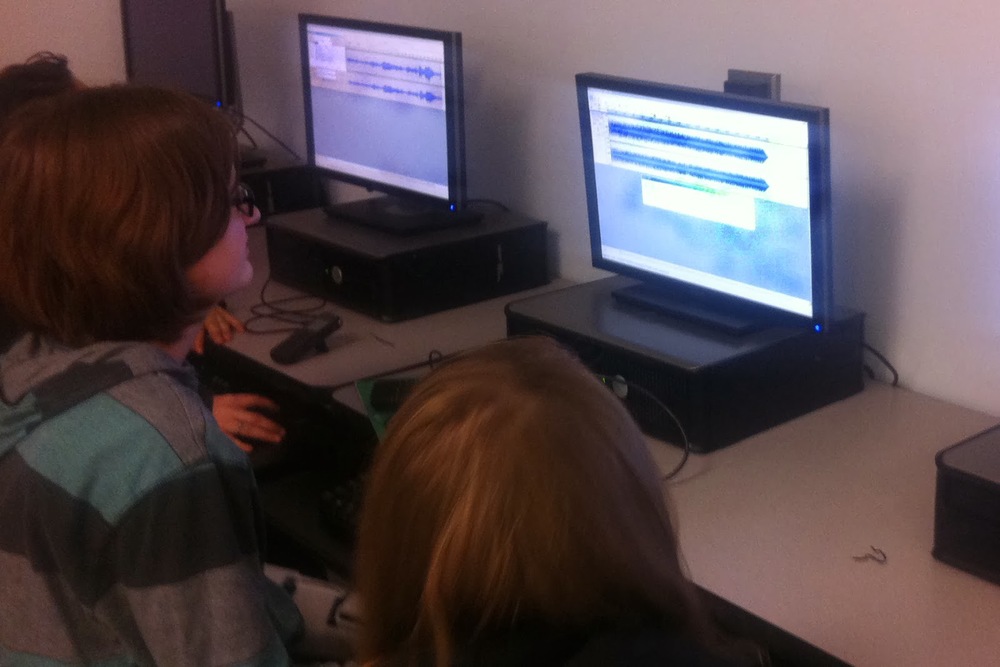
Students at Indian River High School practice uploading audio files.
Better Radio kicked off yesterday with a betterArts visit to journalism students at Indian River High School in Philadelphia, N.Y.

Those students—armed with a tapestry of interests ranging from sports to singing—will utilize technology provided by betterArts to create audio files, podcasts, and music tracks that will then be broadcast on-air, online, and via the students' school newspaper, Warrior Ink.

Zach Anderson, newspaper adviser and member of the English department at IRHS, invited board members from betterArts in to speak with his journalism students about the non-profit's New Media project.

During class, reps from betterArts introduced students to these recorders:
Sony digital voice recorder, left, and AGPtek 4GB rechargeable digital sound voice recorder.
After playing with the record, playback, stop, start, and file-browsing options, students were walked through the process of uploading sound files to their computers. Over the course of the next few weeks, the teenagers will record stories or performances of their choice; and betterArts will return to go over sound editing, podcast creation, and posting audio files on the Internet.

The content will be featured here on our blog, and on Warrior Ink—which is produced entirely online by its IRHS student reporters. Once betterArts is broadcasting live on FM radio, selections from these students' work will also be played on-air.
Warrior Ink is the official student newspaper of Indian River High School, Philadelphia New York, and has been published exclusively online since Fall 2012.  We are dedicated student journalists bringing you all the news we can, roughly twice a month.  All content featured is written and edited by IRHS students, except photos where noted. - See more at: http://warriorink.org/about/#sthash.5rRnwx4D.dpuf
Students get acquainted with tiny digital voice recorders yesterday in Philadelphia, N.Y.
Scott Smith, left, and Mike Brown work with students to upload audio files.
Check out the amazing work of these students on their student newspaper website here. For more information on Better Radio and to become a partner or sponsor, visit www.betterarts.org/better-radio. Many thanks to Best Buy Children's Foundation for making this project possible.
1 Comment

Nicole Caldwell

Nicole Caldwell is a self-taught environmentalist, green-living savant and sustainability educator with more than a decade of professional writing experience. She is also the co-founder of Better Farm and president of betterArts. Nicole’s work has been featured in Mother Earth News, Reader’s Digest, Time Out New York, and many other publications. Her first book, Better: The Everyday Art of Sustainable Living, is due out this July through New Society Publishers.

Better Farm's First-Ever CSA Program

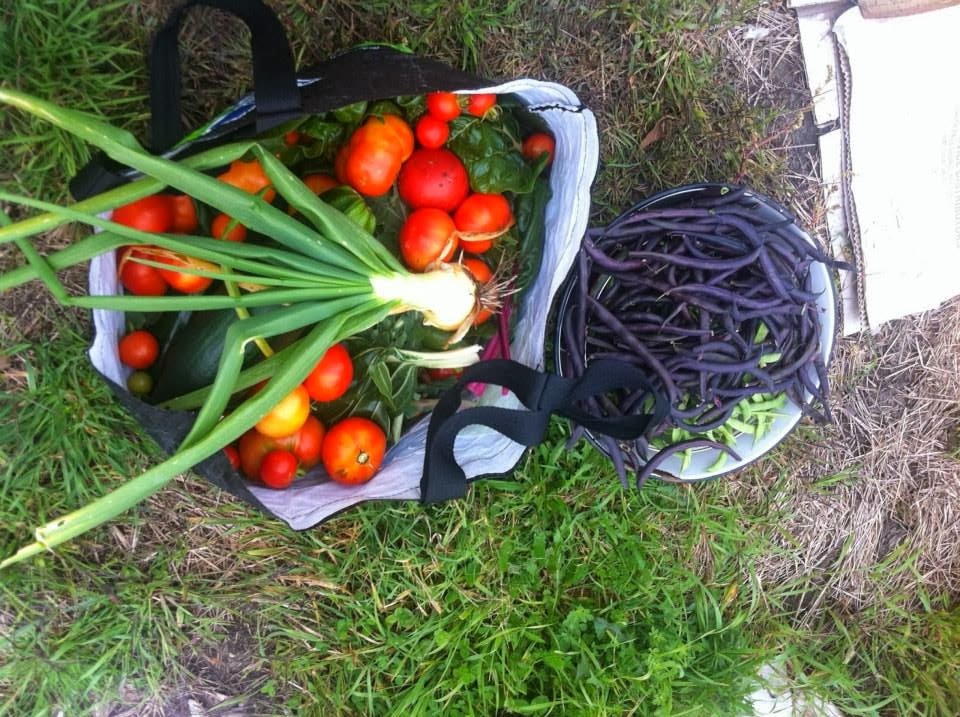
An afternoon harvest from last fall.
Better Farm' s Community-Supported Agriculture program is designed to bring individuals and families living locally weekly shares of fresh produce from Better Farm's gardens at extremely affordable rates.

Community-Supported Agriculture, or CSAs, allow individuals or families to have direct access to high-quality, fresh produce grown locally. When you join a CSA, you're buying a “share” of produce from a particular farm or group of farms. Better Farm's CSA runs weekly from May 1 through the end of November, about 31 weeks. CSA members can visit Better Farm on a weekly basis to pick up their shares of produce. CSA members pay for the entire season of produce up-front. This early bulk payment allows Better Farm to plan for the season, purchase garden supplies and seeds to ensure a productive yield, and more.

Weekly share amounts fluctuate in accordance with what is in-season. In May, a share may only consist of some salad greens and asparagus; while a share in October will include artichokes, tomatoes, greens, herbs, Swiss chard, potatoes, flowers, pumpkins, leeks, and much much more.

Typically, seasonal CSA costs are between $400 and $600 for an individual. Because Better Farm's goal is to increase access to delicious, organic, healthy food, the first year of this CSA program is available at rock-bottom rates:

These rates represent a a full 31-week program:
  • $250/individual (roughly $8/week)
  • $450/couple (roughly $14.50/week)
  • $800/family of four (roughly $25/week)
CSA members will be notified of additional add-on opportunities (meat, eggs, cheese, soaps, baked goods, etc.) should these become available throughout the season; and may opt in to hear about food-related activities held at Better Farm throughout the year (supper clubs, farm-to-table events, workshops).

Click here for a list of the organic produce we are growing at Better Farm in 2014. Please note that this does not necessarily indicate produce you will receive (in some cases, certain plants do better than others based on weather, pests, etc.).

If you would like to sign up for Better Farm's CSA, send an email to info@betterfarm.org with the below information and we will bill you through Paypal (additional Paypal fees will apply). Or, you can print out the below form and mail it us along with a check made out to Better Farm. Those of you with special scheduling needs may contact us for a prorated CSA plan.

Mail to: Better Farm CSA Program, 31060 Cottage Hill Road, Redwood NY, 13679.

Name: ___________________________________________

Address: _________________________________________

Phone Number: ___________________________________

Email: __________________________________________

CSA Membership Level (About 31 weeks starting May 1):   
  • ______$100 Summer Weekender (weekends only June 1-Sept. 1)
  • _____  $150 Weekender (weekends only May 1-mid-November
  • ______$250/individual (roughly $8/week) 
  • _____$450/couple (roughly $14.50/week) 
  • _____$800/family of four (roughly $25/week)
Preferred Day for Weekly Pickup: _________________
Comment

Nicole Caldwell

Nicole Caldwell is a self-taught environmentalist, green-living savant and sustainability educator with more than a decade of professional writing experience. She is also the co-founder of Better Farm and president of betterArts. Nicole’s work has been featured in Mother Earth News, Reader’s Digest, Time Out New York, and many other publications. Her first book, Better: The Everyday Art of Sustainable Living, is due out this July through New Society Publishers.